


Wax Melts vs Candles: Which One Fits Your Home?

Candles win on ambiance, gifting and the pleasure of a real flame. Wax melts win on flame-free scent you can adjust, and often on how far a bit of wax stretches. Neither is “better” across the board. The right pick depends on the room, who lives in your home, and whether you want a flicker or just a fragrance. Below, we compare them on scent, safety, cost and use, then show how to choose.
TL;DR
- Scent: wax melts typically give a stronger, longer-lasting scent, while a candle fills a room faster once lit.
- Safety: melts and warmers remove the open flame, but hot wax can still burn and warmers need stable surfaces. Candles need attention, space and a clear spot away from anything flammable.
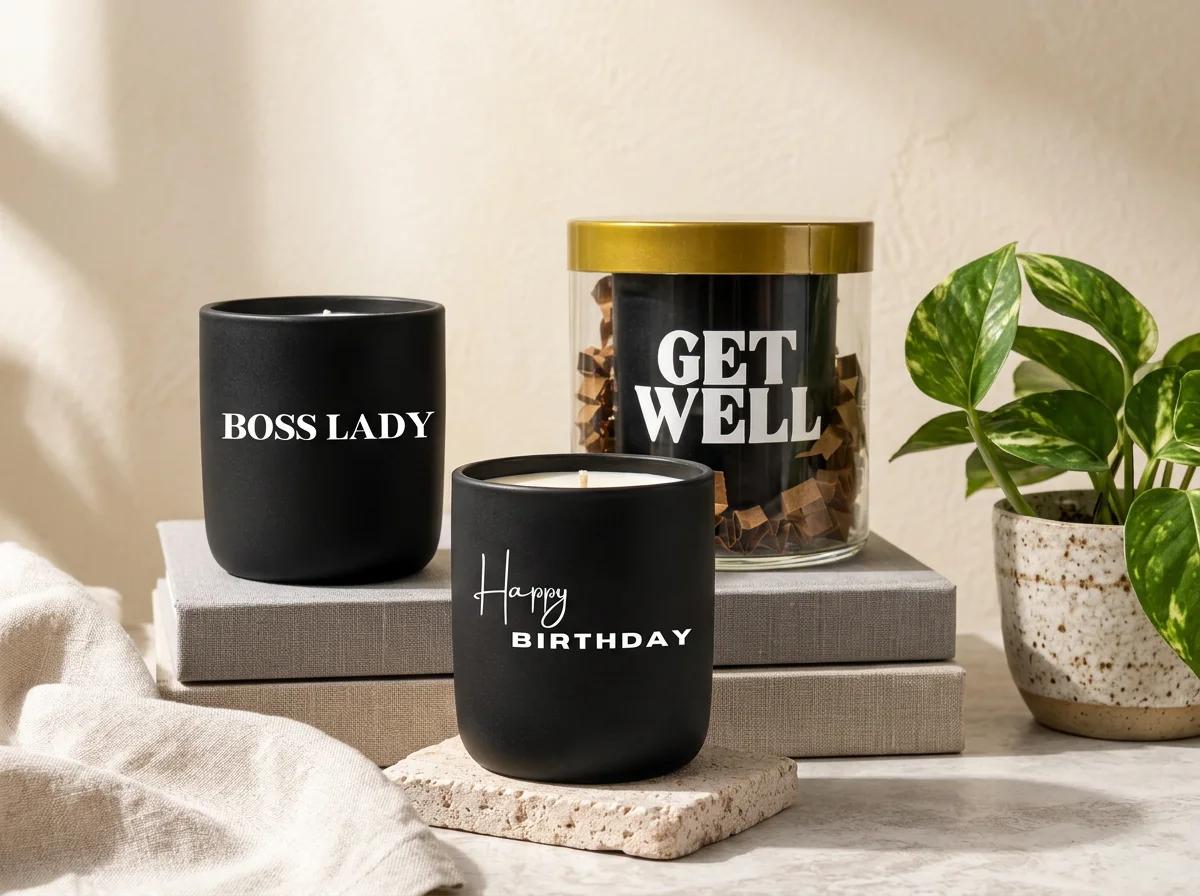
- Ambiance and gifting: a candle gives you light, a label you can personalize and a keepsake. A melt gives you scent alone.
- Best of both: many households use melts for everyday scent and a candle for evenings, dinners and gifts.
Table of Contents
- What actually separates a candle from a wax melt
- Scent strength and how long it lasts
- Is one healthier? What the research says
- Fire safety: flame vs warmer
- Pets and small households
- Cost, convenience and flexibility
- Can you turn one into the other?
- How to choose: a quick decision guide
- Our perspective
- Give a candle that says something
- Care tips that make either one last
- FAQ
- Sources
What actually separates a candle from a wax melt
The difference is the wick. A candle is wax around a central wick that you light. A wax melt is a wickless piece of scented wax that you warm in a separate device. A UK local council’s consumer-protection pack defines a candle as wax with a central wick lit to produce light, and a wax melt as a completely wickless piece melted in a warmer.
That one design choice drives almost everything else you will notice at home:
- A candle burns its own wax. The flame melts a small pool, the wick draws it up, and the heat vaporizes it. The flame itself also helps spread fragrance into the room.
- A melt is heated from outside. An electric warmer, or a tea light warmer, softens the wax gently. The wax stays in the dish while the fragrance oil slowly evaporates, so a melt eventually goes faint even though the wax looks unchanged.
The heat source is why the two feel so different. A flame is hotter and more dramatic. A warmer is lower and steadier.
Scent strength and how long it lasts
This is the question most people are really asking, and the honest answer has two parts: how fast the scent arrives, and how long it stays.
Speed. A lit candle usually announces itself within the first half hour. The flame heats the wax pool quickly and moves fragrance around the room. A warmer takes a little longer to get going, then settles into a steady output.
Staying power. Because the heat is lower, the fragrance oil in a melt evaporates more slowly. One mainstream lifestyle publication notes that wax melts typically have a stronger throw and a longer-lasting scent, and that lower heat means more time between wax refills.
Why melts can be stronger. With no wick in the way, a maker can pack a melt with more fragrance, and you control intensity yourself: more wax in the dish, stronger scent; less wax, softer scent. A candle has no such dial. Once it is lit, the burn is the burn.
Where candles can disappoint. A candle’s scent depends heavily on the wick size, the wax and how the fragrance is blended. A poorly matched wick can make even a well-scented candle seem faint. If that is your experience, our guide to fixing candle scent throw explains what to check, from wick choice to burn time.
| Scent factor | Candle | Wax melt |
|---|---|---|
| How fast scent arrives | Quick, once the wax pool forms | A bit slower, then steady |
| Strength you can control | Limited once lit | Change the amount of wax |
| Longevity of scent | Ends when you snuff the flame | Fades as the oil evaporates |
| Best for | Evenings, dinners, small rooms | All-day background scent, larger rooms |
Is one healthier? What the research says
Both are scented products, and both release volatile compounds into your air. Neither is a health product. Here is what the evidence shows.
A 2024 US study measuring emissions in real time found that both scented candles and wax warmers released monoterpenes, with much higher monoterpene emission factors for warmers and melts than for candles. In plain terms, a melt can put more fragrance compounds into the air than a candle, which fits with it smelling stronger.
Candles add their own burden. A 2024 review notes that burning scented candles emits combustion by-products, VOCs and particulate matter, linked to respiratory symptoms, asthma exacerbations and allergic rhinitis. That is why people sensitive to soot or smoke sometimes lean toward a warmer.
So the fair summary is that a flame adds combustion by-products, while a melt can deliver more fragrance compounds. Neither wins on air alone. What you can control is the quality of what you buy and how you use it:
- Choose ingredients carefully. The same review suggests choosing candles from natural, non-toxic materials with natural essential oils, which have smaller environmental footprints than those relying on synthetic fragrances.
- Ventilate. Open a window before and after, and keep burns and warm-ups to sensible lengths.
- Read labels. Our piece on what “clean fragrance” labels really mean and our overview of whether candles are toxic will help you read them. For ventilation habits, see eco-friendly home fragrance that is safe for pets and kids.
If you are pregnant, have asthma, or have a respiratory or allergy condition, ask your doctor before adding any fragranced product to daily life. Our article on short burns and candles during pregnancy covers what we know, but your own clinician knows your situation.
Fire safety: flame vs warmer
The most concrete safety gap is fire risk, and the United States has solid numbers for candles. The National Fire Protection Association reports that US fire departments respond to an average of 7,610 home fires started by candles each year, and that six in ten of those began when something flammable, such as furniture, bedding, curtains or decorations, was too close to the flame. Sixteen percent involved candles left unattended or abandoned.
The NFPA’s 2026 safety messages say to keep candles at least 12 inches from anything that can burn, never leave them unattended, and consider battery-operated flameless candles as a safer alternative.
Melts remove the open flame, but not every risk:
- Hot wax can burn. Dishes and warmers get hot to the touch, and spilled melted wax can scald.
- Use the right device. A UK fire and rescue service advises that wax melters should be designed for wax, placed on stable surfaces, and not heated for more than four hours at a time. That is UK guidance, but the logic about overheating applies anywhere.
- Mind the cord and the shelf. Keep warmers where a pet’s tail, a toddler’s hand or a tugged cord will not reach them.
For candles, a few habits cover most of the risk: trim the wick, burn on a heat-safe surface, keep a clear zone around the jar, and extinguish before you leave the room or go to sleep. Our candle care guide walks through all of it.
Pets and small households
Pet owners ask this more than almost anything else. A flame can be knocked over by a swishing tail, and a warmer can be tugged by the cord. Both put fragrance in the air that a small animal breathes at close range.
Basic habits help in either case:
- Place anything hot on a high, stable surface your pet cannot reach.
- Ventilate the room after use, and keep birds and small animals like hamsters well away from fragrance, since their airways are especially sensitive. A pet-care resource recommends airing out rooms after using scented candles and keeping candles away from small animals.
- Check what is in the product. Ingredient transparency matters more than the format.
We built our candles around that last point: phthalate-free fragrances and lead-free wicks, hand-poured in soy. If you have a cat, our guide to soy, phthalate-free and lead-free candles for cat owners goes deeper, and pet odor candle ideas shows how to freshen a home without overdoing it. For anything specific about your pet’s health or a diagnosed condition, your veterinarian is the one to ask.
Cost, convenience and flexibility
This is where claims get loud and evidence gets thin, so treat any “melts are seven times cheaper” headline with caution. Prices vary by brand, wax and size, and a candle’s cost per hour depends on burn time and quality. What you can do is run the math with your own numbers.
A simple way to compare:
- Take the price of the candle and divide by its stated burn hours. That is your cost per hour of flame.
- Take the price of a pack of melts and divide by the hours each melt lasts in your warmer. Add the warmer, a one-time cost.
- Compare, then factor in what you value beyond scent: light, look, gifting.
Melts often come out ahead on pure cost per hour of scent, especially if you scent a large space most of the day. Candles come out ahead when the experience is the point, and when the candle itself is the gift or a piece of decor.
Convenience, in practice:
| Factor | Candle | Wax melt |
|---|---|---|
| Setup | Light and go | Plug in or light a tea light under a warmer |
| Switching scents | Needs a new candle | Swap the wax, rinse the dish |
| Intensity control | Wick trimming, burn time | Amount of wax, warmer temperature |
| Leaving the room | Extinguish first | Unplug, and mind the hours |
| Ambiance | Flame, glow, ritual | Subtle, mostly scent |
| Gifting | Personalizable, keepsake-ready | Pretty, but less personal |
| Storage | Keep out of heat and sun | Keep cool, sealed |
One more flexibility point: melts let you blend. Two cubes of different scents in one dish is a cheap experiment. Candles are more of a commitment, which is why it pays to choose scents by room, mood and memory before you buy.
Can you turn one into the other?
People ask this often, and the short answer is: sometimes, with caveats. Leftover candle wax can be scooped into a warmer and melted, though the scent will be whatever is left in it. Going the other way is trickier. Waxes made for melts may not suit candles, and soft container-candle wax may not hold its shape as a melt. If you want a melt, buy one made as a melt. If you want a candle, buy a candle made with a properly sized wick. Do not improvise a wick in melt wax.

How to choose: a quick decision guide
Pick a candle if:
- You want light and the ritual of lighting it.
- The purchase is a gift, a favor, or a keepsake.
- You like a scent that builds fast in a small room, like a bathroom or a desk space.
- You want something that looks good on a shelf even when unlit.
Pick wax melts if:
- You want fragrance all day without a flame.
- You like changing scents often.
- You want to control intensity by the amount of wax.
- You are sensitive to smoke or soot.
Use both if:
- You want gentle background scent in a living area and a candle for dinners or movie nights.
- You have a mix of preferences in one household.
A good rule: whichever you choose, start with less than you think you need. You can always add a second cube or a longer burn, but you cannot take the smell back.
Our perspective
We make candles, and we also hand-sculpt wax melts, so we do not think of this as a fight. We think of it as two ways to do different jobs.
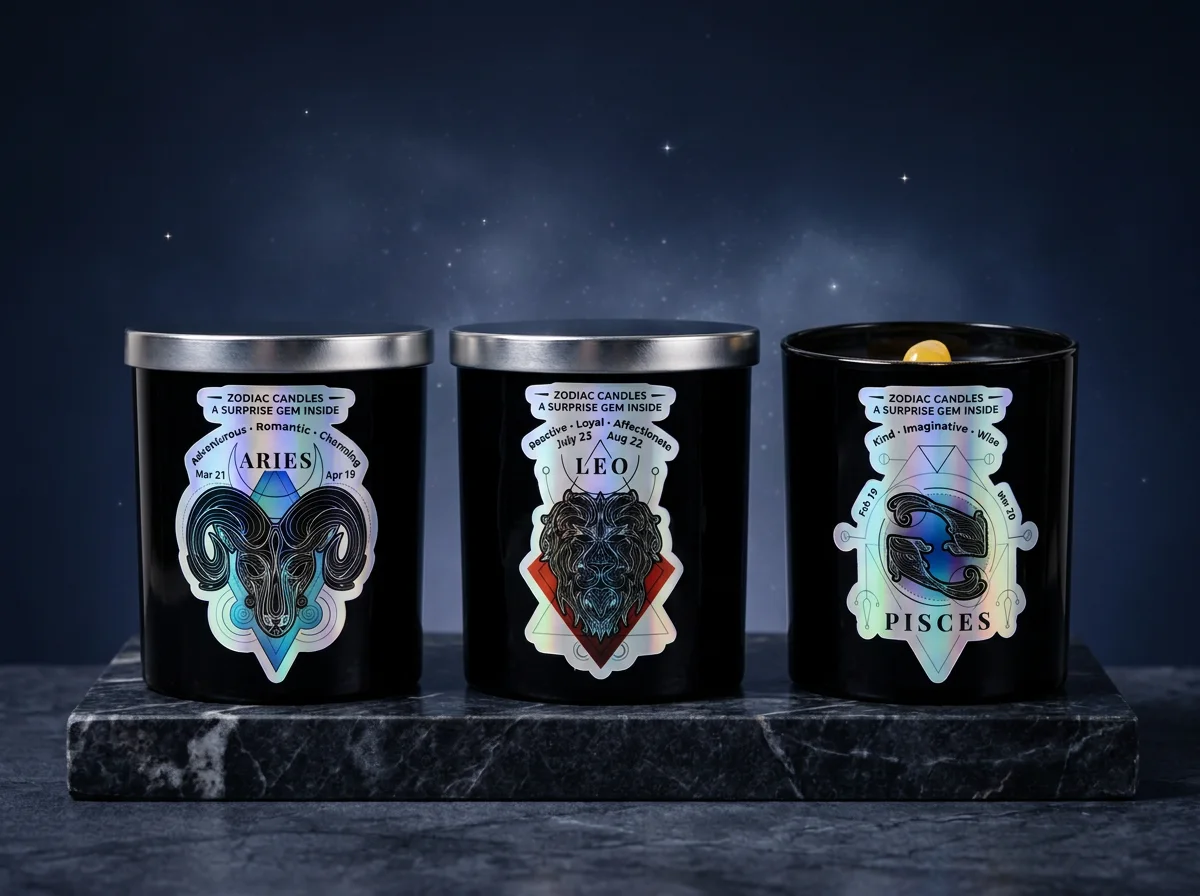
A candle is the better choice when a scent should come with a moment: a photo of the people you love on the jar, a line of text only the recipient will understand, a keepsake box and a handwritten card. Nobody frames a wax melt, but people keep a personalized candle on a shelf long after the wax is gone.
That is why every personalized order is proofed by hand for print and presentation before it ships, and why we use phthalate-free fragrances and lead-free wicks in our soy candles. If you are going to bring something into your home and your pets’ space, you should know what is in it.
Our advice: choose the candle when the object matters as much as the scent. Add melts when you simply want your home to smell good.
Jake
Give a candle that says something
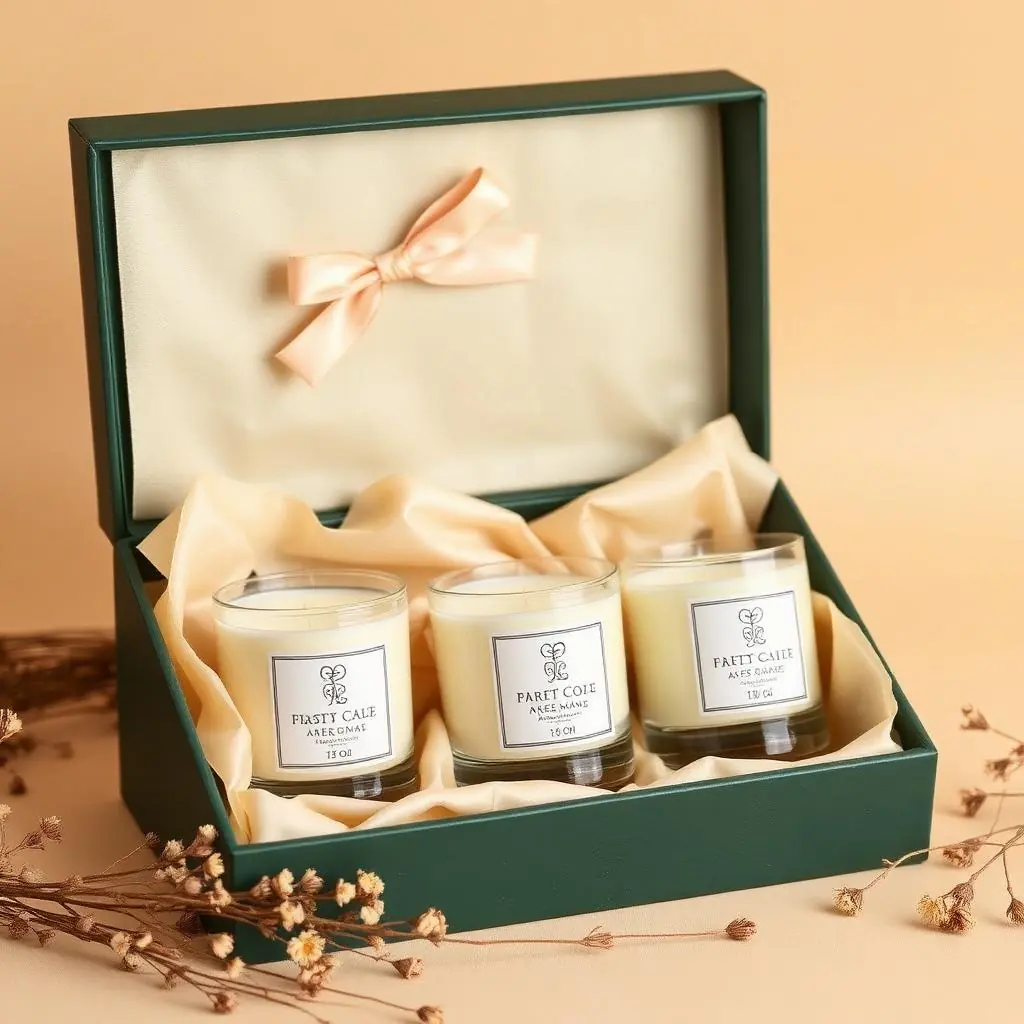
When the goal is a gift, a candle does what a melt cannot. We pour personalized soy candles with your photos and words on the label, proof each one by hand, and ship personalized orders within two days, with keepsake packaging and a handwritten card as standard. Start with our custom candles, or upload a picture to make a photo candle.

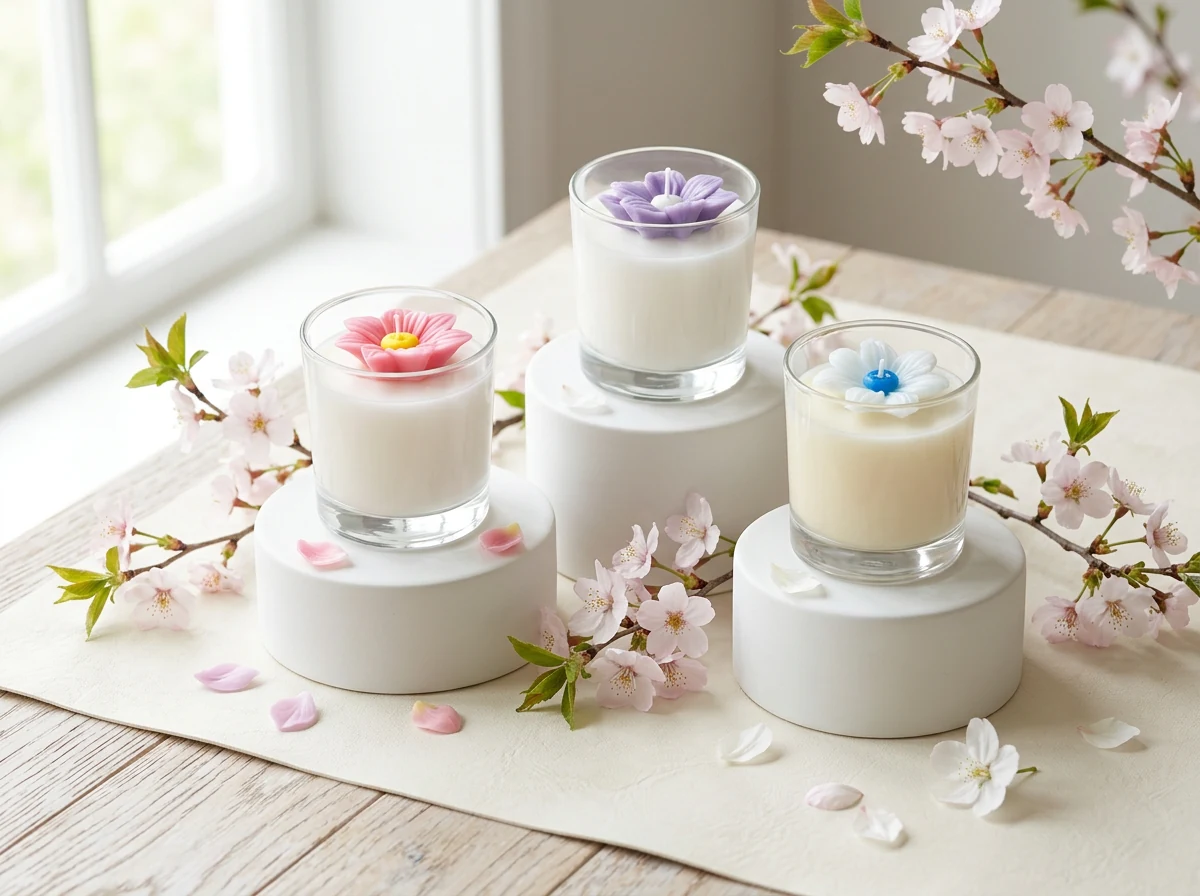
Planning a wedding or a client thank-you? Our gifting page lists wedding favors from $18 per candle, corporate and client gifts from $22 per candle, and boxed gift sets from $48. If you want a scented option without a flame, our wax melt bouquets are on the main shop page.
Care tips that make either one last
A few habits stretch both products and keep them safer.
For candles
- On the first burn, let the wax melt all the way to the edge so the candle does not tunnel.
- Trim the wick before each burn.
- Keep burn sessions moderate and let the wax cool fully before relighting.
- Store candles away from heat. Our note on storing candles as keepsakes explains why heat near 85°F can affect both wax and scent.
For wax melts
- Use a warmer made for wax, on a stable, heat-safe surface.
- Start with a small piece, then add more only if you want more scent.
- Do not run a warmer for long stretches. Follow the manufacturer’s time guidance and unplug when you leave.
- Let the dish cool before you remove old wax.
And for both: crack a window now and then, and stop using any product that gives you headaches, a scratchy throat or itchy eyes.
FAQ
Are wax melts better than candles?
Not across the board. Melts usually give a stronger, longer-lasting scent with no open flame, and you can adjust intensity by changing the amount of wax. Candles give you light, ambiance and a personal keepsake. Choose by what you want from the moment.
What is healthier, wax melts or candles?
Neither is clearly healthier. Research shows candles release combustion by-products and particulate matter, while melts and warmers can emit more fragrance compounds. Ingredient quality, ventilation and moderation matter most. If you have asthma, allergies or are pregnant, ask your doctor first.
Is melting wax safer than burning a candle?
It removes the open flame, which is the main source of candle fires, but hot wax can still burn and warmers need stable surfaces and sensible run times. Keep either one out of reach of pets and children, and never leave candles unattended.
Can I use leftover candle wax as a wax melt?
Yes, you can scoop leftover candle wax into a warmer, though the scent will be weaker and the wax may be soft. Going the other way, from melt to candle, is not a good idea, because melt wax is not designed to hold a wick.
Sources
- Candles, Wax Melts & Reed Diffusers Consumer Protection information pack
- Are Candle Warmers Safe?
- Real-time evaluation of terpene emissions and exposures (Liu, 2024)
- Unveiling risk of the fragrant realm: the health and environmental impact of scented candles
- NFPA: Candle fires
- NFPA Educational Messages, 2026 edition
- Lancashire Fire and Rescue Service: Using candles safely
- How to Enjoy Candles Safely Around Your Pets