



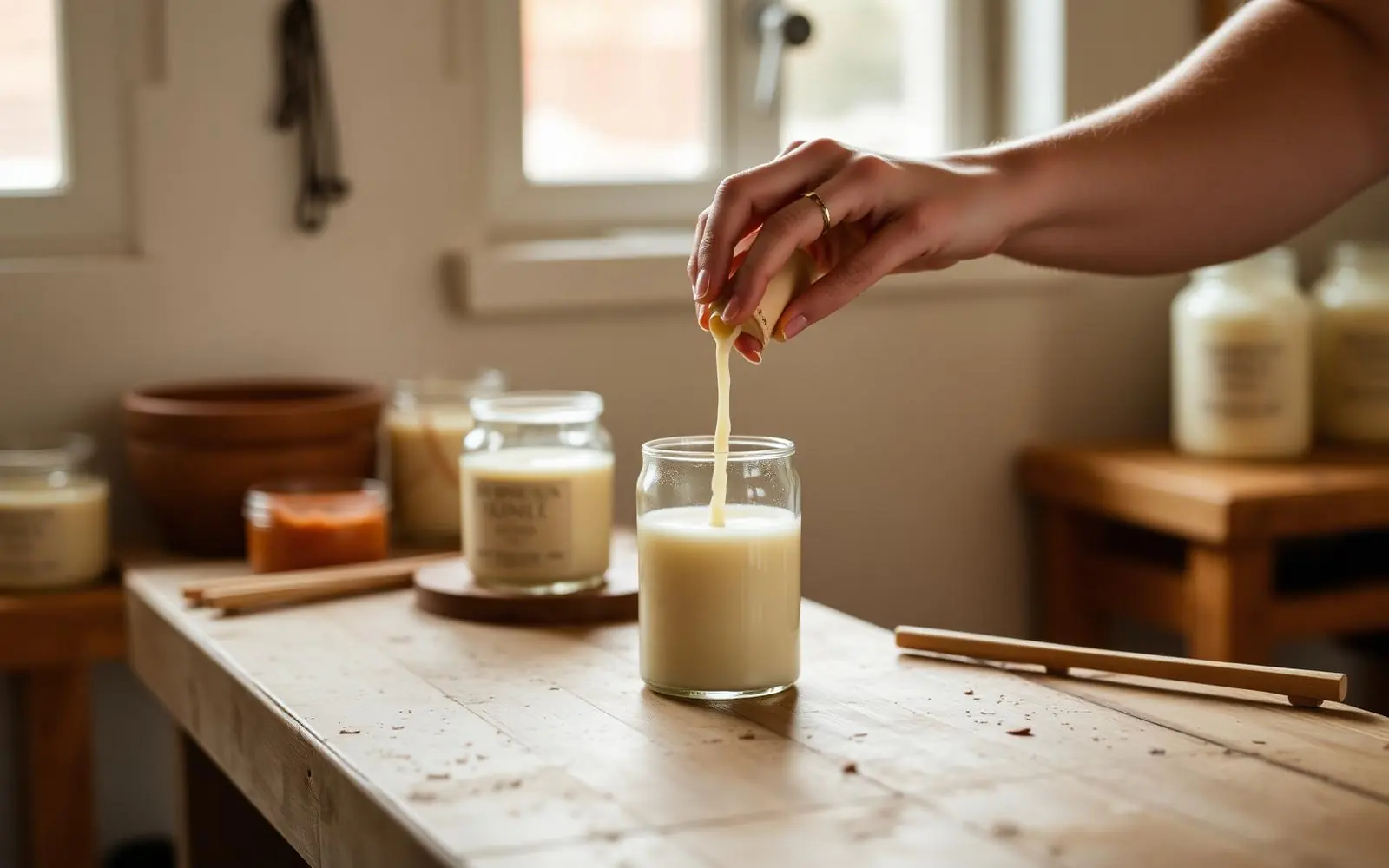
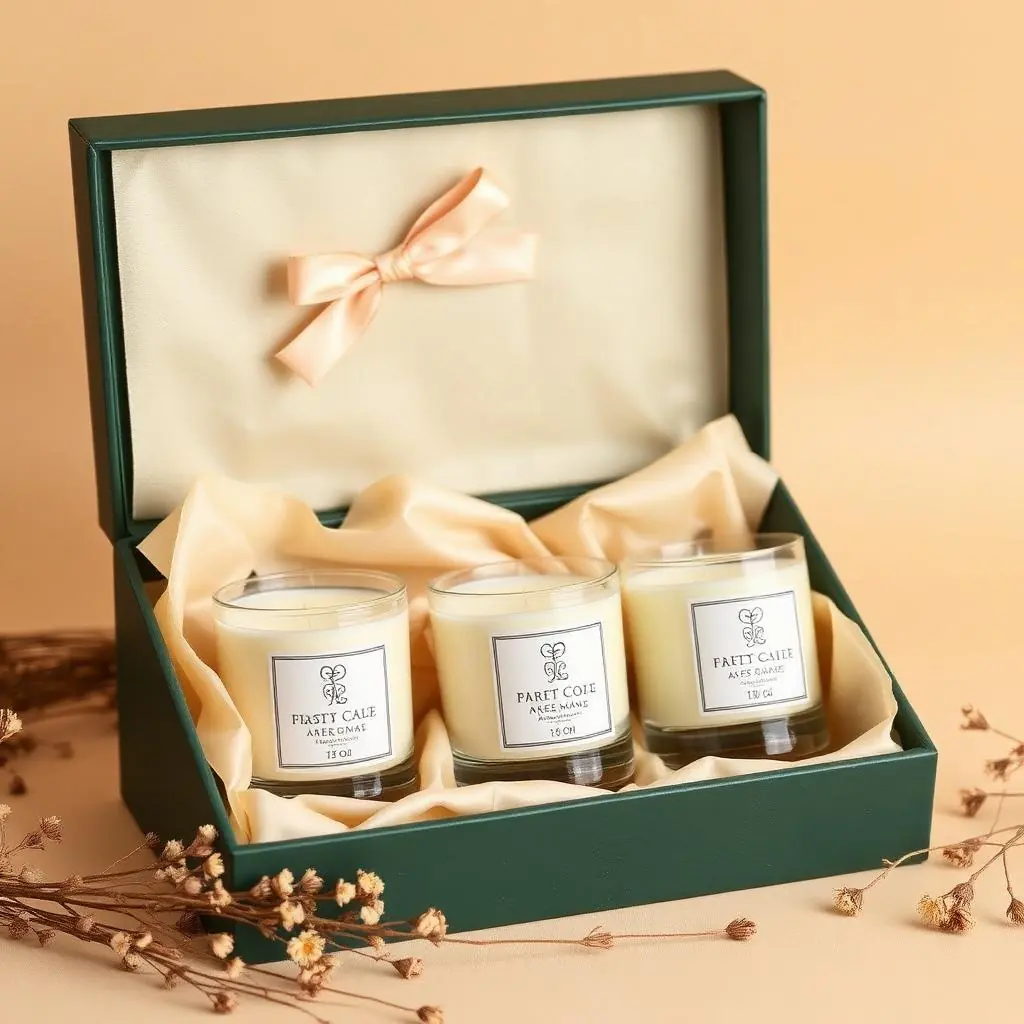
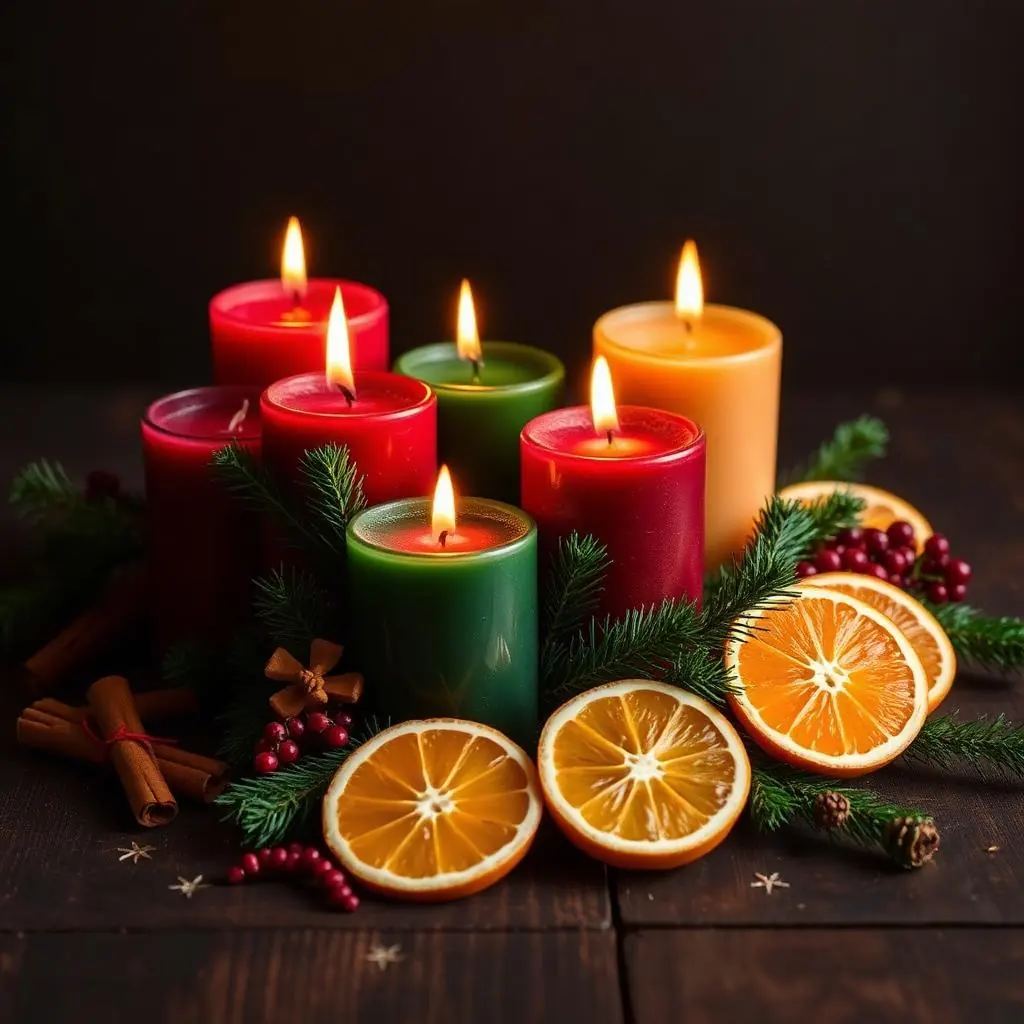
Stop Wasting Candles: Choose Scents by Room, Mood, and Memory

Pick a candle scent by matching the scent family and strength to the room’s function and the mood you want: light, fresh scents for active spaces, and warm, gourmand or woody scents for cozy or social spaces. Test any new fragrance in a small size first, and always follow basic burn safety. The sections below walk through specific room picks, mood pairings, and a simple testing routine.
TL;DR:
- Testing small sample candles before purchasing a full-sized one helps prevent disappointment with scent strength and burn quality.
- Light, fresh scents like citrus or eucalyptus are best for small, steam-prone rooms, while richer fragrances like amber suit larger, social spaces.
- Personal memories linked to a scent can create a stronger emotional impact than following room-matching rules, increasing the likelihood of frequent use.
- Burning candles for more than four hours or leaving half an inch of wax increases soot and reduces safety, so proper wick trimming and ventilation are essential.
- Custom and personalized candles with meaningful scents tend to be used more often and make better gifts than generic options.
Table of Contents
- Scent picks for the living room, bedroom, bathroom, kitchen, and entry
- Matching scent to the mood you want to create
- Understanding scent families and how notes change over time
- How to test and buy without wasting money
- Burn safety and wick care that every candle owner should follow
- Why personalized scent choices stick with people
- What the scent-matching rule gets wrong
- A personalized candle for gifts that actually get used
- Sources
- FAQ
Scent picks for the living room, bedroom, bathroom, kitchen, and entry
Every room has a job to do, and the right candle scent supports that job instead of fighting it. A reading nook wants something calm, while an entryway wants a scent that greets guests without overwhelming them.
- Living room: sandalwood, amber, or fig work well for shared, social spaces, especially at medium to strong intensity since the room is often larger.
- Bedroom: lavender, chamomile, or soft musk suit a space meant for winding down. Keep the intensity light and burn for an hour before bed rather than all night.
- Bathroom: eucalyptus, citrus, or clean cotton scents hold up against steam and need good ventilation since the room is usually small and enclosed.
- Kitchen: go light on food-adjacent scents like vanilla or cinnamon, since strong fragrance can clash with cooking smells. A subtle herbal or citrus note works better near meal prep areas.
- Entry: a welcoming, moderate scent like fresh linen or light floral makes a good first impression without lingering into other rooms.
Smaller rooms like bathrooms need lighter intensity candles or shorter burn times, while open-plan living rooms can handle a stronger throw without feeling heavy.
Matching scent to the mood you want to create
Thinking in terms of feeling rather than room is just as useful, especially if you associate certain scents with specific moments.
- Calm: lavender, chamomile, or sage, burned in the evening in a bedroom or reading chair.
- Energize: citrus, peppermint, or rosemary, placed near a workspace or kitchen in the morning.
- Focus: cedar, eucalyptus, or green tea, kept at a low simmer near a desk.
- Cozy: vanilla, amber, or spiced apple, best for evenings and gatherings in the living room.
- Nostalgia: whatever scent ties to a specific memory, such as a grandparent’s garden or a holiday kitchen.
Scent connects to memory more strongly than most senses because of how the brain processes emotional experiences. A peer-reviewed review on emotional memory explains that emotional arousal strengthens episodic memory through the amygdala and hippocampus, which is part of why a single whiff of something familiar can pull up a vivid memory years later.
Scent-linked memories tend to be unusually vivid because the brain regions that process emotion and memory work together during encoding, according to the same review. That is one reason a candle tied to a specific photo or phrase can feel more meaningful than a generic one.

Understanding scent families and how notes change over time
Candle descriptions often use terms that mean little without context. Knowing the basic vocabulary makes shopping faster and reduces guesswork.
- Floral (rose, jasmine, peony): soft and romantic, often used in bedrooms or gift candles.
- Citrus (lemon, bergamot, orange): bright and energizing, suited to kitchens and mornings.
- Woody (sandalwood, cedar, vetiver): grounding and warm, good for living rooms and offices.
- Gourmand (vanilla, caramel, baked goods): comforting and cozy, best for social evenings.
- Fresh (linen, rain, cotton): clean and neutral, a safe choice for entries and bathrooms.
Most candles are built in layers. The top note is what you smell first and fades quickest, the middle note (or heart) emerges once the wax warms, and the base note lingers longest and anchors the scent. A candle described as having citrus top notes with a vanilla base will smell bright at first and settle into something warmer as it burns. For throw, a larger jar with more wax surface generally projects scent further, so match vessel size to the room instead of assuming a small candle will fill a large space.
How to test and buy without wasting money
A little testing up front saves you from a candle that smells great cold and underwhelms once lit.
- Start with sample sets or small tins before committing to a full-size candle in a new scent.
- Use a simple jar test: seal a lit or warmed sample in a closed space for a short time to get a sense of the hot throw before buying more.
- Check labels for phthalate-free fragrance claims, wick material, and printed burn instructions.
- Light one new scent at a time in a specific room so you can judge it fairly without other fragrances interfering.
Pro Tip: Keep a short scent journal, noting which fragrances worked in which rooms and seasons, so you build a personal reference instead of relying on memory alone.
Burn safety and wick care that every candle owner should follow
Good scent choices mean little if the candle is not burned safely. The National Candle Association notes that fragrance safety comes down to IFRA compliance and concentration rather than whether an ingredient is natural or synthetic, and that well-made candles burn cleanly when used as instructed.
- Follow the manufacturer’s printed burn instructions every time.
- Trim the wick to about a quarter inch before each burn, since sooting is usually caused by drafts or an overly long wick rather than the wax or fragrance itself, according to candle label guidance.
- Burn in a ventilated room, especially around pets or anyone sensitive to fragrance.
Do not burn a candle longer than four hours at a stretch, and discard it once about half an inch of wax remains, per National Candle Association guidance. For more on how fragrance regulation works, the IFRA explainer from Rook Perfumes breaks down why certain ingredients get restricted.
Why personalized scent choices stick with people
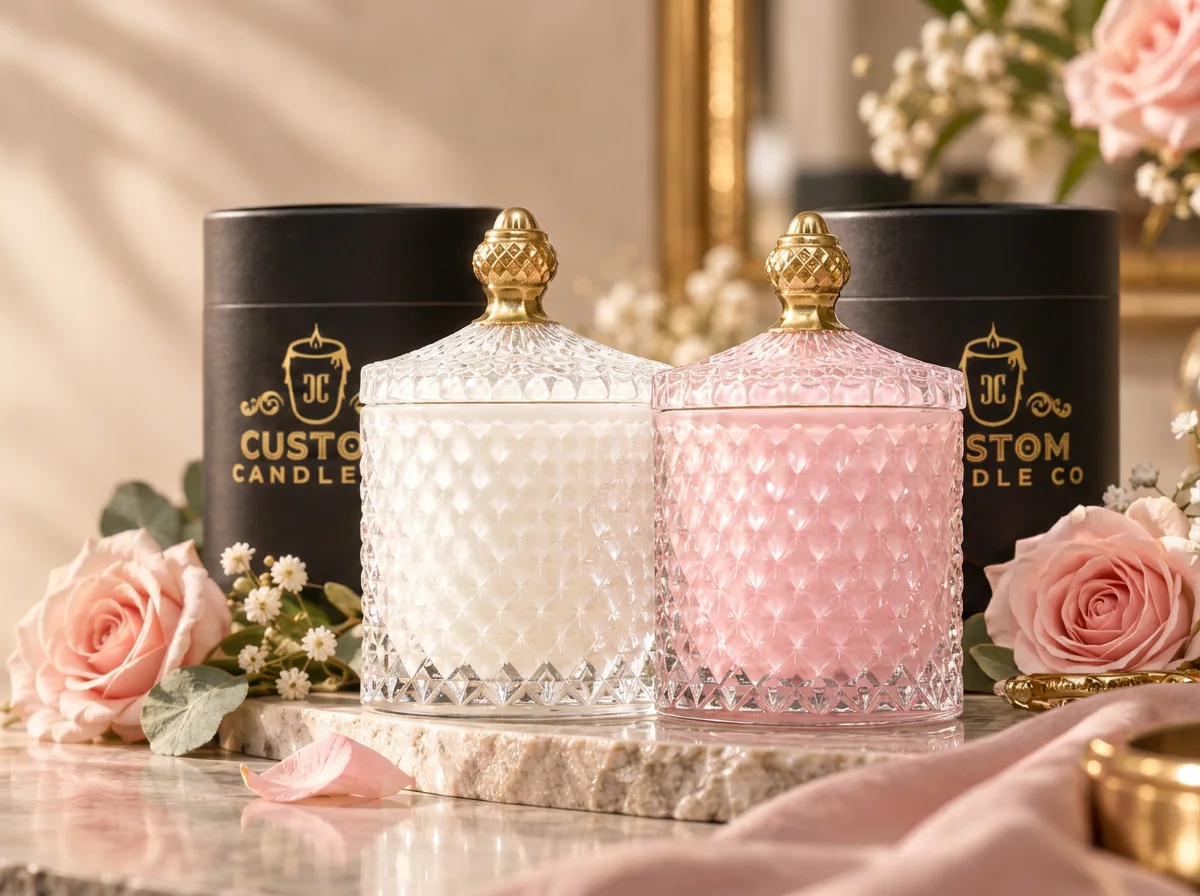
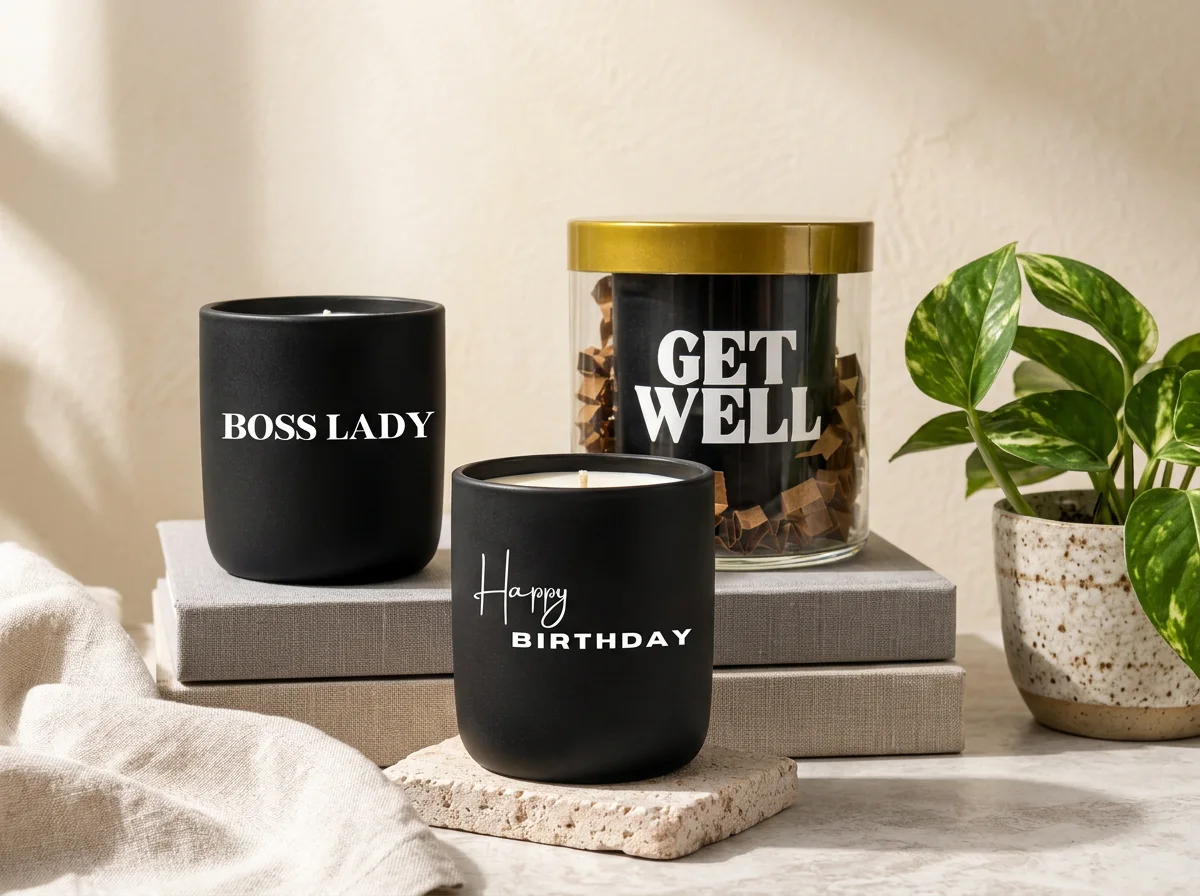
Choosing a scent tied to a specific person, place, or memory tends to create a stronger emotional pull than picking one off a generic list. Custom Candle Co. builds on that by letting customers pair a chosen fragrance with a photo or custom text, using phthalate-free fragrances and lead-free wicks and a hand-proofing process before anything ships. That combination of personal meaning and consistent quality is worth considering when a scent matters beyond just filling a room.
What the scent-matching rule gets wrong

Most scent guides treat fragrance choice like a formula: pick the right family, match the room, done. That misses something important. The scent that technically “fits” a bathroom or office is often less effective than one with personal meaning, even if it breaks the room-matching rule. A nostalgic scent in the wrong room still beats a generic fresh scent in the right one.
The bigger mistake is buying full-size candles in untested scents. Hot throw changes a fragrance enough that a cold sniff tells you very little, which is why sample testing matters more than brand reputation or review counts. Readers should prioritize building a small rotating scent library over chasing a single “best” fragrance, since moods and seasons shift and one candle rarely covers everything. Start small, test often, and let personal association guide the final call more than any scent chart.
— Jake
A personalized candle for gifts that actually get used
A scent that means something tends to get used more often than one picked at random off a shelf. Some companies allow customers to choose the fragrance, photo, and wording together, aiming for quality through hand-proofing and quick shipping. Start with a small personalized candle before upgrading to wedding favors or corporate gifting.
Sources
FAQ
What is the 30/50/20 rule for candle scents?
This is not a recognized industry or safety standard, and definitions vary widely online. Rather than relying on an unverified ratio, match scent strength to room size and test with a sample before buying a full-size candle.
What is the 4-hour rule for candles?
The National Candle Association advises against burning a candle for longer than four hours at a time and recommends discarding it once about half an inch of wax remains. This limits soot buildup and keeps the burn even.
What are the most popular candle scents?
Commonly favored scents include vanilla, lavender, citrus, eucalyptus, and sandalwood, each suited to different rooms and moods. Vanilla and amber tend to suit cozy social spaces, while citrus and eucalyptus work better in kitchens and bathrooms.
How do I know if a candle fragrance is safe?
Fragrance safety depends on IFRA compliance and concentration rather than whether the scent is labeled natural or synthetic. Checking for phthalate-free labeling and following printed burn instructions are practical ways to reduce risk at home.
Can I choose a custom scent for a personalized candle?
Yes, Custom Candle Co. lets customers pair a chosen fragrance with a photo or custom text on personalized candles, using phthalate-free fragrances and lead-free wicks in every order.