


Clean Fragrance Candles: What the Label Really Means

“Clean fragrance” on a candle is a promise a brand makes, not a standard it has to meet. In the US, no industry body has defined the term, so the useful question is what a specific candle contains and how it burns. This guide shows you what to check on the label, what the research says about wax, wick and scent, and how to burn any candle more safely.
TL;DR
- “Clean” has no official definition, so one brand’s clean candle can differ a lot from another’s. Judge the ingredients, not the word.
- Natural or synthetic is not what decides fragrance safety. Whether a scent suits your household, especially a sensitive one, matters more.
- Testing of well-made candles in major wax types found similar, very low emissions. Wick quality, trimming and ventilation matter as much as wax choice.
- Pet owners should be extra careful. Cats and birds react to essential oils and aerosolized particles more than people do.
- Look for phthalate-free fragrance, lead-free wicks and a maker willing to tell you what is in the candle.
Table of Contents
- What “clean fragrance” actually means
- Natural is not the same as safe
- Does wax type make a candle cleaner?
- What the air-quality research says
- A label checklist for choosing a candle
- Clean fragrance candles and pets
- Our point of view
- Burning any candle more safely
- A personalized candle with the details spelled out
- FAQ
- Sources
What “clean fragrance” actually means
Walk down any candle aisle and you will see clean, non-toxic, pure and natural, often on the same jar. None of these is a regulated claim for candle scent. Industry-side writers note that clean scents have not been defined by IFRA, RIFM or the National Candle Association. Because there is no official definition, each brand can use the term for its own marketing, and the criteria vary from company to company.
That does not make the word meaningless. Many makers use it to signal a few real choices:
- Fragrance free of phthalates, and sometimes parabens
- A plant-based wax such as soy, coconut or beeswax rather than paraffin
- Wicks made without metal cores, or at least without lead
- Fewer additives such as dyes
Treat “clean” as a prompt to ask questions. If a brand cannot say which of those boxes it ticks, the word is decoration.
Natural is not the same as safe
A common assumption is that essential oils are automatically gentler than lab-made fragrance. The National Candle Association says the opposite is more nuanced: candle fragrances may be synthetic or natural, and safety does not depend on whether they come from nature or a lab. The same page notes that a particular fragrance may trigger reactions in sensitive people. It also states that candle fragrance formulas are reviewed against safety standards set by IFRA.
Three practical takeaways:
- A scent is a scent. Citrus, cedar and lavender oils can bother sensitive noses just as a synthetic can.
- Specifics beat adjectives. “Phthalate-free fragrance” is a checkable statement. “Pure and clean” is not.
- Mixed claims need a second look. A “100% natural” candle made with natural wax but synthetic fragrance is misleading. UK trading standards guidance for candlemakers makes this point about labeling that implies natural while using synthetic fragrance. That is a UK document, but the logic of honest labeling travels well.
Does wax type make a candle cleaner?
This is where marketing and measurement part ways. A 2007 study by the Ökometric laboratory in Germany burned paraffin, soy, stearin, palm and beeswax candles. It found that well-made candles of all major wax types burn similarly cleanly, with no discernible health risk under normal use. The same work analyzed emissions for more than 300 chemicals and reported combustion byproducts that were nearly identical in composition and quantity across wax types, well below strict indoor air standards.

Note the qualifier: well-made. The study was published through the candle industry’s own channels, so read it as one data point, not the last word. It still suggests that the bigger levers are craftsmanship and how you burn the candle, not a single wax on the label.
Why do many people still prefer soy or other plant waxes? Reasons include renewable sourcing, a softer throw, and the comfort of avoiding petroleum-derived ingredients. Those are legitimate preferences. They are not the same as a proven health advantage. If you want to go deeper on the wax question, we cover it in our soy vs paraffin test and emissions guide and in what paraffin-free actually means.
What the air-quality research says
A 2021 academic study measured gaseous and particulate emissions from candles and evaluated them against health guidance. In most calculated indoor exposure scenarios, concentrations fell below guidance and reference values. The exceptions in some cases included nitrogen dioxide, acrolein and benzo[a]pyrene. In plain terms: a candle is a small combustion source, and in a small, closed room with heavy burning, a few compounds can approach levels worth paying attention to.
The National Candle Association’s position is that well-made, properly used candles, scented or unscented, are safe when burned in well-ventilated areas. Put those two findings together and the advice is simple and does not depend on any marketing term:
- Burn in a room with some air movement, and crack a window if you burn for a long stretch.
- Keep sessions moderate rather than burning for many hours straight.
- Trim the wick and keep the flame steady, since a flickering, sooty flame is a sign something is off.
Our longer piece, Are Candles Toxic? What the Evidence Says, walks through the same research in more detail.
A label checklist for choosing a candle
Use this before you buy, whatever the brand.
| What to check | What good looks like | Red flag |
|---|---|---|
| Fragrance | Stated as phthalate-free; maker can say whether it is essential oil, synthetic or a blend | Only vague words like “pure” or “clean” |
| Wick | Lead-free, centered, sized to the container | No wick information at all |
| Wax | Named clearly (soy, coconut, beeswax, paraffin blend) | Claims of “100% natural” with no detail |
| Safety warnings | Clear burn instructions printed on or with the candle | No warnings |
| Maker transparency | Answers ingredient questions directly | Silence or a vague reply |
On warnings: UK guidance for candlemakers lists wording such as never leaving a burning candle unattended, keeping it away from things that can catch fire, and keeping it away from children and pets. The same document says hazard labeling is required in the UK when a candle contains hazardous substances, including sensitizers, above set concentrations. Rules differ by country, but those warnings are a sensible baseline wherever you live.
Clean fragrance candles and pets
If you share your home with animals, the “clean” label deserves extra skepticism. The Merck Veterinary Manual notes that cats are more sensitive to essential oils, and birds are particularly sensitive to fragrances and aerosolized particles. It also explains that cats lack an enzyme, glucuronyl transferase, which makes them very sensitive to phenols and phenolic compounds found in some oils.
So a candle scented with essential oils is not automatically the pet-friendly pick. A few habits help:
- Ask the maker which essential oils, if any, are in the candle, and check each against your vet’s guidance.
- Burn in a ventilated room your pet can leave freely.
- Keep birds out of rooms where you burn candles.
- Place candles where tails, paws and curious noses cannot reach them.
- If your pet coughs, drools, hides or seems off, snuff the candle, air out the room and call your veterinarian.
We go deeper in Are Candles Safe for Cats? and soy, phthalate-free, lead-free candles for cat owners. For ventilation habits that help the whole household, see our guide to eco-friendly home fragrance that is safe for pets and kids.
Our point of view
We pour and print candles for a living, so here is how we think about “clean.” We do not claim that any candle is risk-free, and we are wary of any brand that does. What we can do is control the parts we make.
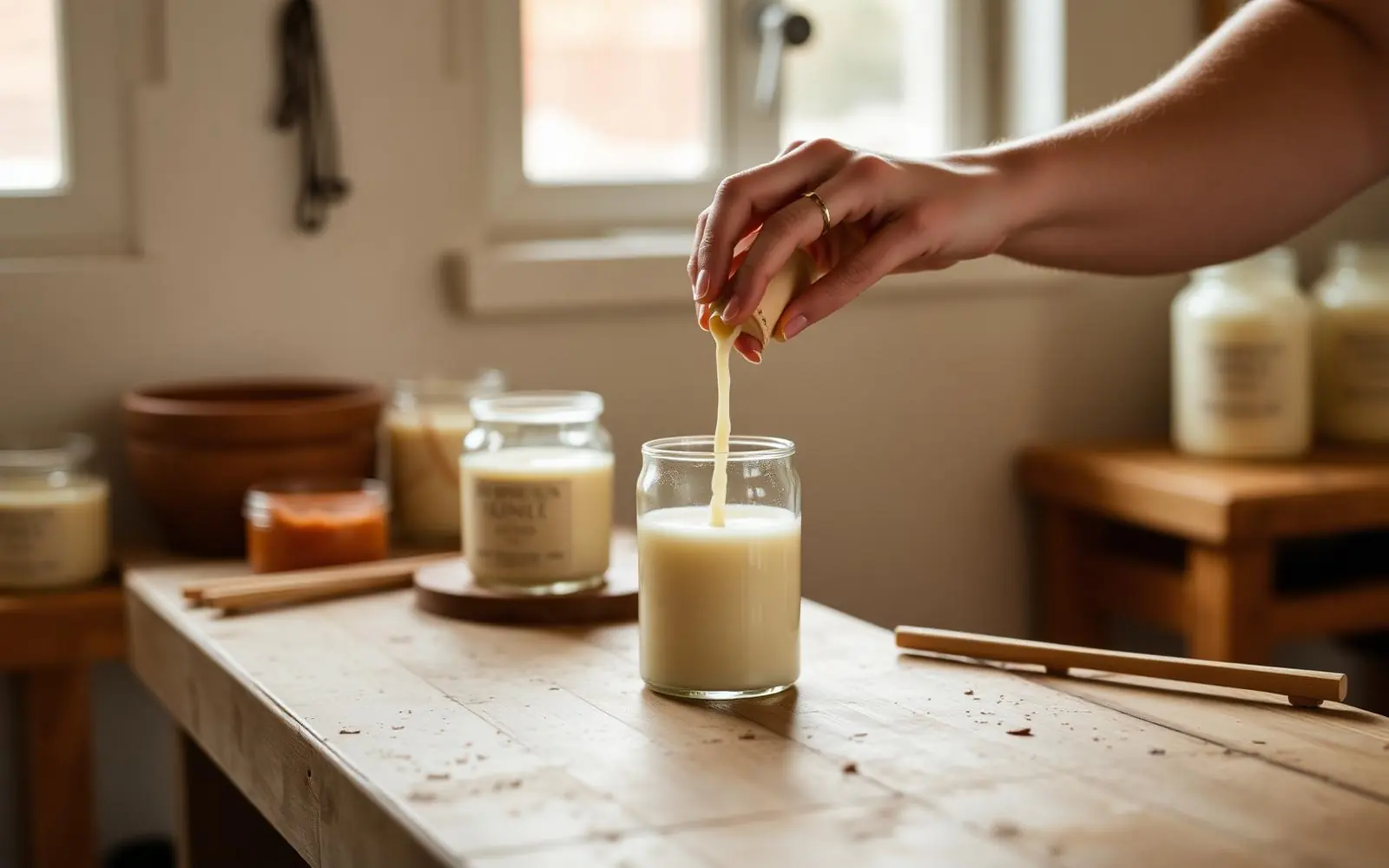
Every candle we make uses phthalate-free fragrance and a lead-free wick. Those are two specific, checkable choices, and we would rather tell you exactly that than lean on a vague word. We hand-pour in soy because we like how it burns and how it holds a scent, not because we think wax type alone makes a candle safe. The research above points the same way: craftsmanship and sensible burning matter more than a single ingredient.

We also proof every personalized order by hand before it ships. That is about print and presentation quality, but it reflects how we work: we look at each candle. For households with pets, we encourage you to ask us about the essential oil content of any scent before you order. We would rather answer ten questions than have you guess.
If a brand, ours included, cannot explain what is in a candle in plain words, keep shopping.
— Jake
Burning any candle more safely
These habits matter more than most labels.
- Do a long first burn. Let the wax melt to the edges so the candle does not tunnel.
- Trim the wick to a short length before each burn.
- Keep it away from drafts and flammables. Never leave a flame unattended.
- Ventilate. Open a window or run a fan in another part of the room.
- Snuff it before the jar gets low. Leave a little wax at the bottom.
- Pause if anyone reacts. Headaches, itchy eyes or coughing mean it is not the right scent for that room or person.
Not sure which scent suits which space? Our guide to choosing candle scents by room, mood and memory can help you narrow it down. And if sustainability is part of your “clean” definition, read what makes a candle eco-friendly.
A personalized candle with the details spelled out
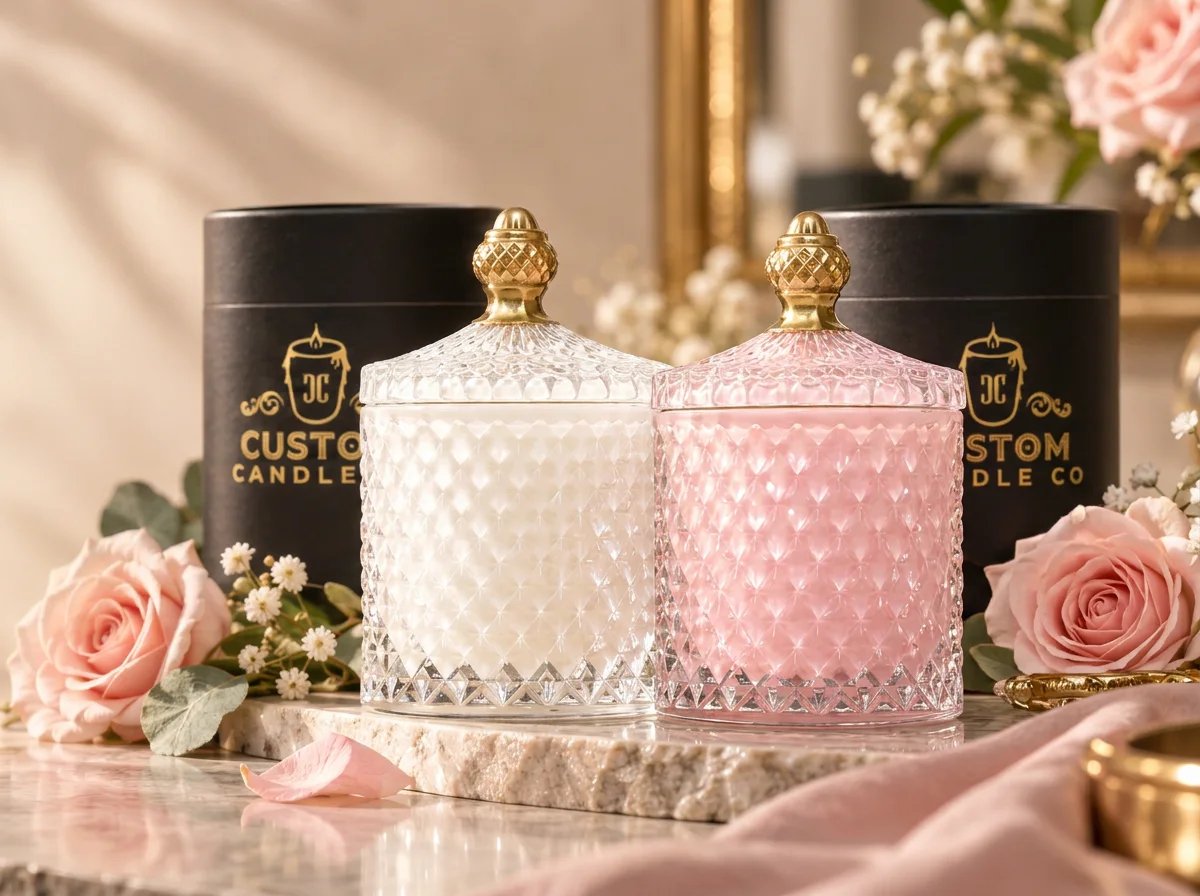
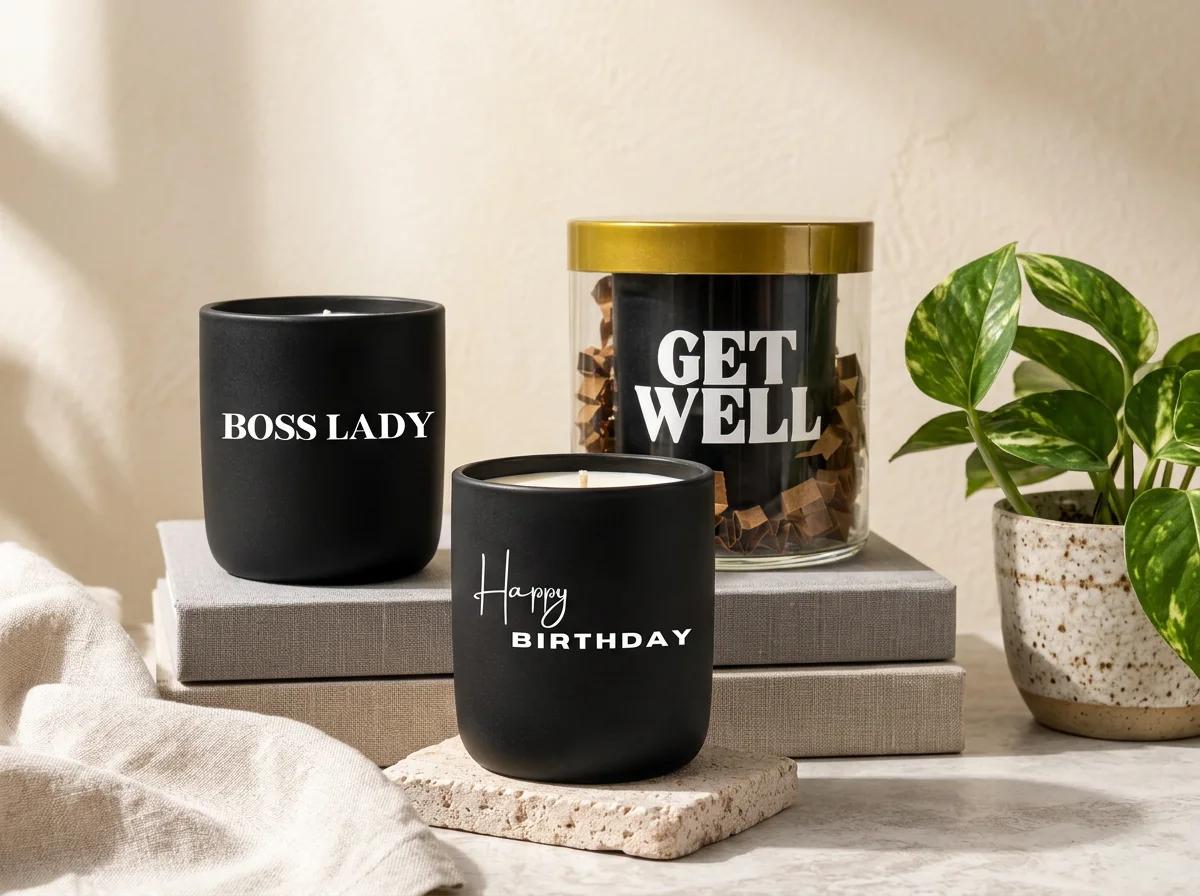
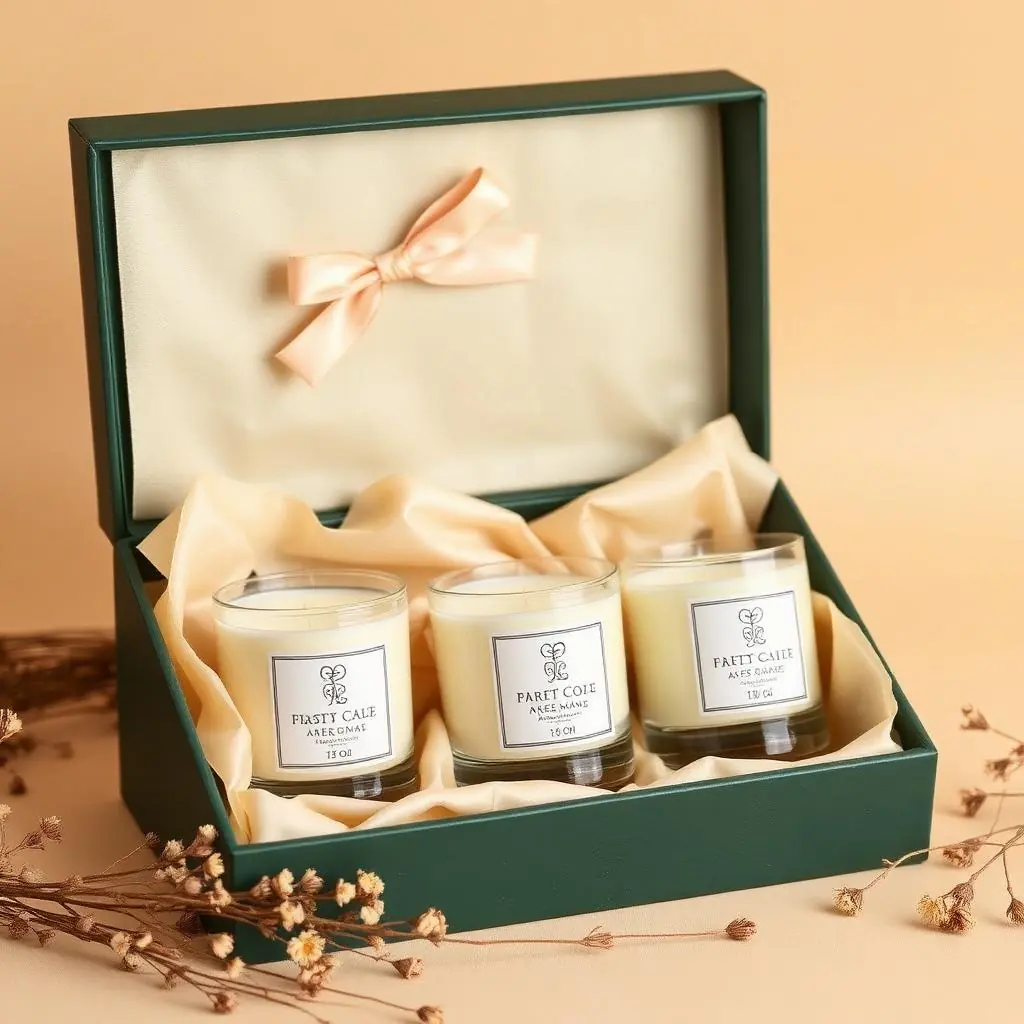
If you want a candle where the materials are plain and the look is yours, our custom candles let you put your own photo or words on a hand-poured soy jar. Personalized orders are proofed by hand and ship within two days, with keepsake packaging and a handwritten card as standard. You can start with photo candles or browse the full range on our home page.
For events and gifting, our gifting page lists wedding favors from $18 per candle, corporate and client gifts from $22 per candle, and boxed gift sets from $48. The same phthalate-free fragrance and lead-free wick standards apply across the range.
FAQ
What is clean fragrance in a candle?
It is a marketing term with no official definition, so it means what each brand decides it means. Most often it signals phthalate-free fragrance and fewer additives. Ask the maker for specifics and judge the answer.
Are clean fragrance candles safer than regular candles?
Not automatically. The National Candle Association says fragrance safety does not depend on whether a scent is natural or synthetic, and that well-made candles are safe in ventilated spaces. A well-made candle that you burn sensibly matters more than the word on the jar.
Are clean candles safe for cats and dogs?
Not necessarily. Veterinary guidance says cats are more sensitive to essential oils and birds react to fragrances and aerosolized particles. Choose scents carefully, ventilate, keep candles out of reach, and talk to your vet if you have concerns.
Is soy wax the cleanest option?
Testing of well-made candles found similar clean-burning behavior across major wax types. Soy is a good choice for many people, but it is not a guarantee. Wick quality, fragrance choice and burn habits all count.
Sources
- What Clean Scents Mean To Us, Deep South Fragrance
- Fragrance Oils: Can They Really Be “Clean”?, Dulceria Candle Supply
- FAQs, National Candle Association
- Candlemakers Advice Pack (2020)
- Candle wax emissions study, Ökometric GmbH
- Measurement and evaluation of gaseous and particulate emissions from candles, 2021
- Toxicoses From Essential Oils in Animals, Merck Veterinary Manual