





30–60 Minute Burns: Safe Candle Choices for Pregnancy

Candles can be part of pregnancy as long as you use them sparingly, choose low-emission materials, and keep the room ventilated. If you want a simpler path, flameless candles remove the guesswork entirely. Either way, skip heavily fragrance paraffin candles and favor short burn sessions in open rooms.
TL;DR:
- Most candles produce brief spikes in particulate matter during extinguishing, with smoldering causing the highest emissions, especially in small or enclosed spaces.
- Choosing soy, beeswax, or coconut waxes, along with cotton or wood wicks, significantly reduces emissions compared to paraffin and metal-core wicks.
- Ventilation and short burn sessions are the most effective ways to reduce exposure, with one candle in a ventilated room being safer than multiple candles in a closed space.
- Flameless LED candles and wax melts are the safest alternatives, as they eliminate combustion byproducts, but diffusers and essential oils require caution and professional guidance during pregnancy.
- Transparent, careful candle makers who use natural ingredients, phthalate-free fragrances, and lead-free wicks provide safer options, especially when asking about ingredient lists before purchase.
Table of Contents
- What the evidence says about candle smoke and scented emissions
- Which wax, wick, and fragrance choices lower your risk
- How to burn a candle more safely while pregnant
- Safer alternatives: flameless options and diffuser cautions
- What a careful candle maker actually does differently
- A thoughtful gift option if you still want to burn a candle
- Sources
- FAQ
What the evidence says about candle smoke and scented emissions
Burning any candle releases fine particulate matter, the tiny soot particles known as PM2.5 that can travel deep into the lungs. The EPA’s testing on candle emissions found that most candles burn cleanly under normal conditions, but smoldering and the moment right after you blow one out can cause short-term spikes in particle levels.
In EPA lab tests, some candles produced brief particulate matter concentration spikes during smoldering and extinguishing events, with notably higher emissions compared with normal burning, according to the EPA’s candle emissions report. That is a brief surge tied to specific moments, not a constant exposure, but it explains why how you put a candle out matters as much as whether you burn one.
Scented candles add another layer. Candles can also release small amounts of volatile organic compounds like toluene and benzene, and the Cleveland Clinic’s explainer on candles and air quality notes that ventilation and higher-quality candles reduce that exposure, with overall risk considered low for most people.
For pregnancy specifically, the guidance leans precautionary rather than alarmist:
- The ACOG committee opinion on prenatal environmental exposure recommends minimizing exposure to environmental toxins, including solvents and phthalates found in some household fragrances.
- Because long-term effects of low-level fragrance exposure are not fully studied, reducing exposure where it is easy to do so is a reasonable, low-cost choice.
- Ventilation, not total avoidance, is the mitigation clinicians emphasize most.
Which wax, wick, and fragrance choices lower your risk
The candle’s ingredients matter more than the fact that it is a candle. A few swaps reduce your exposure without requiring you to give up the ritual entirely.
- Wax: soy, beeswax, and coconut-based waxes tend to burn cleaner than paraffin, which is petroleum-derived and has shown higher emissions in some comparisons of scented candles.
- Wick: pick cotton or certified wood wicks. Metal-core wicks were historically linked to lead contamination, so a lead-free label is worth checking.
- Fragrance: phthalate-free fragrance oils or unscented candles are the safer default. Essential oils are not automatically gentler, since some are flagged for caution in pregnancy.
- Dye: heavily dyed wax tends to correlate with lower-quality blends, so lighter or undyed candles are a reasonable proxy for a cleaner burn.
A buyer’s guide on candle materials from Wick of Hope breaks down wax and wick differences in more depth if you want to compare brands side by side.
Pro Tip: Ask any seller for their fragrance ingredient list before buying. A maker who can answer specifically is usually more careful about what goes into the wax.
How to burn a candle more safely while pregnant
If you decide to burn a candle, a few habits reduce both particle exposure and fire risk.
- Ventilate first. Crack a window or run a fan rather than burning in a closed bathroom or bedroom.
- Keep sessions short. Thirty to sixty minutes is plenty; avoid letting a candle burn for hours unattended.
- Limit how many burn at once. One candle in a ventilated room beats several in a small space.
- Extinguish with a snuffer. Using a snuffer instead of blowing out a candle reduces the smolder-related particle spikes the EPA measured in its testing.
- Trim the wick to a quarter inch before each burn, and stop entirely if you notice heavy soot or visible smoke.
If you have asthma, a respiratory condition, or notice increased nausea around scent, skip burning altogether and ask your clinician for guidance specific to your situation. The mitigation that matters most is airflow, according to Cleveland Clinic’s guidance on candles and air quality, which points to ventilation and candle quality as more effective than avoidance alone for most people.
Safer alternatives: flameless options and diffuser cautions

Flameless LED candles give you the same ambient glow with none of the combustion byproducts, which make them the lowest-risk option if you want to skip the decision-making entirely. Warmed, low-VOC wax melts are another middle ground, since they avoid an open flame while still offering scent.
Diffusers are not automatically safer just because there is no flame. Diffusing concentrates aromatic compounds into the air, and NHS maternity guidance on aromatherapy treats essential oils as potent agents that require caution in pregnancy, flagging oils like clary sage and jasmine for careful use or avoidance without professional guidance.
- Open a window for a few minutes instead of masking odors with scent.
- Wash fabrics and bedding regularly rather than relying on fragrance.
- Use unscented cleaning products where nausea is an issue.
- Try odor absorbers like baking soda instead of scented sprays.
What a careful candle maker actually does differently
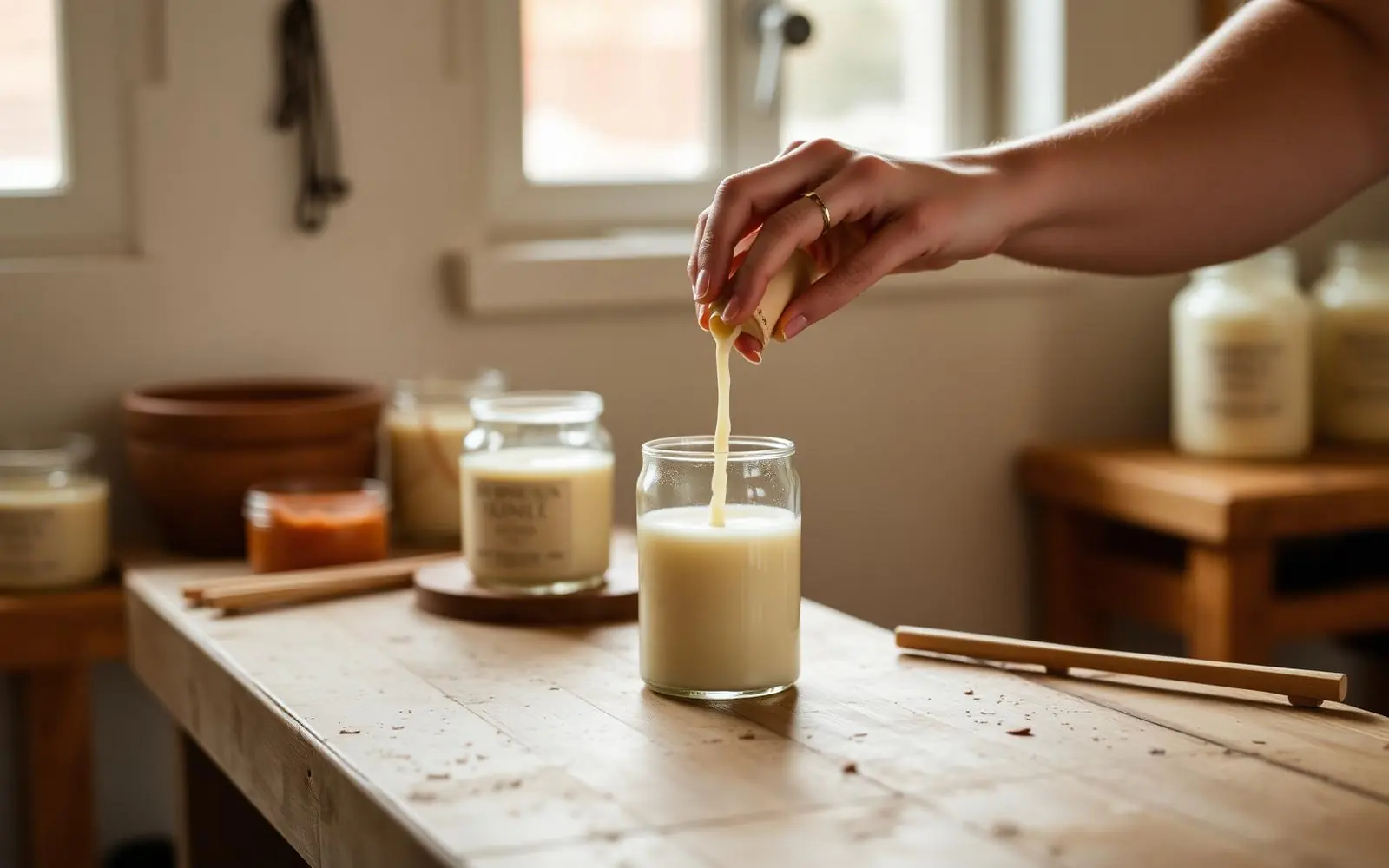
Pregnancy makes ingredient transparency worth asking about, and it shows in how a candle is made. A careful candle maker hand-pours candles in soy wax, uses phthalate-free fragrances, and sources lead-free wicks, with each order hand-proofed before it ships. Those choices map directly onto the lower-risk profile described above: soy over paraffin, phthalate-free scent, and a wick that will not introduce lead into the smoke.
When you’re evaluating any seller, ask four questions: What wax is used? What are the fragrance ingredients? What wick material is in the candle? Is print and packaging proofed before shipping?
— Jake
A thoughtful gift option if you still want to burn a candle
If you’re shopping for a pregnant friend, or for yourself, a personalized soy candle checks the safety boxes this article walks through: soy wax instead of paraffin, phthalate-free fragrance, and lead-free wicks, all standard at this maker.

- Browse personalized candles for a name, photo, or message on the label.
- Check custom candles if you want full control over wax, scent, and packaging.
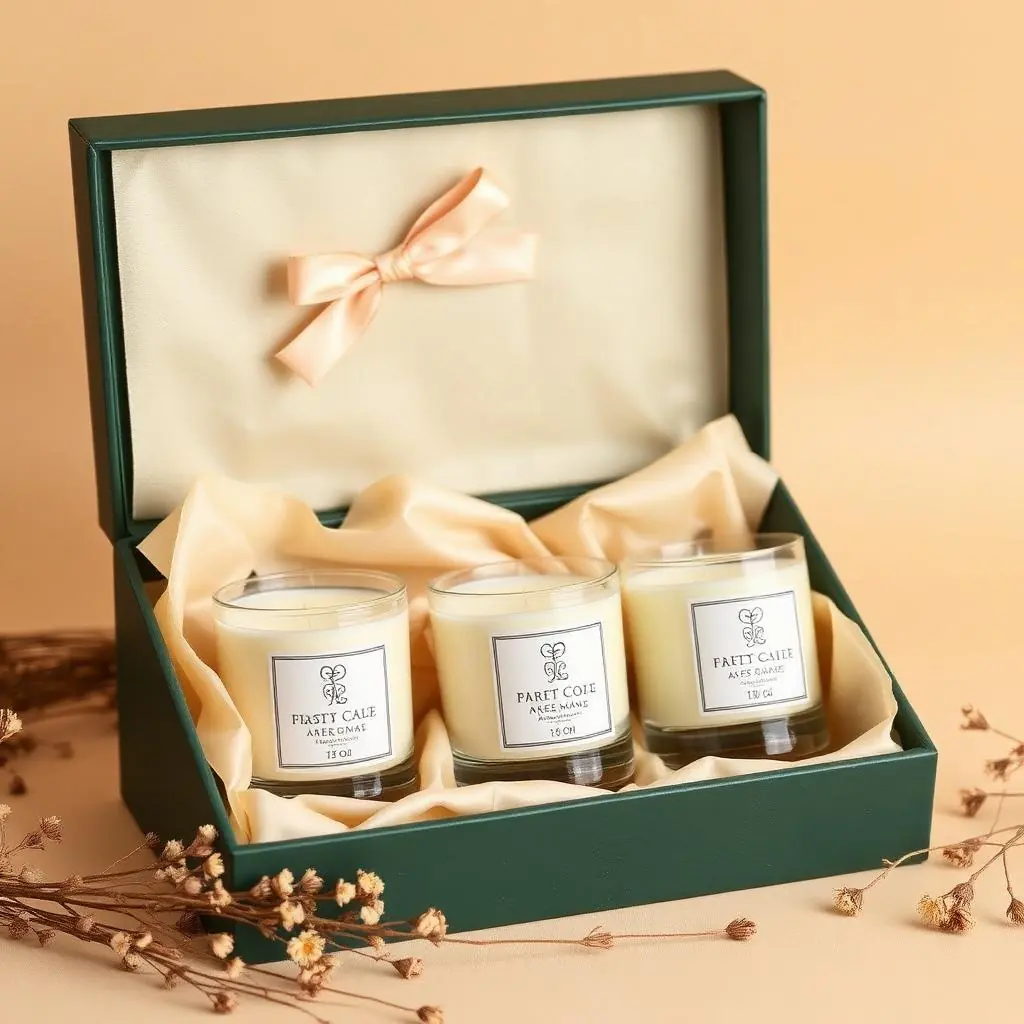
- For showers, registries, or thank-you gifts, the gifting collection covers boxed sets and personalized favors available at prices detailed on the maker’s website.
Before you buy from any seller, ask for the fragrance ingredient list and confirm the wick material. A maker who proofs each order before shipment is one signal of a more careful process.
Sources
- Reducing Prenatal Exposure to Toxic Environmental Agents | ACOG
- Fine particulate matter emissions from candle burning (EPA report)
- Are candles bad for you? What to know — Cleveland Clinic
- Aromatherapy during pregnancy — NHS / maternity guidance
This article is general information, not a substitute for advice from a qualified doctor. Consult a qualified healthcare professional about your own circumstances before acting on anything here.
FAQ
What household activities should I avoid during pregnancy?
Activities that raise exposure to solvents, heavy fragrances, or combustion byproducts are the ones to limit, including prolonged use of scented candles in closed rooms. The ACOG committee opinion on environmental toxins recommends a precautionary approach to household chemical and fragrance exposure generally, not just candles.
What fumes should be avoided during pregnancy?
Fumes from solvents, paint, and heavy fragrance products are generally the ones clinicians ask pregnant people to limit. Candle smoke falls into a similar category in smaller amounts, and ventilating any room where you burn or clean is the simplest way to cut exposure, based on the Cleveland Clinic’s guidance.
What scents should I avoid while pregnant?
There is no single banned list, but NHS aromatherapy guidance flags certain essential oils, including clary sage and jasmine, for caution or avoidance without professional supervision. Heavily fragranced paraffin candles are also worth limiting given their higher reported emissions.
Is smelling essential oils safe for pregnancy?
Brief, incidental smelling of essential oils is generally treated differently from sustained diffusing or topical use, but NHS guidance still recommends professional advice before regular aromatherapy use in pregnancy. If you’re unsure about a specific oil, ask your midwife or doctor rather than guessing.