


Minutes vs Hours: Incense or Candles for Health Conscious Homes
Pick incense for fast, intense scent and meditation rituals. Pick candles, especially soy or beeswax, for steady ambient fragrance, warm light, and lower particulate exposure in health-sensitive homes. Ventilation and how often you burn either one matter more than which you choose. The rest comes down to matching the tool to the moment.
TL;DR:
- Incense provides immediate, intense scent suitable for quick rituals, with each stick lasting 20 to 45 minutes and producing visible smoke.
- Candles, especially soy or beeswax, deliver a steady scent over several hours, ideal for ambient use and long sessions without smoke.
- Burning frequency and ventilation significantly influence indoor air quality, with incense linked to respiratory risks if used heavily without proper ventilation.
- Candle wick maintenance and wax type affect performance and cleanliness, with soy and beeswax burning more quietly and with fewer pollutants.
- Match your choice to the occasion: incense for quick meditation or rituals, candles for longer-lasting ambiance and decor.
Table of Contents
- Incense vs Candles at a Glance
- How Incense Works: Materials, Forms, and Burn Time
- How Candles Work: Wax, Wicks, and Burn Behavior
- Which Spreads Scent Faster, Incense or Candles?
- Ambiance, Ritual, and Everyday Mood
- Health and Indoor Air Quality: What the Research Shows
- Cost, Cleanup, and Everyday Safety
- How to Choose: A Quick Decision Checklist
- A Publisher’s Take on Candles vs Incense
- If You Choose Candles, Here’s Where to Start
- Sources
- FAQ
Incense vs Candles at a Glance
Neither option wins outright. The right pick depends on what you actually need from the next thirty minutes or the next three hours.
- Incense is best for meditation, quick room refreshes, and ritual or spiritual practice. Scent intensity is high and immediate, smoke is visible, burn time runs 20 to 45 minutes per stick, and cleanup means brushing away ash. Keep it on a heatproof holder, away from curtains, and never leave it burning in an empty room.
- Candles are best for dinners, bedrooms, offices, and anywhere you want scent for hours without smoke. Scent intensity builds slowly, there’s no visible smoke with a well-trimmed wick, burn time runs several hours per session, and cleanup means an occasional wax trim. Keep the wick at a quarter inch and never burn one unattended.
How Incense Works: Materials, Forms, and Burn Time
Incense is made from aromatic plant resins, ground woods, essential oils, and a charcoal or bamboo binder that holds the mixture together. When you light it, that binder smolders rather than flames, releasing fragrance directly into smoke instead of through slow evaporation.
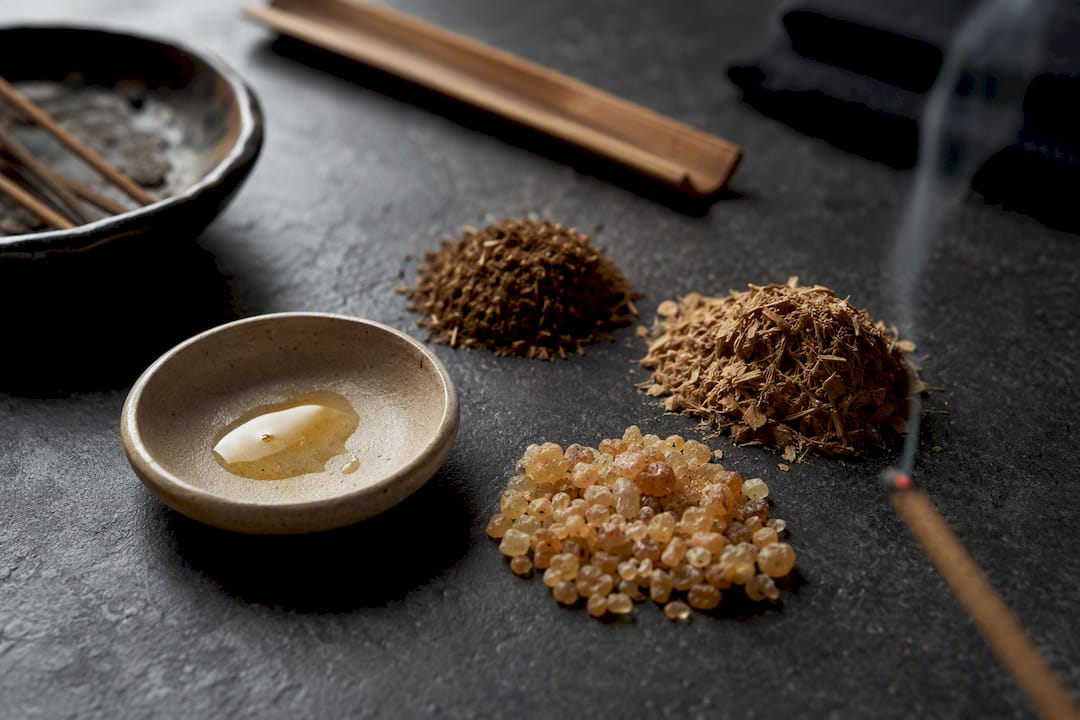
That’s the mechanical reason incense hits your nose so fast. Combustion vaporizes the aromatic compounds immediately, and smoke naturally spreads through a room in minutes.
Form changes the experience. Sticks burn for 20 to 45 minutes, cones burn faster and more intensely over a shorter window, and loose resin burned on charcoal tablets gives the strongest, smokiest output of the three. All three leave ash behind, which means cleanup is quick but constant if you burn daily.
How Candles Work: Wax, Wicks, and Burn Behavior
Wax type decides almost everything about how a candle performs. Paraffin candles throw scent aggressively but can release compounds like acetone, toluene, and benzene as they burn, according to Medical News Today. Soy and beeswax burn cooler and cleaner, with a gentler, more gradual scent release that suits longer sessions.
Container candles trap heat and melt evenly, which helps scent throw stay consistent from the first light to the last. Pillar candles look striking but are more prone to uneven burning and dripping. Either way, wick maintenance decides a lot: trimming to about a quarter inch before each burn and letting the first wax pool reach the container’s edge reduces soot and prevents tunneling, a maintenance habit CNN’s health coverage also flags as key to cleaner performance. That’s why candles feel like a slow build rather than an instant hit. They’re built for the long session, not the quick blast.
Which Spreads Scent Faster, Incense or Candles?
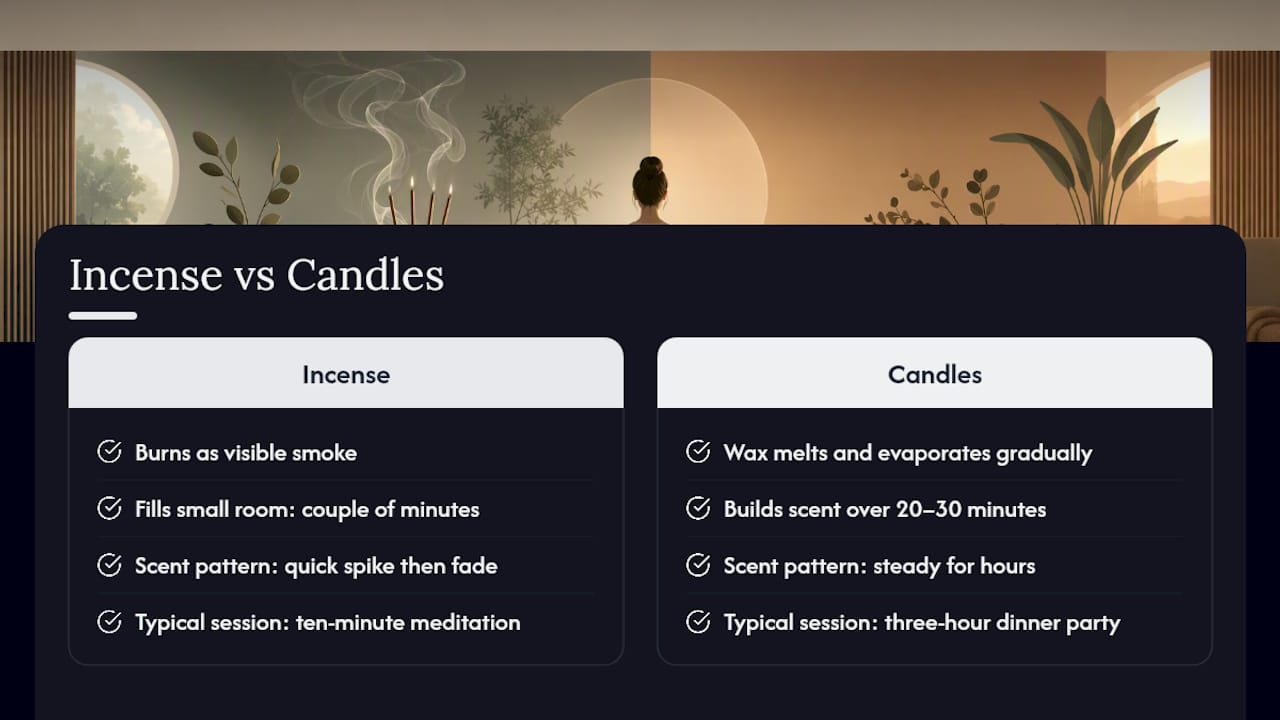
Incense wins the sprint. Because it burns as visible smoke, the fragrance molecules travel through the air almost instantly, filling a small room within a couple of minutes. Candles win the marathon. Wax melts and evaporates gradually, so scent builds over 20 to 30 minutes and stays steady for hours rather than spiking and fading.
Room size and ventilation change both stories. A large, drafty room dilutes incense’s punch quickly, while a small, closed room lets a candle’s scent concentrate over time. Fragrance oil concentration matters too. A candle poured with a high fragrance load throws scent noticeably harder than a lightly scented one, even in the same wax.
Match the tool to the moment. A ten-minute meditation session or a quick reset before guests arrive calls for incense. A three-hour dinner party or a long work session at your desk calls for a candle that holds its scent steady without needing a second stick lit halfway through.
Ambiance, Ritual, and Everyday Mood
Candles give you warm, flickering light and decor value that doubles as a design object on a shelf or table. Incense gives you a visible smoke trail and a distinct sensory cue that many people associate with mindfulness or transition rituals. Healthline notes that incense’s psychological benefit often comes from that ritual pattern and the sensory cue of rising smoke, not from any physical effect on the room.
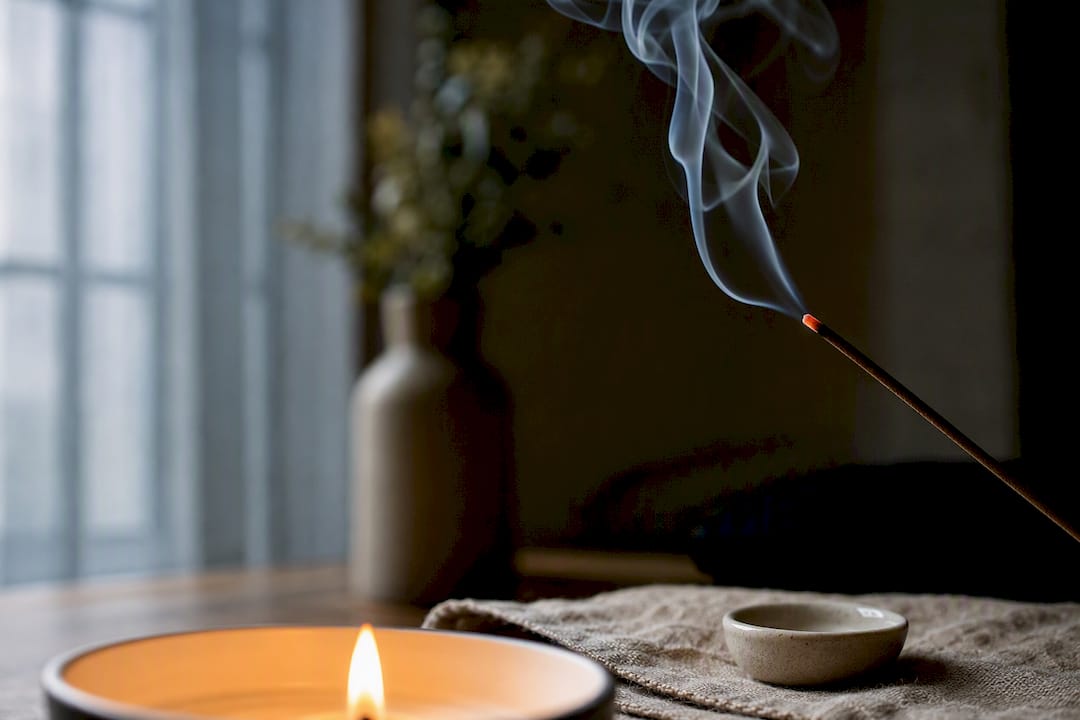
Incense carries deep roots in religious and spiritual traditions across cultures, from temple ceremonies to meditation practice. Candles lean more toward everyday decor and celebration, from holidays to weddings. In shared spaces, incense is the one to clear with roommates first. Its smoke lingers on fabric and travels through vents in ways a candle’s fragrance rarely does.
Health and Indoor Air Quality: What the Research Shows
Both release particulate matter and volatile organic compounds into indoor air, but the risk profile isn’t identical. Some peer-reviewed research links frequent, long-term incense exposure to respiratory inflammation and, in populations with heavy daily use, associations with upper respiratory cancers. The causal picture in humans is complex and depends heavily on frequency and ventilation, but the direction of the signal is consistent enough to warrant caution with daily use in unventilated rooms.
Candles carry a different risk profile that depends almost entirely on materials. Cleveland Clinic points out that candle-related risk is often overstated for the average home, and that cooking produces more indoor pollution than occasional candle use. Paraffin is the main concern; soy and beeswax with phthalate-free fragrances burn markedly cleaner.
Household VOCs come from more sources than people realize. The EPA notes that cooking, cleaning products, and combustion all contribute, and that ventilation and filtration are the most reliable ways to bring levels down regardless of the source.
Pro Tip: If you have asthma, COPD, or live with pets, crack a window whenever you burn incense or candles, and check any essential oil blend against pet safety guidance first. Tea tree and citrus oils, for instance, can be harmful to cats and dogs even in candles marketed as natural.
Cost, Cleanup, and Everyday Safety
An incense stick burns 20 to 45 minutes per session, which means daily use adds up in restocking fast. A jar candle burns for several hours per session, so a single purchase covers far more scenting time before you need another.
- Incense costs less per stick but burns through packs quickly with daily use; cleanup means brushing ash off a holder.
- Candles cost more upfront per unit but last through many sessions; cleanup means an occasional wick trim and wax reset.
- Safety for both: never leave either burning unattended, keep flammable materials clear, and use a proper holder or heatproof surface every time.
How to Choose: A Quick Decision Checklist
Three questions settle most of the decision.
- What’s the primary goal? Meditation or ritual points to incense. Ambient scent for a room you spend hours in points to a candle.
- Are you sensitive to smoke, chemicals, or living with pets? If yes, skip incense for daily use and choose a soy or beeswax candle with phthalate-free fragrance and a checked ingredient list.
- How long do you need the scent to last? Under an hour favors incense. Several hours favors a candle.
| Goal | Best match | Look for |
|---|---|---|
| Meditation or ritual | Incense | Natural resin or wood-based sticks |
| Everyday ambiance | Candle | Soy or beeswax, phthalate-free |
| Health-sensitive or pet home | Candle | Lead-free wick, checked fragrance oils |
| Long dinner or work session | Candle | Well-proofed label, steady scent throw |
A Publisher’s Take on Candles vs Incense
Well-made soy candles balance scent with air comfort in a way cheaper paraffin or heavy incense use often can’t. That’s the standard we hold every hand-poured order to.
— Jake
If You Choose Candles, Here’s Where to Start
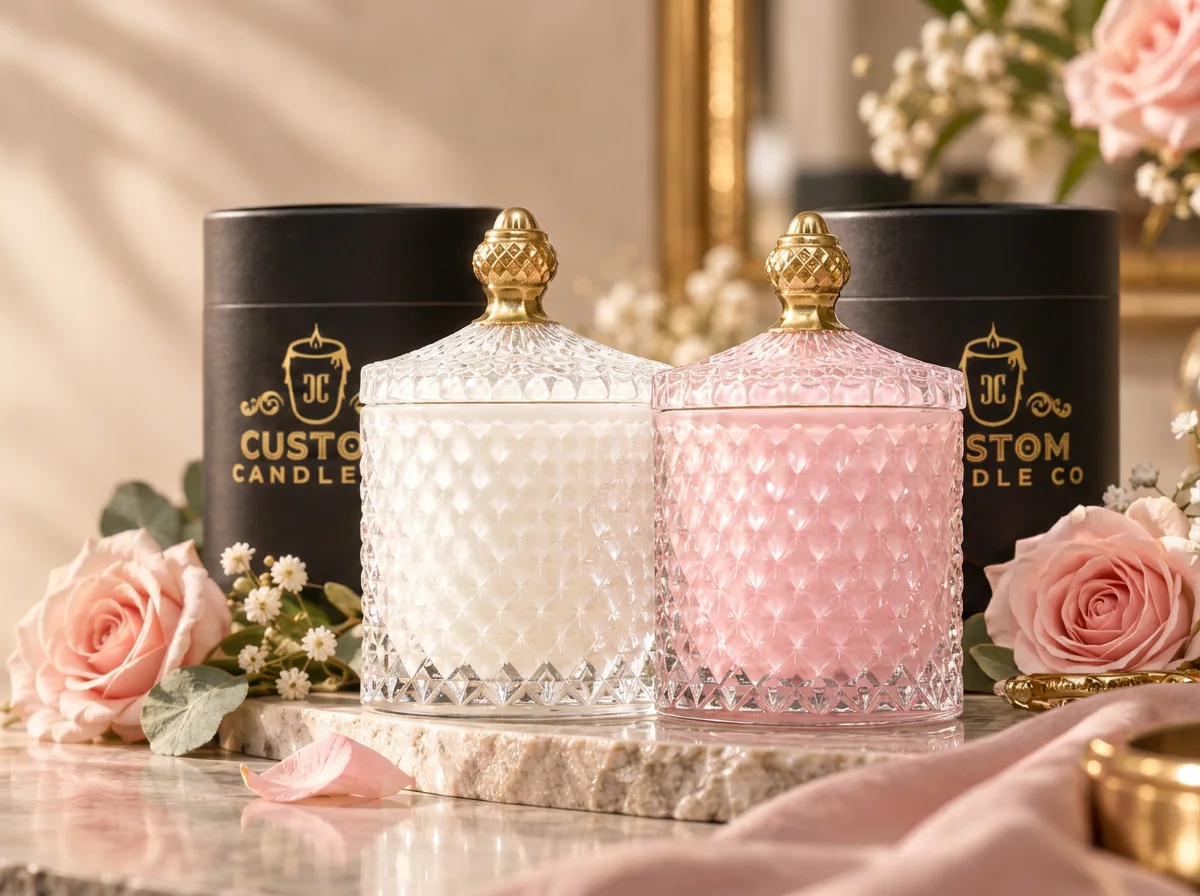
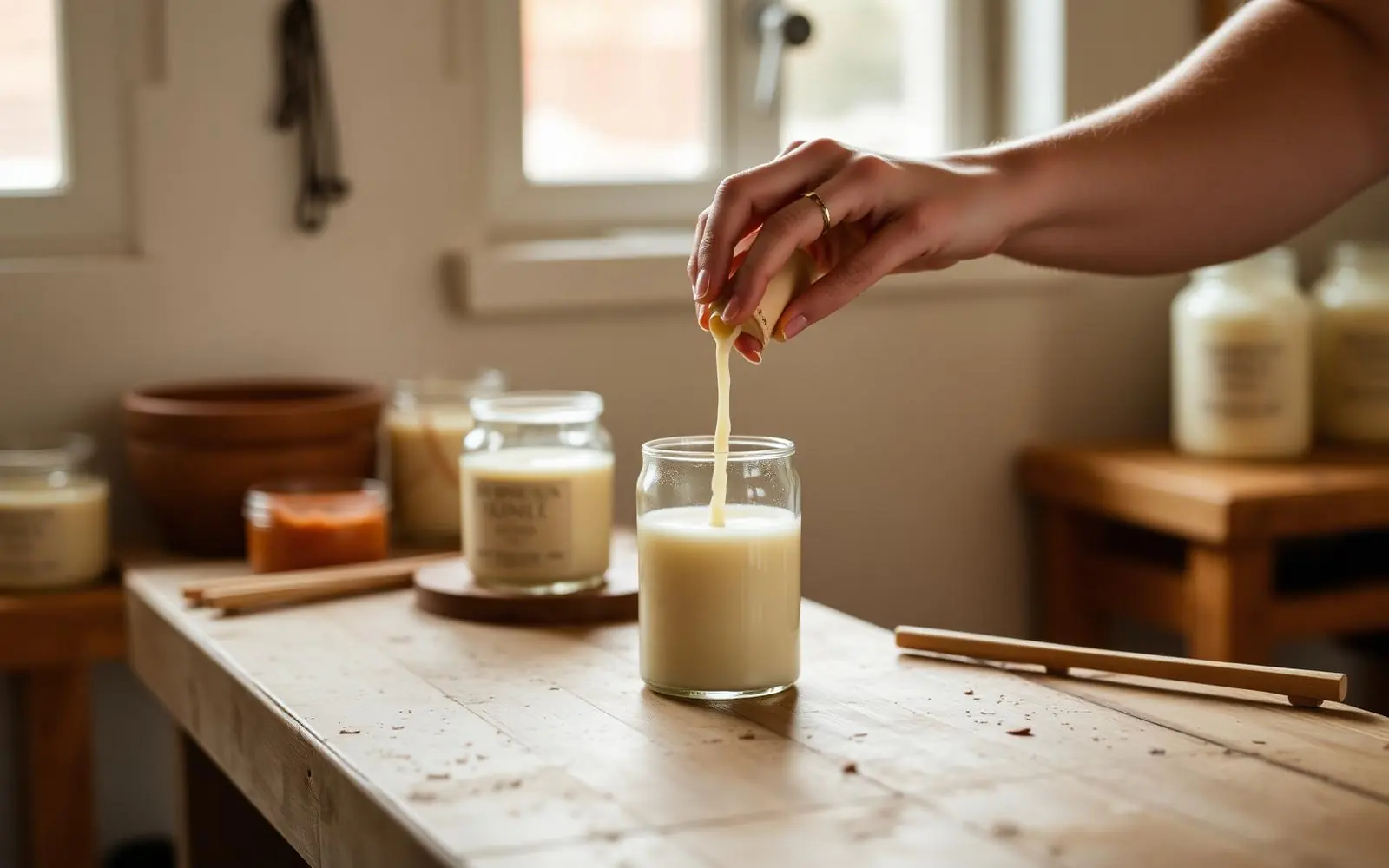
If a candle is your pick, the material and craftsmanship behind it decide whether you get clean, steady scent or a hazy room full of soot. Hand-poured soy wax candles with phthalate-free fragrances and lead-free wicks provide ambiance without the tradeoffs paraffin brings.

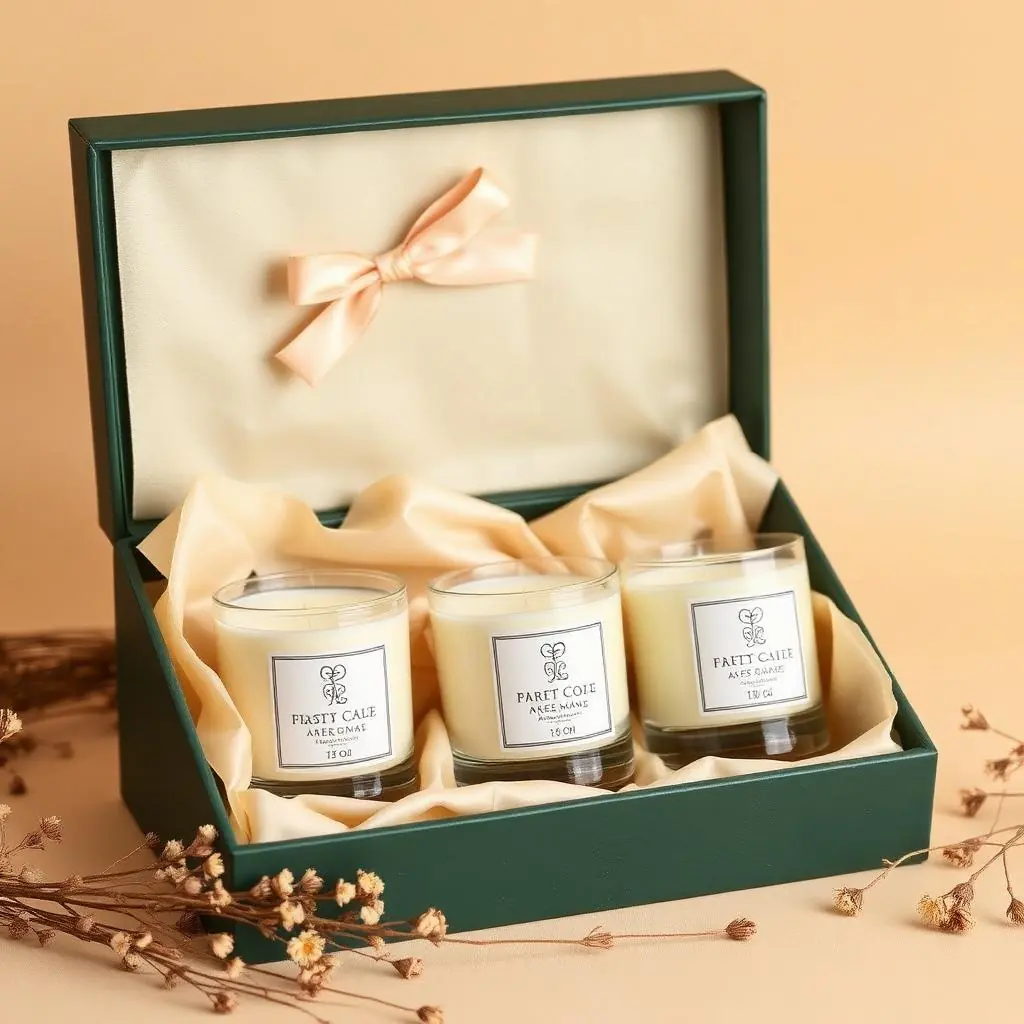
Orders generally go through a proofing process before shipping, with many leaving within two days. That matters if you’re scenting a home for a specific occasion or picking up a gift on a deadline. The personalized candles line lets you add a name, photo, or message to the label, which turns an everyday soy candle into a keepsake for weddings, holidays, or a thoughtful gift for someone who already has enough unscented clutter. Pet owners can check fragrance details before ordering, and anyone shopping for a group can browse boxed gift sets built for weddings and corporate gifting alike. Start with the custom candles page to see the customization options and pick your first order.
This article is general information, not a substitute for advice from a qualified doctor. Consult a qualified healthcare professional about your own circumstances before acting on anything here.
Sources
- Are candles bad for you? — Medical News Today
- What is incense? — Healthline
- Are candles bad for you? — Cleveland Clinic
- What are volatile organic compounds (VOCs)? — EPA
FAQ
Are Incense or Candles Better for You?
Neither is automatically better; the risk depends on material and frequency. Soy or beeswax candles with phthalate-free fragrances tend to release fewer harmful compounds than daily incense use in an unventilated room, according to Cleveland Clinic.
Is It Healthy to Smell Incense?
Occasional incense use in a ventilated room poses low risk for most healthy people. Frequent, heavy exposure has been linked in some research to respiratory irritation, so daily burners should ventilate well and keep sessions short.
Is Burning Incense Just for the Scent Considered Wrong?
This is a matter of personal or religious belief rather than a health or safety question, and views vary widely across traditions and individuals. Many people burn incense purely for scent or ambiance with no ritual intent at all.
What Does the Bible Say About Burning Incense?
Incense appears throughout the Bible primarily in the context of temple worship and offerings, most notably in the book of Exodus regarding the altar of incense. Interpretations of its modern relevance vary by denomination and individual belief, so this is best explored through a faith leader or personal study rather than a general health article.
Which Lasts Longer, Incense or Candles?
A jar candle typically burns for several hours per session, while an incense stick burns for 20 to 45 minutes. That makes candles the better fit for long sessions and incense better suited to short, focused use like meditation.