


Hand-Poured vs. Mass-Produced Candles: What Changes

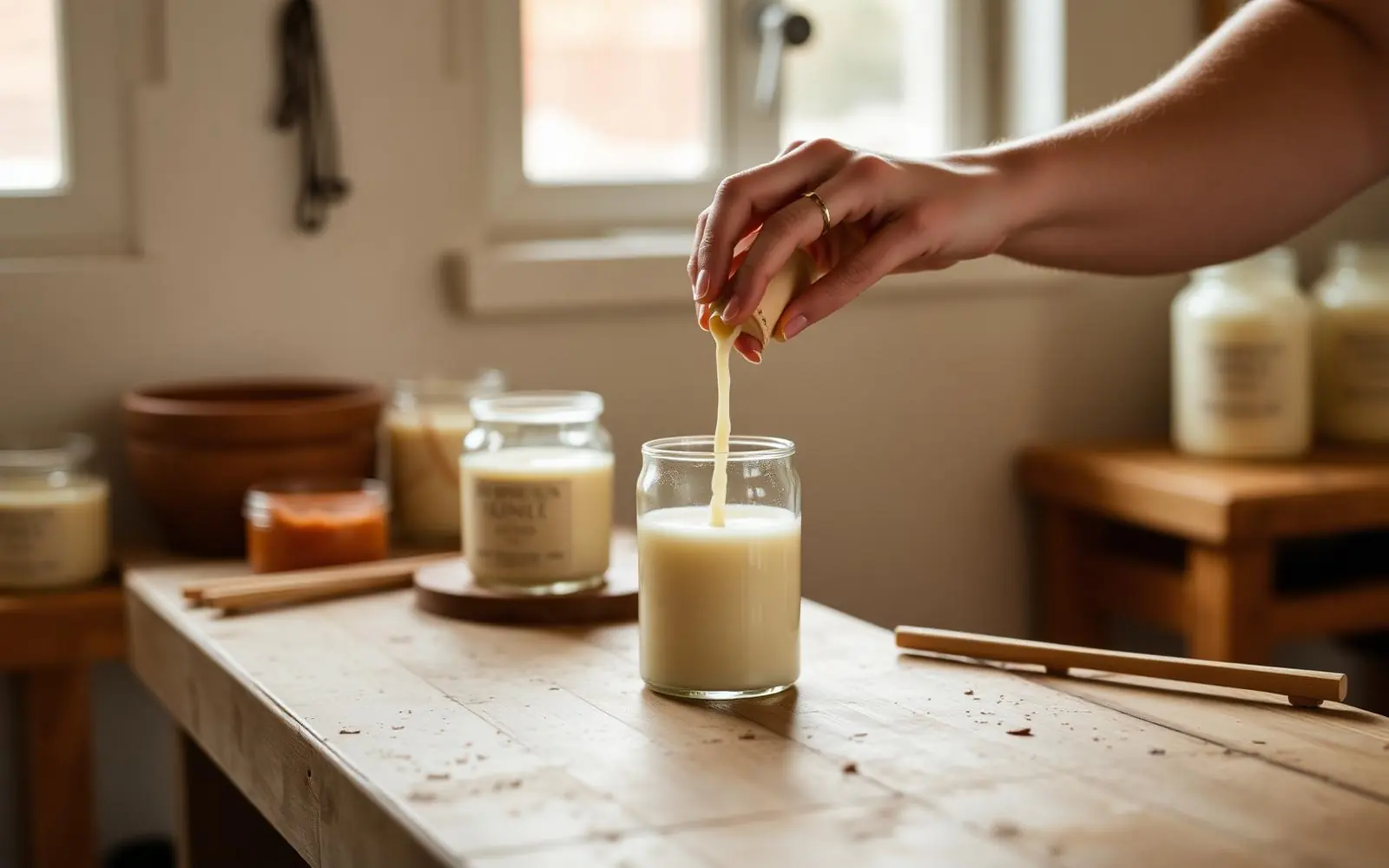
A hand-poured candle is made in small batches, with wax and fragrance poured into the vessel by a person. A mass-produced candle is made on automated lines at much larger volume. Either can burn well. The real difference shows up when you want a candle made for one person or one event: a photo, a name, a wedding date. That is something a factory line is not set up to do, and it is the reason we hand-pour and hand-proof every order at Custom Candle Co.
TL;DR
- “Hand-poured” means the wax and fragrance are poured into the vessel by hand, usually in smaller batches. It describes how a candle is filled, not how safe or clean it is.
- Quality depends on the wax, fragrance, wick and maker, whichever method is used. Machines can be consistent, and hand work can be careless.
- Personalization is where hand pouring clearly wins: custom labels, photos, names, wedding favors and one-off gifts.
- For safety, check the ingredients (phthalate-free fragrance, lead-free wick) and follow the burn instructions. “Natural” on a label is not the same as safer.
- Our personalized orders are proofed by hand and ship within two days, with keepsake packaging and a handwritten card as standard.
Table of Contents
- What “hand-poured” actually means
- What “mass-produced” means
- Hand-poured vs. mass-produced at a glance
- Does the method change scent, burn and appearance?
- Are hand-poured candles safer or more non-toxic?
- Price and environmental impact
- Where hand-poured wins: personalization
- How to choose, whichever method you buy
- Our perspective
- Order a candle made for the person receiving it
- FAQ
- Sources
What “hand-poured” actually means
The National Candle Association (NCA) is the US trade body for candle makers. In its Candle Labels 101 guide, it describes hand-poured candles as melted wax mixed with fragrance and poured into a vessel by hand. It adds that these candles are typically made in smaller batches and may have an artisan feel.
That definition is narrow. It says nothing about the wax type, the fragrance or whether the wick is tested. “Hand-poured” tells you who filled the jar. It does not tell you what is in it.
Scale is the other piece. The Goethe-Institut profiled a Munich chandler whose workshop makes at most 1,000 candles a day. That is a small shop by industrial standards, and it shows how much smaller hand craft usually runs.

What “mass-produced” means
Mass-produced candles are made at industrial volume, with machines doing most of the work. The NCA’s FAQ page lists the techniques candle makers use: molding, dipping, extrusion, pressing, rolling, drawing and filling. It also says modern technology has improved efficiency and quality control.
So “mass-produced” is not a synonym for “poor.” Automation gives you repeatability: the same weight, the same color, the same fragrance load, thousands of times over. What it does not give you is a candle designed around one person.
Hand-poured vs. mass-produced at a glance
| Hand-poured | Mass-produced | |
|---|---|---|
| Batch size | Small batches | Large runs on automated lines |
| Who fills the vessel | A person | Mostly machines |
| Consistency | Depends on the maker’s process and checks | Strong repeatability by design |
| Personalization | Photos, names, custom labels, one-offs | Limited to standard options |
| Best for | Gifts, favors, keepsakes, decor with a story | Everyday staples in identical sets |
| Safety | Depends on ingredients and testing | Depends on ingredients and testing |
The last row matters most. Neither method makes a candle safe by itself.
Does the method change scent, burn and appearance?
Partly, and less than the marketing suggests.
Appearance. Machines produce uniform surfaces and fills. Hand work can vary slightly from jar to jar. For a gift, that small human touch is often the point, as long as the maker checks each piece before it leaves. We proof every candle by hand for print and presentation quality, so what arrives matches what you approved.
Burn. How a candle burns comes down to the wick, the wax and the fragrance working together. Chandler Franz Fürst notes in the Goethe-Institut piece that dust in wax can clog a wick, and that the wrong wick can stop liquid wax from traveling up properly. Wick choice is a testing job, whether the candle is poured by a hand or a machine. If you want to see how we think about it, our guide to wick tests, soot and scent walks through it, and our wood vs. cotton wick comparison covers the burn side.
Scent. Scent comes from the fragrance and how much of it the wax holds, not from the pouring method. Our guide on fragrance oils vs. essential oils explains the difference, and choosing scents by room, mood and memory helps if you are picking one for a gift.

Are hand-poured candles safer or more non-toxic?
The method does not decide it. The NCA says quality waxes burn cleanly and safely, and that natural ingredients or essential oils are not automatically safer. Ingredients and safe use do the work.
Here is what to check on any candle you buy:
- Fragrance. Look for phthalate-free fragrance. All of our candles use phthalate-free fragrances.
- Wick. Look for a lead-free wick. All of ours are lead-free.
- Wax. Soy, beeswax and paraffin each behave differently. Our guides on beeswax vs. soy and the soy vs. paraffin test explain the trade-offs. Our wedding and gift candles are hand-poured soy.
- Label. Ingredient and warning labels exist for a reason. Fragrance ingredients can be sensitizers, and in the UK Candlemakers Advice Pack, labeling duties depend on each formula’s hazard classification and apply to small home-based suppliers as well as large ones. That is a UK and EU rule, but it shows why a clear label is a sign of a careful maker. Packaging rules for larger producers are covered in this overview of industry packaging regulations.
- Safe use. The NCA advises following the burn instructions, such as trimming the wick and keeping candles away from drafts.
For a broader look at the evidence, see our piece on whether candles are toxic and the guide to what the “clean fragrance” label really means.
For pet owners
If you share your home with pets, ingredient transparency matters most. Essential oils in particular can be a concern in homes with animals, and “natural” does not mean harmless. We offer pet-safe candles, and pet owners can verify the essential oil content before they buy. Ask your veterinarian about any specific scent or ingredient for your own animal.
Price and environmental impact
There is no single rule that hand-poured costs more or that mass-produced is cheaper per candle in every case. Large runs spread costs over many units. Small batches carry more labor per candle. What you are paying for in a personalized candle is the design, the proofing and the packaging, not just the wax.
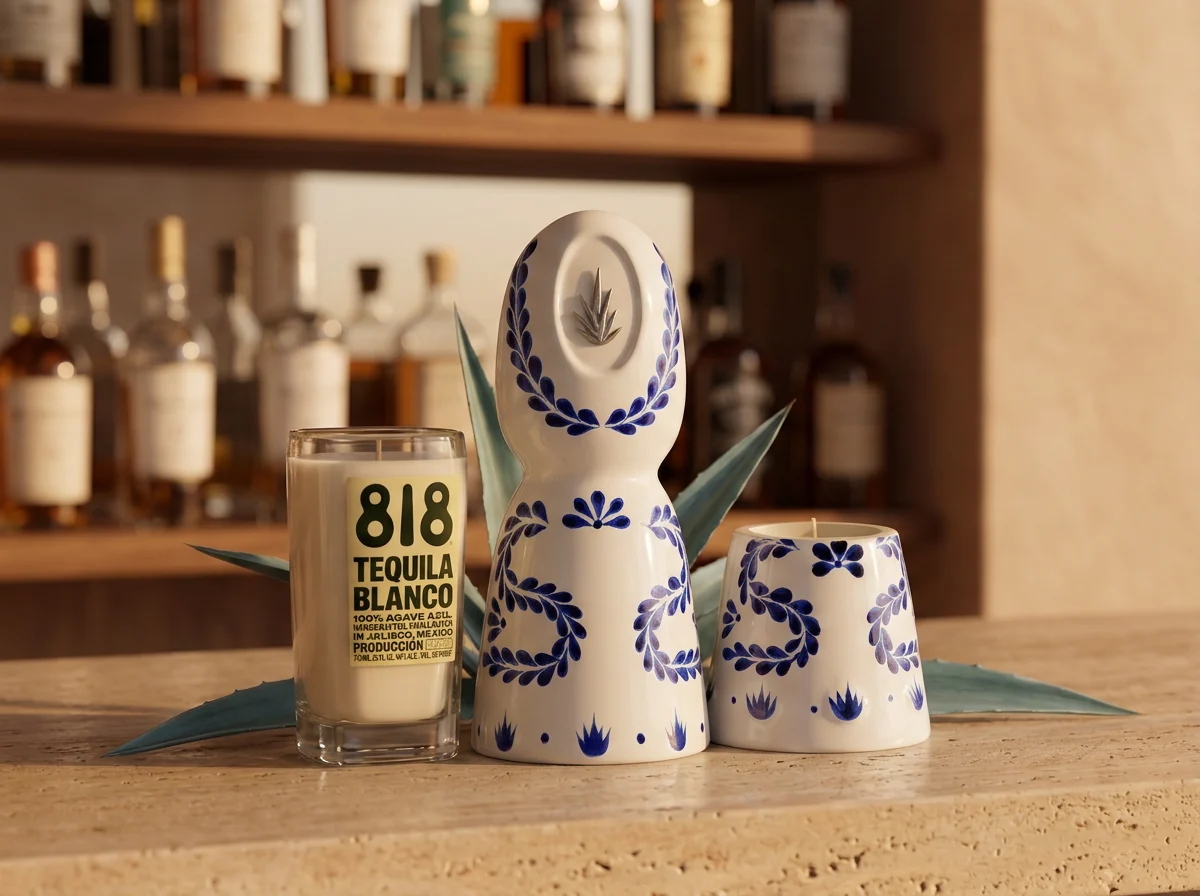
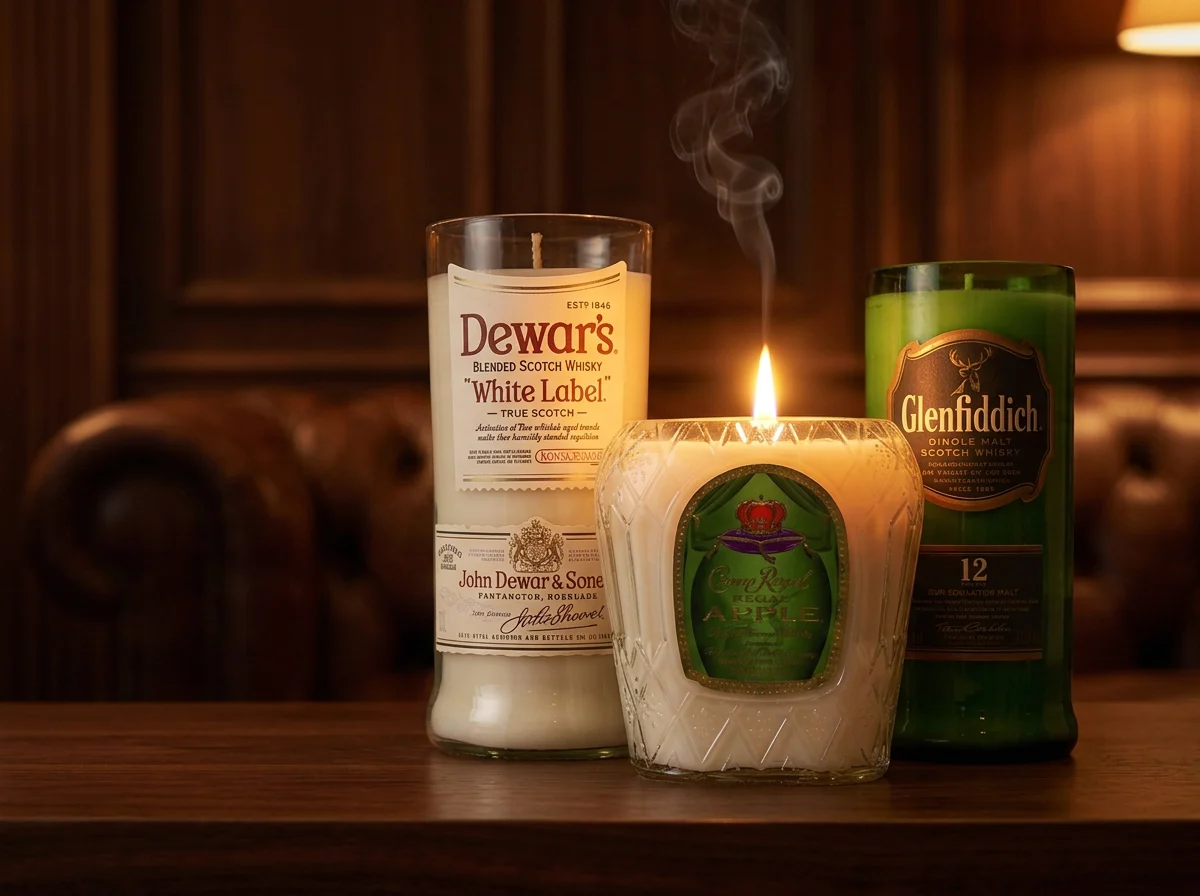
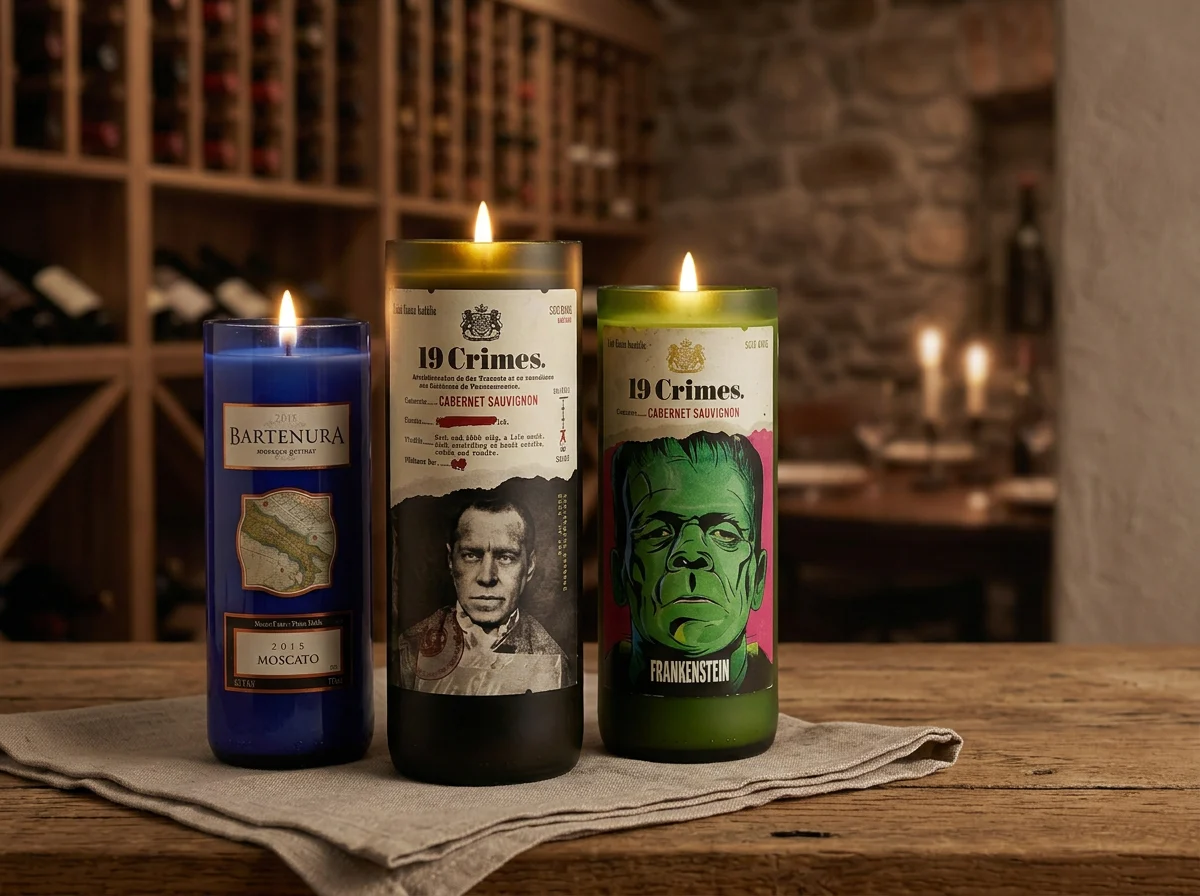
The environmental side is also about materials more than method. The Goethe-Institut piece reports that a candle’s impact depends on the production process, transport route and wax type, noting that palm wax can be linked to deforestation and paraffin comes from fossil fuel. It also reports, citing a European candle manufacturers’ representative, that beeswax makes up less than 1% of the world’s candle raw materials. Our guides on what makes a candle eco-friendly and candles and indoor VOCs go deeper. One more option: we pour artisanal candles into recycled liquor and wine bottles, which gives a bottle a second life.
Where hand-poured wins: personalization
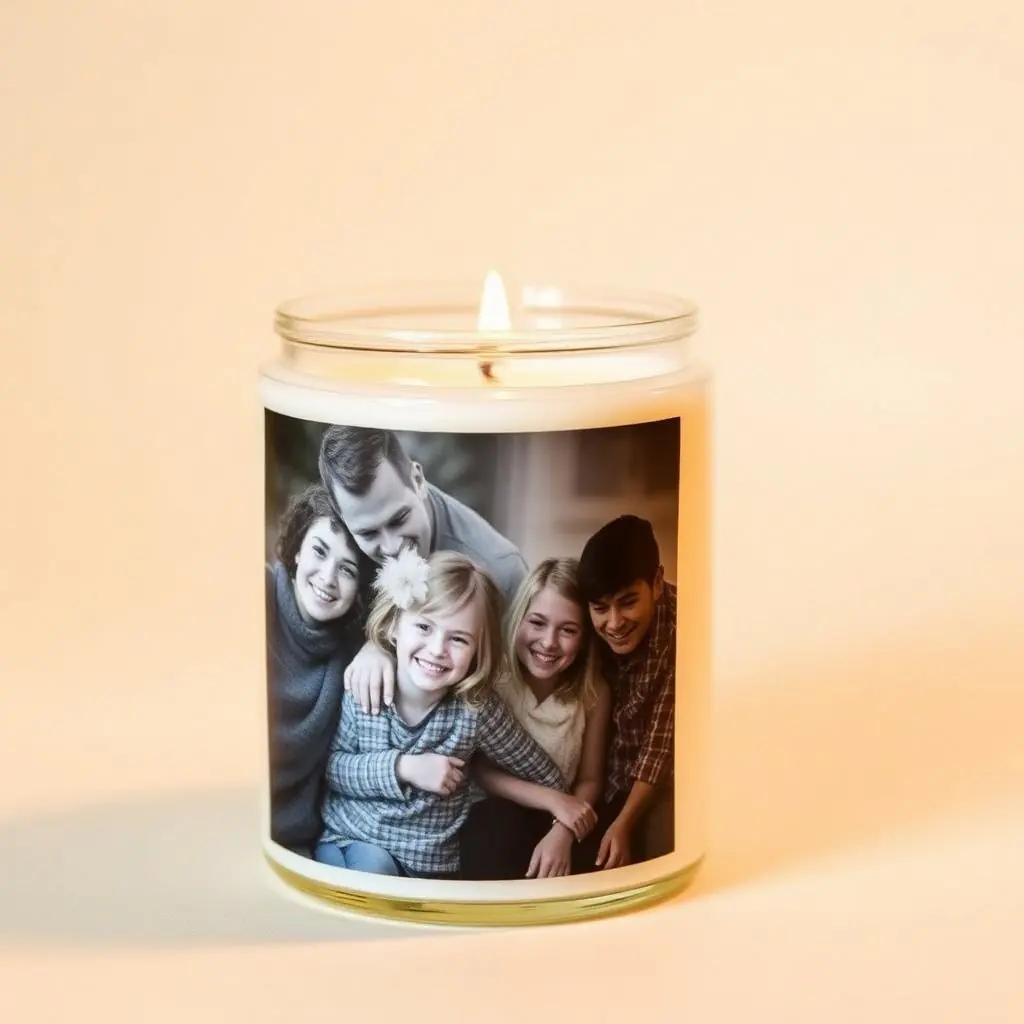
This is the question that settles most decisions. If you want a candle that looks like every other candle, a factory line does that well. If you want your dog’s face on the label, a couple’s names and wedding date, or a handwritten line for a friend, you need a maker who works one order at a time.
Here is how it plays out by occasion.
Gifts
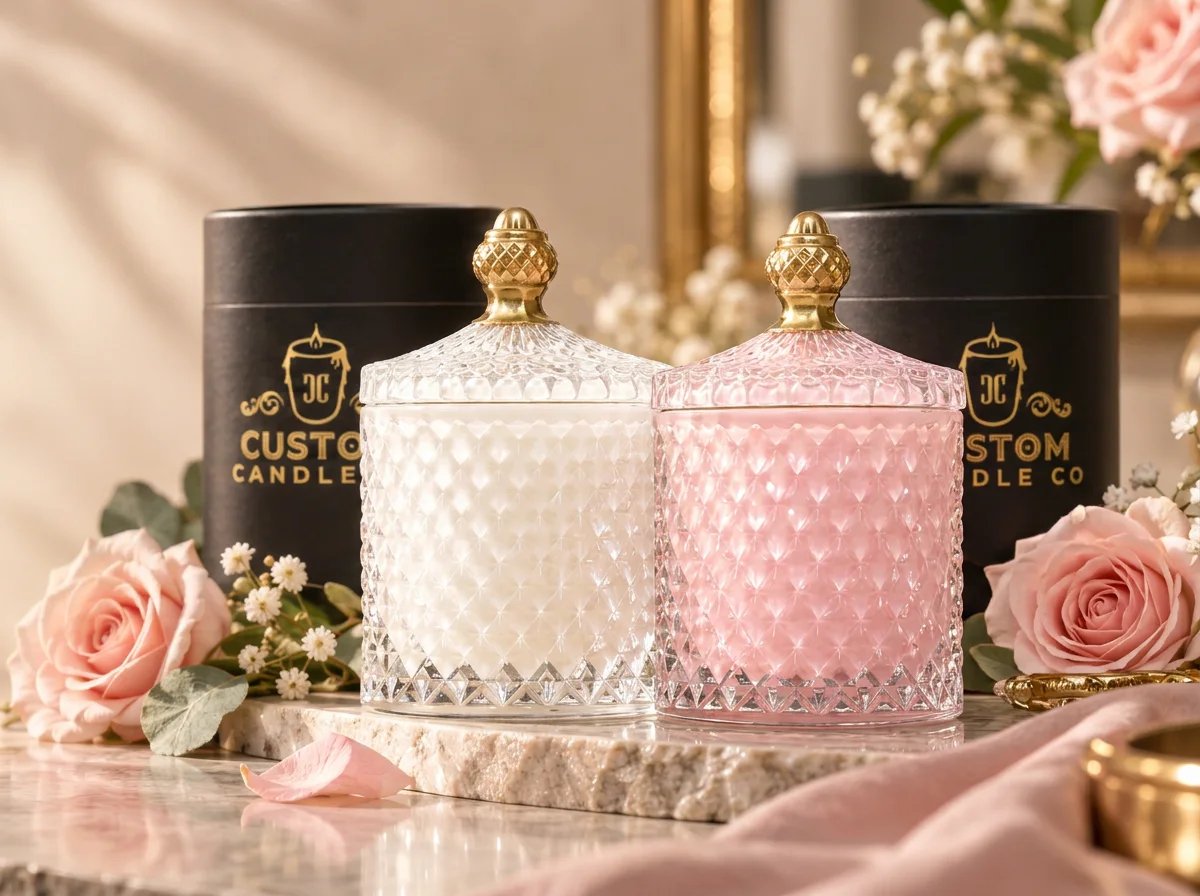
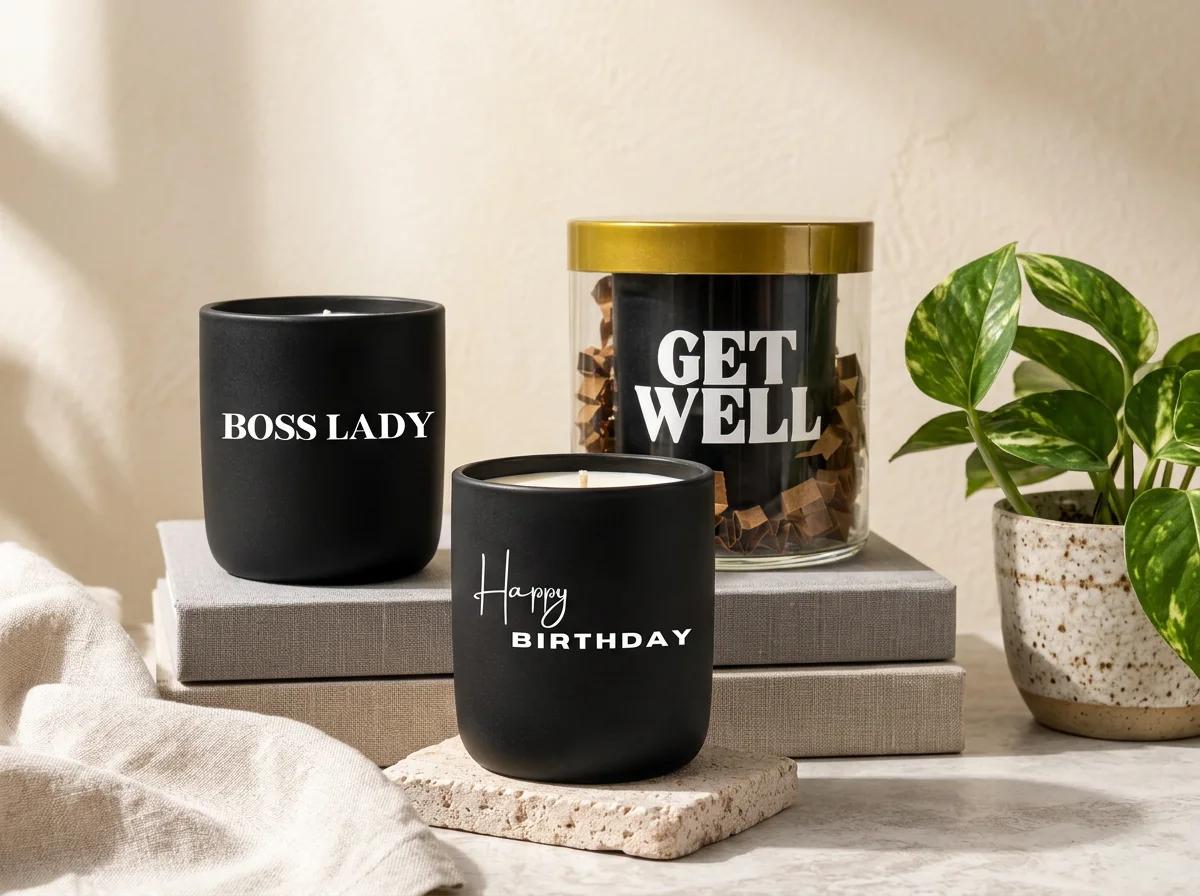
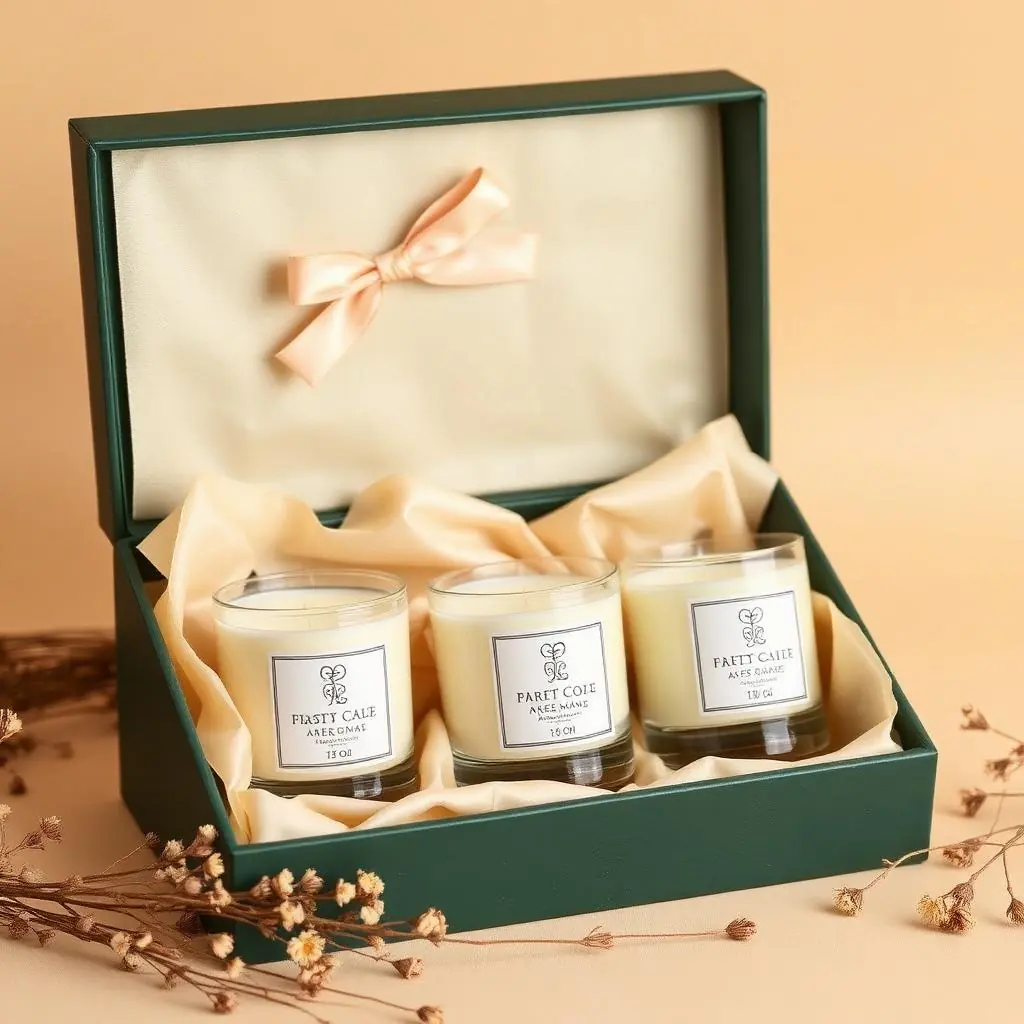
A personalized candle works because the label carries the meaning. You can put a photo, a quote or a name on a soy candle through our photo candles and personalized candles pages. Each order comes in keepsake packaging with a handwritten gift card. The Customize a Candle page lets you choose wax, scent, label and packaging.
Weddings
Favors are the clearest case for hand pouring. Every guest gets the same design, but it is made for your event. Our wedding favors start at $18 per candle, and corporate and client gifting starts at $22 per candle. Both are on our gifting page, and you can browse wedding candles too.
Home decor and craft lovers
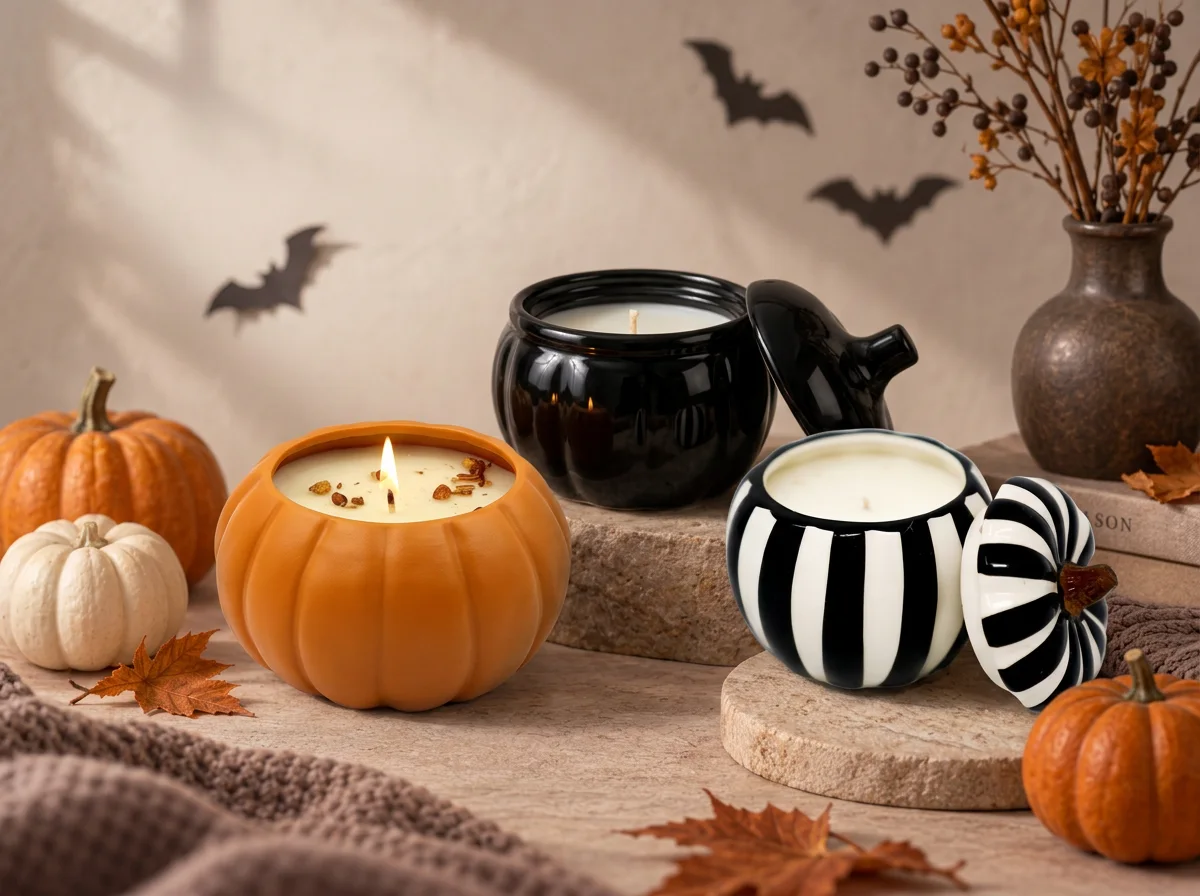
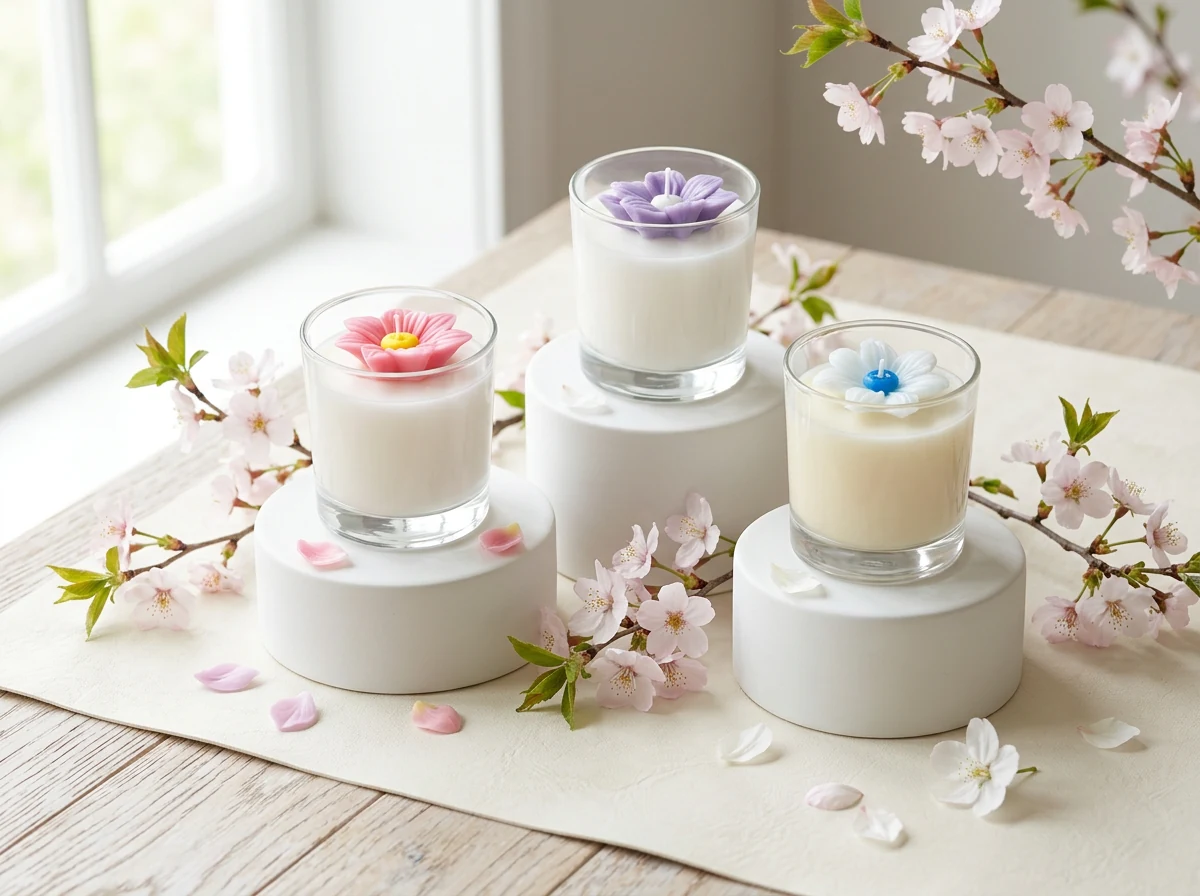
If you collect objects with character, shapes matter as much as scent. Our range includes ceramic, figurine, teacup and sneaker candles, as well as hand-sculpted wax melts. For people who love artisanal work, a small-batch candle with visible craft is the draw.
How to choose, whichever method you buy
- Decide what the candle is for. A staple for the living room has different needs than a gift or a favor.
- Check the ingredients. Phthalate-free fragrance, lead-free wick and a clearly named wax are the baseline.
- Ask about quality checks. The NCA’s Candle Labels 101 guide says reputable makers hold rigid quality standards whatever the technique. Look for a maker who proofs and checks each piece.
- Match the scent to the setting. Strong scents suit large rooms. Soft ones suit bedrooms.
- Plan the timing. For personalized orders, build in proofing and shipping. Ours ship within two days.
- Burn it properly. Trim the wick, keep it out of drafts and never leave it unattended.
Our perspective
We pour by hand because personalization demands it. A photo has to sit cleanly on the label. A name has to be spelled right. A wedding favor has to look the same across a hundred jars and still feel made for that couple.
The pouring method alone does not make a candle good. What does is the checking: phthalate-free fragrance, lead-free wicks, and a hand proof of every print and every finished candle before it ships. That is the standard we hold ourselves to.
If you want something made for one person or one day, with packaging and a handwritten card that make it feel like a gift from the moment it arrives, that is where we do our best work.
Jake
Order a candle made for the person receiving it
If you are choosing a gift, favors or a keepsake, start with our personalized candles: hand-poured soy, your photo or words on the label, proofed by hand and shipped within two days. For events, our gifting page covers wedding favors from $18 per candle, corporate gifting from $22 per candle and boxed gift sets from $48.
Every order arrives in keepsake packaging with a handwritten gift card.
FAQ
Is a hand-poured candle better than a mass-produced one?
Not automatically. Quality depends on the wax, fragrance, wick and the maker’s checks. Hand pouring is the better fit when you want a candle personalized with a photo, name or message, or made in a small batch for an event.
Are hand-poured candles non-toxic?
The pouring method does not decide that. Look at the ingredients: phthalate-free fragrance, a lead-free wick and a clearly named wax. The NCA also notes that natural ingredients are not necessarily safer, so check the label rather than the buzzwords.
Can mass-produced candles be high quality?
Yes. Automation can deliver strong consistency, and the NCA says modern technology has improved quality control. What a mass-produced line cannot do is tailor a candle to one person or occasion.
Which is better for wedding favors?
Hand-poured, if you want the design to reflect the couple. Custom labels let every guest get a keepsake that matches your wedding. Ours start at $18 per candle.
Sources
- Candle Labels 101: Understanding Product Claims & Safety Instructions, National Candle Association
- FAQs, National Candle Association
- Candlemaking: Once a Guild Tradition, Now a Big Business, Goethe-Institut
- Candlemakers Advice Pack, 2020
- Industry Packaging Regulations Understood