







Candles for Allergies: How to Choose and Burn Them

If candles make you sneeze, cough or get a headache, the culprit is usually the fragrance, not the wax. No candle can be guaranteed “allergy-proof,” but you can lower your odds of a reaction by choosing carefully, keeping the scent level low, and burning with fresh air moving through the room. This guide covers what causes symptoms, how to read “hypoallergenic” and “allergy friendly” claims, and how to burn candles more comfortably.
TL;DR
- Most candle reactions come from fragrance irritating the nose, throat and lungs, not from a true allergy to wax.
- Soy is not the usual suspect. Fragrance ingredients are the main chemical concern for sensitization, whether they are natural or synthetic.
- “Hypoallergenic” is a marketing word, not a guarantee. Ask what is in the fragrance and start with a small test burn.
- Ventilate, trim the wick, burn briefly, and skip any scent you already know bothers you.
- If you have asthma, a scent-triggered reaction is a conversation for your doctor, not a DIY experiment.
Table of Contents
- Why candles can set off allergy-like symptoms
- What is actually in the air when a candle burns
- Can soy candles cause allergies?
- What “hypoallergenic” and “allergy friendly” really tell you
- Choosing candles for a sensitive nose
- How to burn candles with fewer symptoms
- Non-burning ways to enjoy a candle
- Our perspective
- Make a candle that fits your household
- FAQ
- Sources
Why candles can set off allergy-like symptoms
A reaction to a candle often feels like an allergy: stuffy nose, runny nose, scratchy throat, cough. But the mechanism is frequently different. According to the Asthma and Allergy Foundation of America’s “Ask the Allergist” page, strong odors usually act as irritants rather than true allergens, and they can still trigger rhinitis or asthma symptoms, including congestion, a runny nose and coughing.
The American Lung Association lists a wider set of possible effects from fragrance exposure: headaches or migraines, dizziness, eye, nose and throat irritation, nausea, fatigue, coughing, wheezing and shortness of breath. It also notes that people with asthma, COPD, allergies, migraines or chemical sensitivities tend to be bothered most.
The National Candle Association says a particular fragrance can trigger a negative reaction in a small share of sensitive people. In plain terms: most people burn candles without trouble, and a minority react to specific scents. If you are in that minority, the goal is to find out which ones.
Irritation versus allergy
The difference matters for how you shop.
- Irritation happens when a strong smell or airborne particles bother the lining of your nose, eyes or airways. It can happen to anyone at a high enough dose, and it hits people with asthma harder.
- Allergy involves the immune system responding to a specific substance. Fragrance contact allergy, which usually shows up on skin, is a documented thing, but it is a different pathway from the stuffy nose you get in a candle aisle.
Both can make a candle unpleasant, and both respond to the same practical steps: lower the fragrance load and improve airflow.
What is actually in the air when a candle burns
Two things reach your air: the fragrance, and the byproducts of combustion.
Fragrance. The American Lung Association explains that fragrance mixtures can contain hundreds of chemicals, many of them volatile organic compounds (VOCs) that evaporate into the air. It adds that natural essential-oil fragrances and synthetic ones can both release pollutants indoors. So “natural” is not automatically gentler for a sensitive nose.
Combustion. National Geographic reports that burning any candle involves incomplete combustion and gives off soot, and that all wax types release soot and VOCs when burned. A flickering, smoky flame releases more particles than a steady one, which is why wick care matters for sensitive households.

Keep this in proportion. Cleveland Clinic notes that candles release trace VOCs such as toluene and benzene, yet concludes the evidence is not strong enough to call ordinary candle use inherently dangerous. It also acknowledges that scented candles can provoke allergic reactions or asthma attacks in some people. Ventilation and your own sensitivity are the variables that count. For a deeper look, see our guide Are Candles Toxic? What the Evidence Says.
Can soy candles cause allergies?
People searching “soy candle allergy” usually want to know whether the wax is the problem. The best evidence points elsewhere. The British Candles Association’s 2024 advice pack explains that a scented candle is a mixture of wax, fragrance and colour, and that the fragrance ingredients, not whether they are natural or synthetic, are the main likely chemical concern for sensitization.
What that means for you:
- If you react to a soy candle, suspect the scent first, then the dye, then the smoke from a poorly trimmed wick.
- Switching wax types without changing the fragrance may not change anything.
- Switching to a lighter, simpler scent often does.
We are not claiming soy is “allergy-proof.” No wax is. If you have a diagnosed soy allergy, talk to your allergist about whether a candle made with it is appropriate for your home. If you are curious about how wax types compare on emissions, our soy vs paraffin test walks through it.
What “hypoallergenic” and “allergy friendly” really tell you
There is no single standard that lets a candle claim to be hypoallergenic, so treat the word as a starting point for questions rather than an answer.
The science explains why. A 2024 peer-reviewed review on fragrance contact allergy notes that fragrance products can contain complex mixtures of many ingredients, and that linalool and limonene can oxidize into stronger contact allergens. Because of this, reading an ingredient label cannot always tell you whether something will bother you.
Regulation helps a little, depending on where you live. Under the EU and UK labeling framework, the British Candles Association explains that a sensitizing substance generally needs a warning label at 0.1% or above, with thresholds varying by substance. It also stresses that each formulation has to be assessed on its own, since the combination of wax, fragrance and colour determines classification. That is an EU and UK rule. It does not describe US labeling, so a US shopper should not assume the same warnings appear on the jar.
Questions worth asking before you buy
| Question | Why it helps |
|---|---|
| Is the fragrance phthalate-free? | Tells you about one specific ingredient group, not about irritation overall. |
| Which fragrance or essential oils are used? | Lets you avoid ones you already know bother you. |
| How strong is the scent throw? | A lighter throw means a lower dose in your air. |
| What are the wick and dye? | Lead-free wicks and minimal dye reduce extra variables. |
| Can I get a small size to test? | A short trial burn beats a six-hour commitment. |
Our article on what “clean fragrance” labels really mean goes further on reading the jar.
Choosing candles for a sensitive nose
Start with the scent, not the wax
Pick the simplest, lightest fragrance you enjoy. Heavy gourmand blends, strong florals and layered “seasonal” scents carry the most chemistry. If a single note, such as one you have tolerated in other products, works for you, begin there. Our guide to choosing scents by room, mood and memory can help you narrow it down.
Match strength to the room
A small, closed bedroom concentrates fragrance. A larger living area with an open door dilutes it. Sensitive people usually do best with lighter scent in the rooms where they spend the most time.
Look at the whole product
Wick quality and flame stability matter because they affect soot. Combustion expert Richard Corsi, quoted by National Geographic, emphasizes that flame stability affects particle emissions. A well-trimmed wick in a draft-free spot gives a steadier flame.

Consider the household
If pets share the space, ingredient transparency matters even more. Our pieces on cat-safe candle choices and ventilating first for pet and kid friendly home fragrance cover that side.
How to burn candles with fewer symptoms
The advice from health and industry bodies is consistent and simple.
- Skip fragrances you know bother you. The National Candle Association advises avoiding fragrances to which you already know you are sensitive.
- Ventilate. Burn scented or unscented candles in a well-ventilated area, per the same source. Crack a window or run an exhaust fan.
- Keep burns short. Light a candle for an hour or two rather than all evening, so fragrance does not build up.
- Trim the wick to about a quarter inch before each burn and keep the flame out of drafts, so it burns steadily and produces less soot.
- Test in a small way. Burn a new candle for 20 to 30 minutes in a large room before using it in a bedroom.
- Stop if you feel off. Put out the flame, open windows and leave the room if you notice coughing, wheezing, a headache or throat irritation.
If you have asthma
Be more conservative. Cleveland Clinic’s asthma guidance, quoting pulmonologist Katina Nicolacakis, MD, recommends avoiding scented candles if your asthma is scent-triggered, notes that poorly ventilated burning can raise exposure, and says people with asthma should carry prescribed medicines and a rescue inhaler as directed. The American Lung Association likewise recommends fragrance-free products, avoiding scented candles and incense, and improving ventilation.
When to see a professional: if a candle regularly brings on wheezing, shortness of breath or coughing, or if your symptoms linger after you leave the room, talk with your doctor or allergist. AAFA advises working with a healthcare provider to manage asthma and allergies, and that conversation can pin down what is actually triggering you.
Non-burning ways to enjoy a candle
Sometimes the best answer to a sensitive nose is to change how you use the object. A few options:
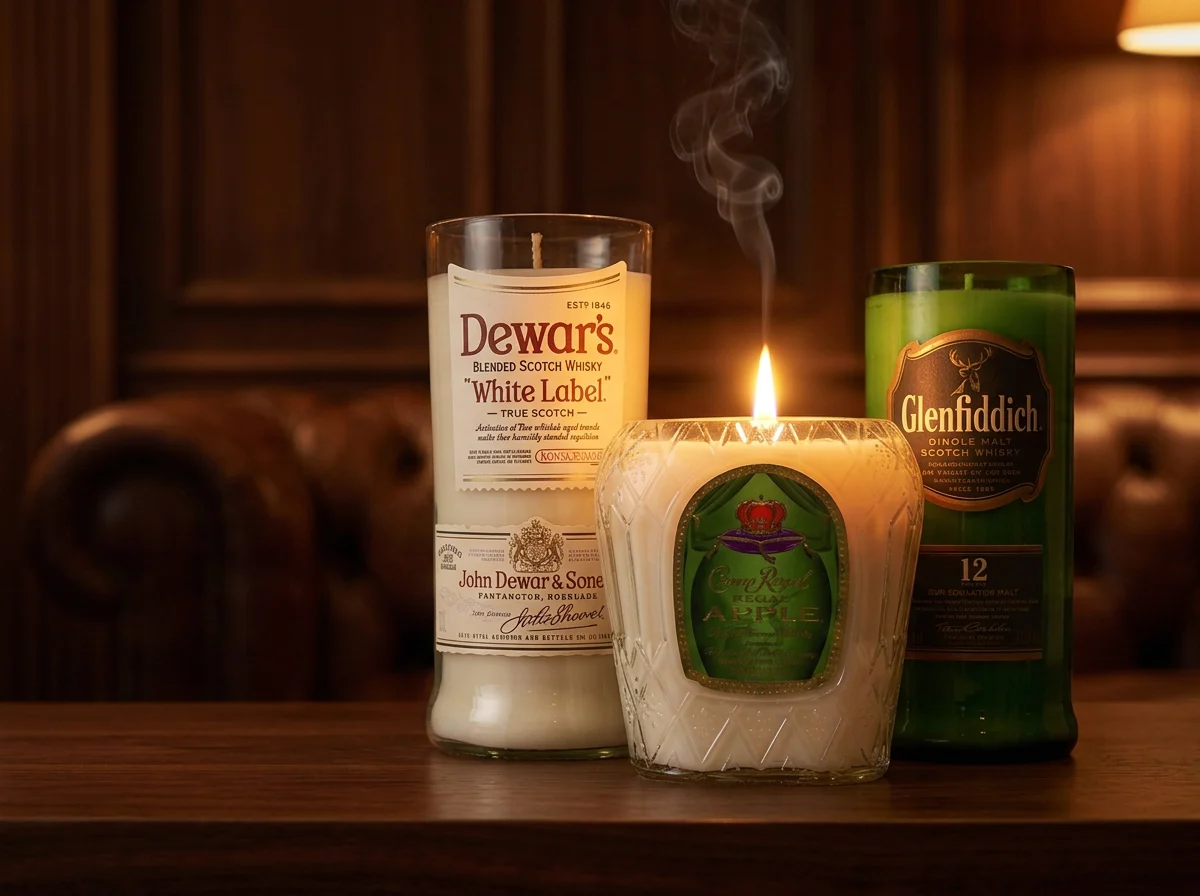
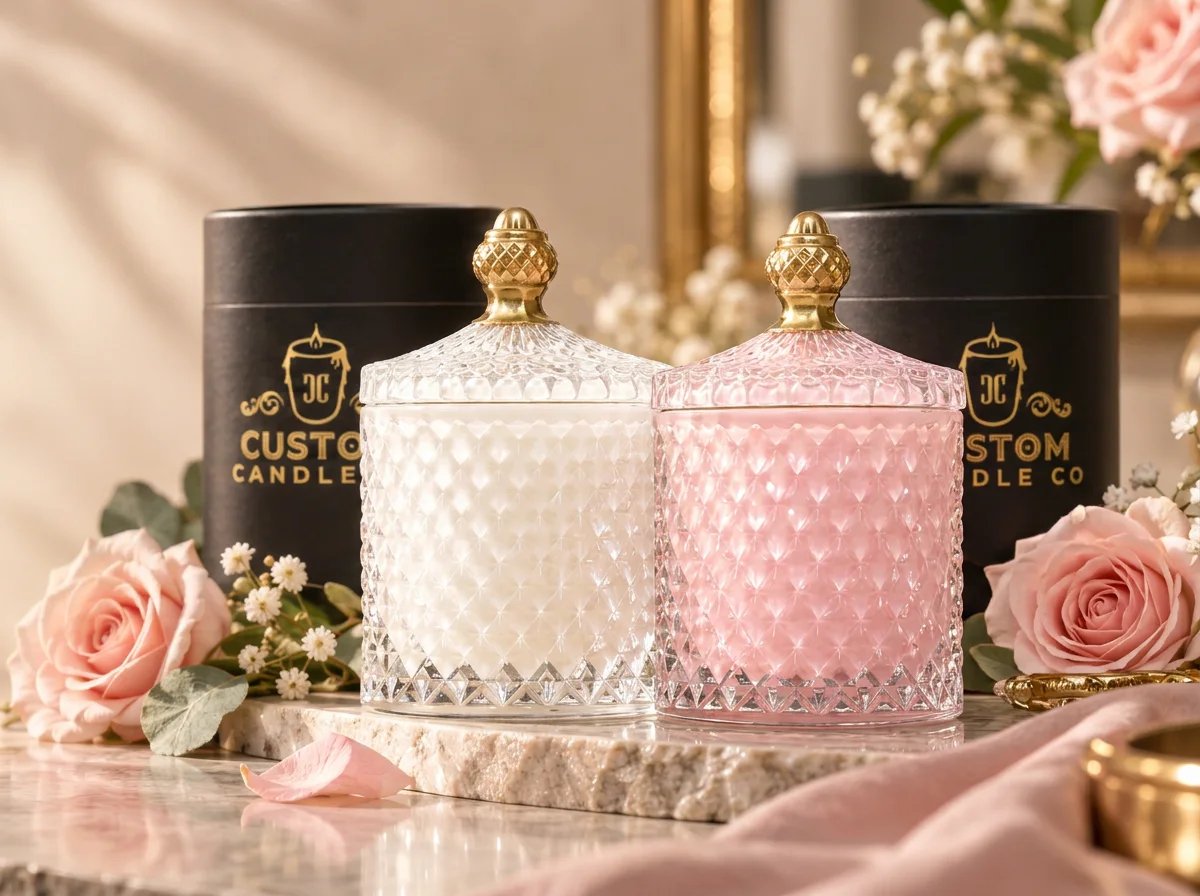
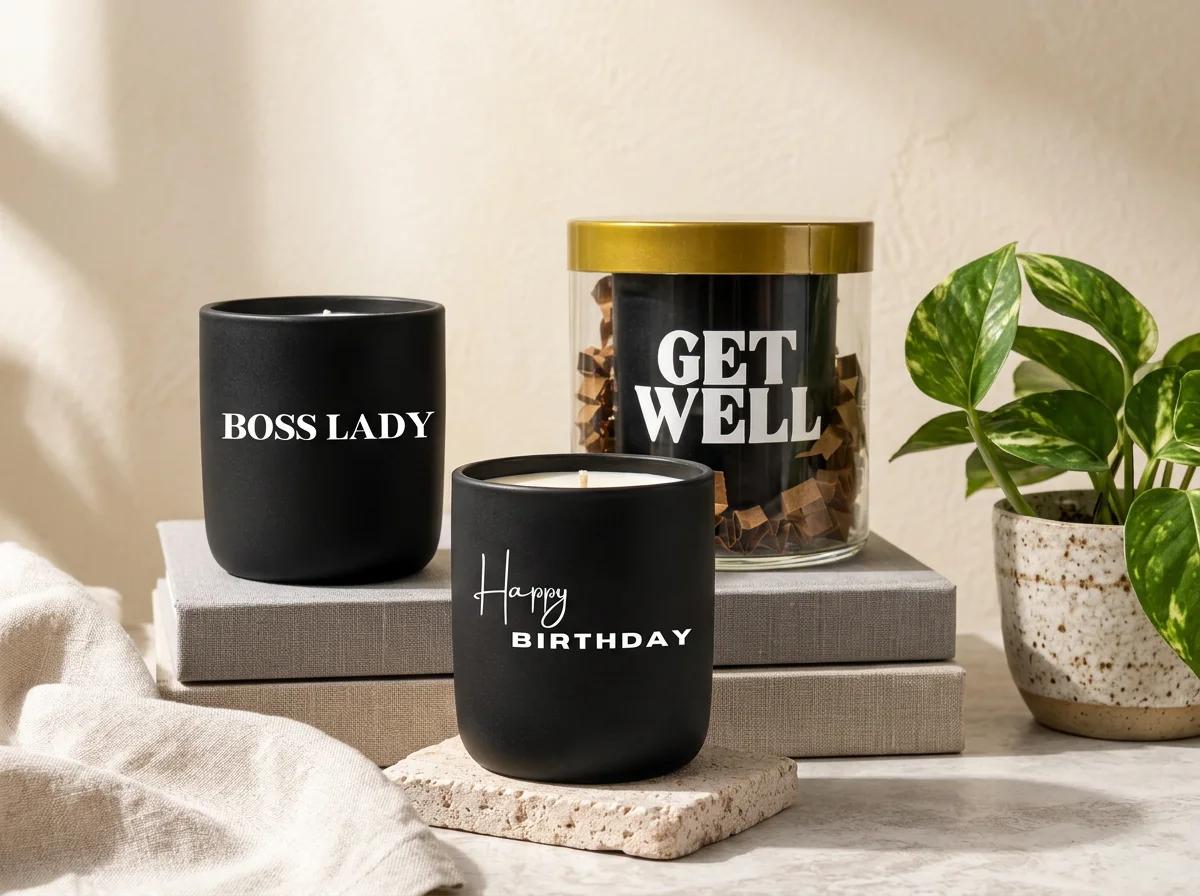
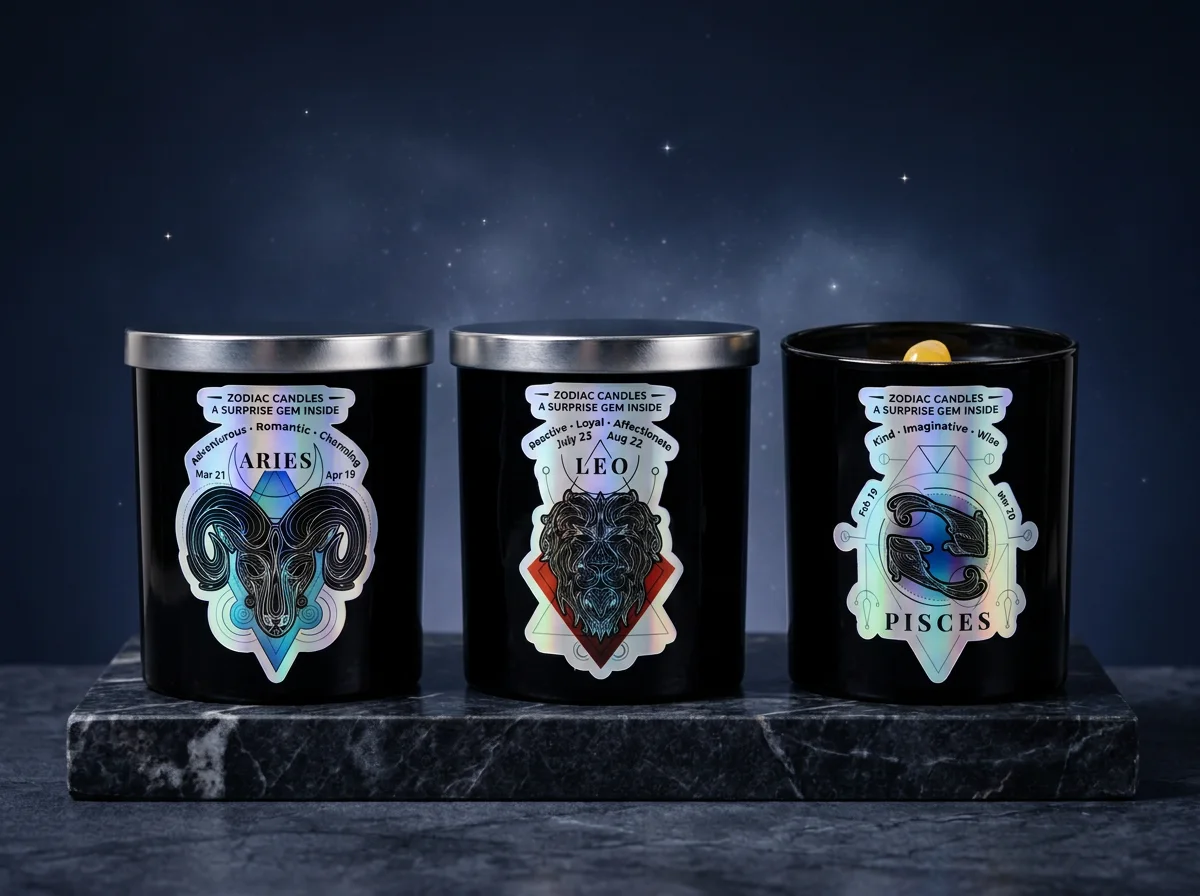
- Display candles. A beautifully printed candle, such as a photo or message candle, can sit on a shelf as decor and a keepsake without ever being lit.
- Gift candles. If the recipient has sensitivities, a keepsake they can display is thoughtful. Ask them first about scent preferences.
- Unscented or very light choices. The American Lung Association’s advice to choose fragrance-free products points the same way for people who react strongly.
The point is that a candle can serve as a memento and a design piece, not only a scent source.
Our perspective
We make personalized candles, so we think about this question a lot: how do you give someone something meaningful that does not make their day worse?
Our view is that the best candle for a sensitive household is one where you know what went into it and chose it on purpose. Every candle we pour is made with phthalate-free fragrances and lead-free wicks, and every order is proofed by hand before it ships. That does not make any candle a guarantee against irritation, and we would never say it does. Scent sensitivity is personal. What it does mean is that the ingredients we control are chosen with care, and that you can ask us what is in your candle before you commit.
Personalization helps here too. When you design the candle yourself, you decide the label, the message and the packaging, and you can think through the scent for the specific person and room. A photo candle on a bookshelf, a name on a wedding favor or a quoted candle for a friend can mean as much as the fragrance does, and sometimes more.
If you or the person you are buying for reacts to scent, start small, ventilate well and choose lightly. That is how we would do it in our own homes.
Jake
Make a candle that fits your household
If you want a candle you can design around your own preferences, our Customize a Candle page lets you choose wax, scent, label and packaging. Everything is hand-poured soy with phthalate-free fragrance and lead-free wicks, proofed by hand before shipping, and personalized orders ship within two days. Every order includes keepsake packaging and a handwritten gift card.

Planning for a wedding or a group? Our weddings and favors options start at $18 per candle, and corporate and client gifting starts at $22 per candle. Boxed gift sets start at $48. If you have a specific sensitivity in the guest list, message us before you order and we will help you think through the scent.
FAQ
Are there truly hypoallergenic candles?
No candle can be guaranteed to cause no reaction, and “hypoallergenic” is not a regulated promise for candles. Fragrance mixtures are complex, and even ingredients that look harmless on a label can change over time, as the 2024 contact allergy review explains. Look for lighter scents, ask about ingredients, and test a small burn first.
Can soy candles cause allergies?
It is possible, but the wax is rarely the main issue. The British Candles Association points to fragrance ingredients as the likely chemical concern for sensitization, regardless of whether they are natural or synthetic. If you have a diagnosed soy allergy, check with your allergist before burning one.
What are the best candles for a sensitive nose?
The best choice is the one with the lightest fragrance that you already know you tolerate. The American Lung Association recommends fragrance-free products for people who are sensitive, and the National Candle Association advises avoiding scents that you know bother you. Ventilation matters as much as the candle itself.
Why do candles give me a headache or make me cough?
Strong fragrance can irritate the nose, throat and lungs, and airborne chemicals can set off headaches or coughing in sensitive people. Poor ventilation raises the dose. Put out the flame, air out the room and avoid that scent next time. If the symptoms are frequent or involve wheezing, see your doctor.
Sources
- What is a Sensitivity to Scents? Asthma and Allergy Foundation of America
- Fragrances, American Lung Association
- FAQs, National Candle Association
- Are Candles Bad for You? Cleveland Clinic
- How to Keep Holiday Scents From Causing Asthma Attacks, Cleveland Clinic
- Scented candles and air pollution, National Geographic
- Candles Advice Pack 2024, British Candles Association
- Fragrance Contact Allergy: A Review Focusing on Patch Testing