





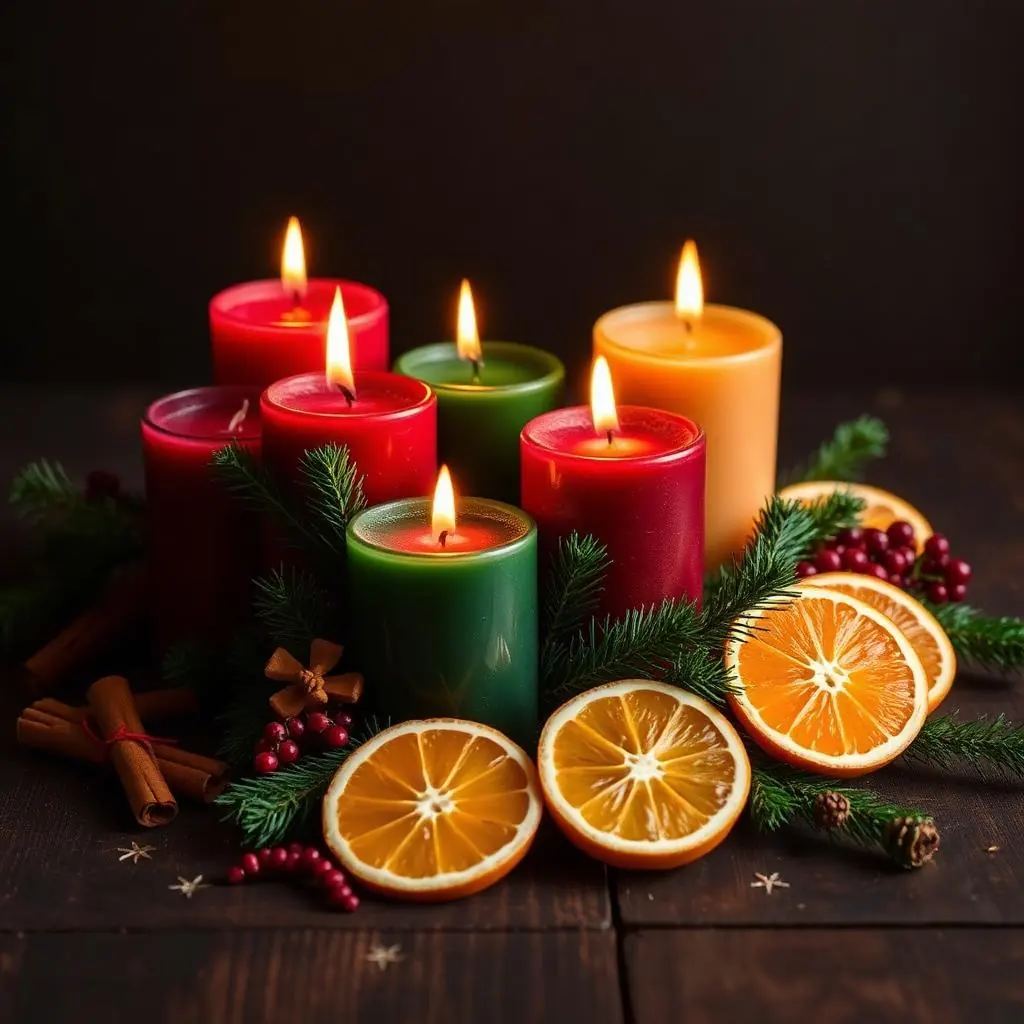
5–10 Minute Ritual: Choose a Clean Burning Meditation Candle

Yes, a candle can genuinely deepen meditation, and for most people the simplest safe choice is an unscented or lightly scented beeswax or soy container candle with a lead-free wick. Set it about two feet away at eye level, soften your gaze, breathe slowly, and sit for a short, manageable period suitable for beginners. Keep it on a stable, uncluttered surface and never walk away while it burns.
TL;DR:
- Unscented or lightly scented beeswax and soy candles are safest for meditation because they burn cleaner and produce less soot and toxic compounds.
- Using a lead-free wick and trimming it regularly reduces soot, smoke, and soot emissions during long, breath-focused sessions.
- Scent selection can influence mood quickly, with lavender calming and frankincense deepening introspection, but sensitivities may require unscented options.
- Starting with five to ten minutes and gradually increasing session length helps train the eyes and attention without discomfort.
- Early research indicates that candle gazing improves focus, attention, and cognitive flexibility after single or sustained sessions, though definitive proof remains limited.
Table of Contents
- What candle meditation (trataka) is and why it helps
- Choosing candle materials and wicks for a clean burn
- Matching scent, vessel, and burn time to your intention
- How to set up and run a candle meditation session
- A simple, safe DIY meditation candle you can make at home
- Safety, burn best practices, and troubleshooting
- How to cleanse and charge a meditation candle before use
- Combining meditation candles with crystals, incense, and other tools
- Why professionally proofed candles matter for a reliable practice
- Find a meditation candle built for your ritual
- FAQ
- Sources
What candle meditation (trataka) is and why it helps
Candle meditation ranges from a soft visual anchor, where you simply rest your gaze near the flame while breathing, to trataka, a classical yogic practice of steady, unblinking gazing at a fixed point. Both use the same flame but ask different things of your eyes and attention.
Three things seem to make it work:
- Visual anchor: a single, gently moving point of light gives a wandering mind something steady to return to.
- Scent-to-limbic effect: fragrance molecules reach brain regions tied to mood and memory faster than most other senses, so a chosen scent can shift your state quickly.
- Ritual conditioning: lighting the same candle before every session trains your nervous system to associate the smell and glow with settling down.
The research on trataka itself is still early but promising. One study found that a single trataka session produced immediate improvements in selective attention and cognitive flexibility, measured by faster, more accurate performance on the Stroop color-word test compared with a control group, a measurable boost after one session. A separate body of work, including month-long interventions in older adults, found that sustained trataka practice improved attention and executive function over time. Neither study proves the practice cures anything, but both point to a real, trainable effect on focus.
Choosing candle materials and wicks for a clean burn
What the candle is made of matters more during meditation than during everyday use, because you are breathing near it for minutes at a time. Beeswax and soy are generally the better picks here: both burn cleaner than paraffin, which can release toluene and benzene, compounds linked to respiratory irritation. Rapeseed and olive wax blends sit in a similar clean-burning category and are worth considering if you want something less common.
- Beeswax: burns slowly, has a naturally warm scent, and produces very little soot.
- Soy: burns cooler and cleaner than paraffin, holds fragrance well, and is widely available in container candles.
- Rapeseed or olive blends: comparable clean-burn profile to soy, often used in smaller artisan batches.
- Paraffin: cheap and widely used, but the least suitable choice for breath-focused practice.
Wick choice shapes the experience almost as much as the wax. A standard cotton wick gives a quiet, steady flame that is easiest to gaze at without distraction. A wooden wick crackles softly as it burns, which some practitioners use as an extra auditory anchor, a detail worth exploring in wooden-wick candle options if a multisensory cue appeals to you.
Before buying, check the label for two things: lead-free wicks and phthalate-free fragrance oils. Lead-cored wicks were banned from the consumer market, and current safety guidance still recommends verifying that wicks are lead-free and fragrances are phthalate-free, since both reduce the toxic load you inhale during long, close-range breathing sessions.
Pro Tip: If you’re sensitive to smoke or soot, trim the wick before every burn. A longer wick means a bigger flame, more soot, and more smoke drifting toward your face.
Matching scent, vessel, and burn time to your intention
Scent is a shortcut to state of mind, since fragrance is routed directly to the brain’s limbic system, giving smell a faster and more direct pull on mood than sight or sound, according to one explainer on candle meditation. That makes scent selection a practical tool, not just a preference.
- Lavender: calming, a reliable choice for winding down or easing anxiety before sleep.
- Frankincense: associated with depth and introspection, often used for longer, quieter sits.
- Sandalwood or vetiver: grounding, useful when your mind feels scattered or anxious.
- Eucalyptus or bergamot: clarifying and mood-lifting, better suited to morning sessions or focus work.
Essential-oil-based candles tend to carry a truer, more consistent scent than synthetic fragrance blends, though anyone with allergies or sensitivities should patch-test or choose unscented first. Letting the candle burn for two to three minutes before you start allows the scent to bloom and gives you a built-in transition ritual rather than diving straight in.
Vessel and size matter too. A glass container lets you see the full flame and melt pool, which helps with gazing practice, while a matte ceramic vessel softens the light for a quieter, less visually busy space. For a five-minute sit, a tealight is plenty. For twenty minutes or longer, choose a medium or large jar candle so the flame stays steady and you are not relighting mid-session.

How to set up and run a candle meditation session
A good setup takes less than five minutes and makes the rest of the practice far easier.
- Place the candle on a stable, heat-safe surface, roughly one to two feet from where you’ll sit, at eye level.
- Dim the room lights so the flame is the brightest point in your field of view, but not so dark that you strain to see it.
- Light the candle and let it burn for two to three minutes so the scent can bloom and the flame settles.
- For a soft anchor session, sit comfortably, let your gaze rest gently near the flame without forcing stillness, and breathe slowly for five to ten minutes.
- For a trataka-style session, start with a few seconds of eye exercises, focusing near and far, then gaze steadily at the flame for 30 to 60 seconds at a time, blinking when needed, and close your eyes between rounds to visualize the afterimage.
- Build up gradually. Beginner guidance generally recommends starting at five to ten minutes and working up to 15 to 20 as your eyes adjust.
- If your eyes water, sting, or your nose feels irritated, stop, blow out the candle, and switch to the soft anchor method or a shorter session next time.
Pro Tip: Use the same candle and scent for every session if you can. Repetition is what turns a nice ritual into a fast-acting cue for your nervous system to settle.
A simple, safe DIY meditation candle you can make at home
Making your own candle is straightforward if you keep the process simple and the ingredients clean.
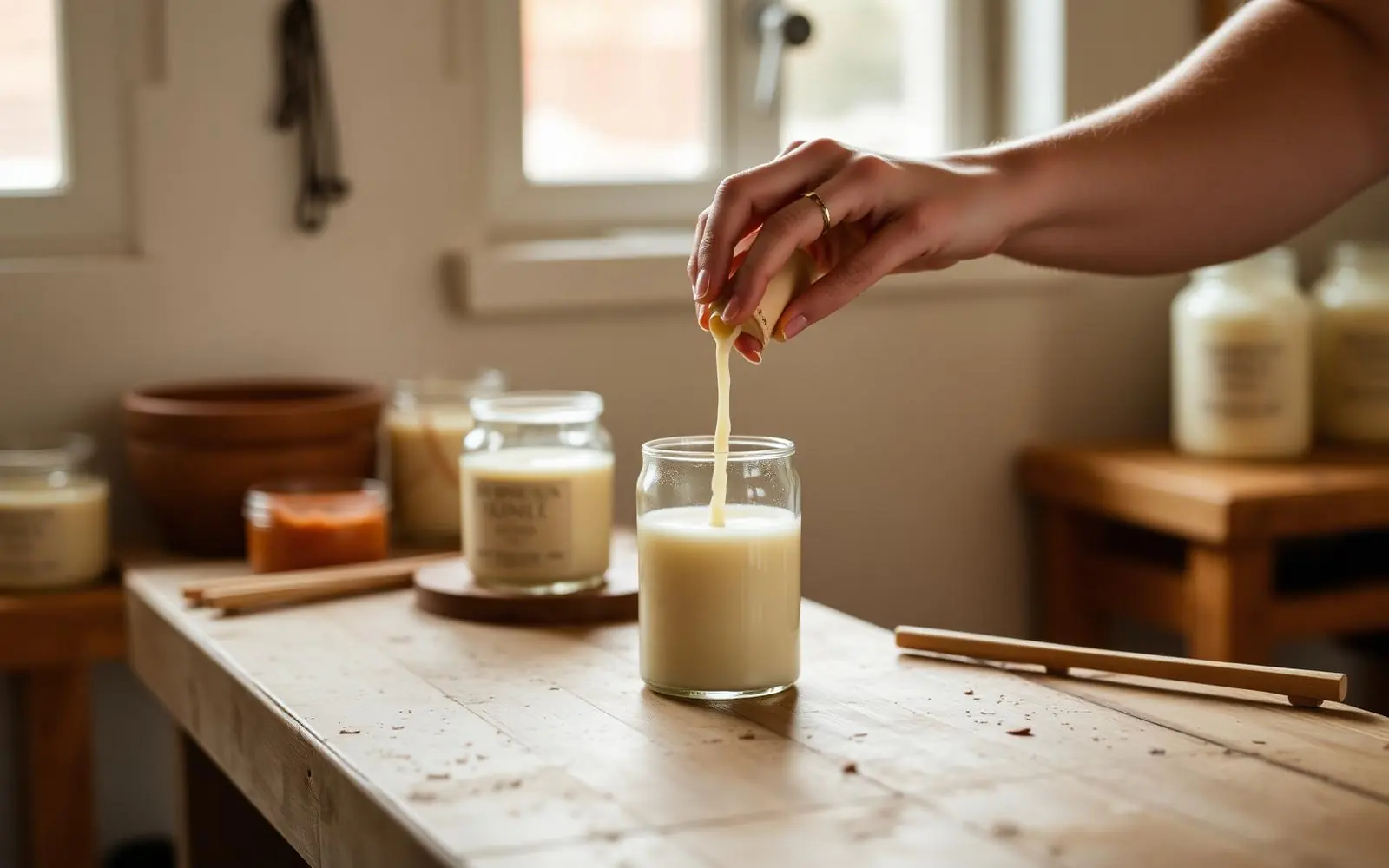
You’ll need soy or beeswax, a lead-free wick, a heat-safe vessel, an optional essential oil, a thermometer, and a double boiler.
- Measure your wax and melt it slowly in the double boiler to the temperature recommended on the wax packaging, usually between 160 and 185°F depending on the type.
- If using fragrance, add essential oil below its flash point, generally once the wax has cooled slightly from pouring temperature, then stir gently.
- Pour the wax into your vessel with the wick centered and held straight, then let it cool undisturbed for several hours.
- Cure the candle for about one to two weeks before the first burn to let the scent fully settle into the wax.
- On the first burn, let the candle burn long enough to melt wax all the way to the edges of the container, which prevents tunneling later.
- Label the candle with its scent and ingredients, and do a small skin or sniff test first if you have known sensitivities.
Safety, burn best practices, and troubleshooting
A candle meditation practice is only as good as the habits around it.
- Keep the candle at least one foot from anything flammable, on a sturdy, uncluttered surface, per NFPA safety guidance.
- Never leave a burning candle unattended, and never meditate with one near a bed where you might fall asleep.
- On the first burn, let the wax melt fully to the edges before extinguishing, which helps prevent tunneling on future burns.
- Trim the wick to about a quarter inch before each burn to keep the flame small, steady, and low in soot.
- Limit continuous burns to roughly four hours at a time, then let the candle cool before relighting.
- If the flame sputters or produces visible soot, the wick is likely too long or the room has a draft. Trim it and move the candle away from vents.
- A mushroom-shaped wick tip usually means carbon buildup. Trim it back and the next burn should be cleaner.
For deeper care guidance between sessions, soy candle maintenance tips cover how to extend burn life and avoid common wax problems.
How to cleanse and charge a meditation candle before use
Many practitioners treat a new candle the way they would a crystal or a meditation cushion: as an object worth preparing before it enters a ritual. There is no scientific mechanism behind this, but the practice itself can be useful as a mental cue that signals “this session starts now.”
A simple approach is to hold the unlit candle for a moment, set an intention for the session in a sentence or two, either silently or aloud, and then light it as the formal start of your practice. Some people pass the candle briefly through incense smoke first, treating the smoke as a symbolic clearing of whatever energy the candle absorbed before reaching them. Others simply place it near a window for natural light for an hour before first use.

None of this changes the wax or the wick, but the consistency matters more than the specific method. Choosing one small cleansing or charging ritual and repeating it every time you light a new candle reinforces the same conditioning effect that makes trataka practice build over time: a repeated cue tells your nervous system what’s coming next. If you want a candle built specifically for this kind of intention-setting, intention-focused candle collections are designed with ritual use in mind rather than general home fragrance.
Combining meditation candles with crystals, incense, and other tools
A candle rarely has to work alone. Many meditation setups layer a flame with one or two other sensory anchors, as long as the combination doesn’t crowd the space or create competing distractions.
Crystals are a common pairing, placed near the candle rather than touching it, chosen for whatever quality the practitioner associates with them, such as calm, clarity, or grounding. A practical guide to crystals in meditation walks through common choices if you want to build out a small altar space around your candle.
Incense is another frequent pairing, though burning it alongside a scented candle can quickly become too much for the nose. If you want both, consider an unscented candle with a lightly scented incense, or vice versa, so the two don’t compete. Soft instrumental sound or a singing bowl can round out the setup, but the goal is always the same: one primary anchor, with anything else kept quiet enough that it supports rather than distracts from the flame in front of you.
Why professionally proofed candles matter for a reliable practice
A candle you breathe near for ten or twenty minutes at a stretch should meet a higher bar than one you light for a few hours of background scent. Candle makers aiming for breath-focused sessions often use phthalate-free fragrances and lead-free wicks to reduce inhaled toxins near the flame. Hand-proofing each order for print and label accuracy before shipping can help quality control, supporting consistent scent strength and burn characteristics from one candle to the next, the kind of consistency that ritual conditioning depends on.
Find a meditation candle built for your ritual
If you’ve read this far, you already know that the right candle for meditation is clean-burning, honestly labeled, and consistent enough to use the same way every time. A focus is on soy candles made with phthalate-free fragrances and lead-free wicks, often hand-proofed before shipping.

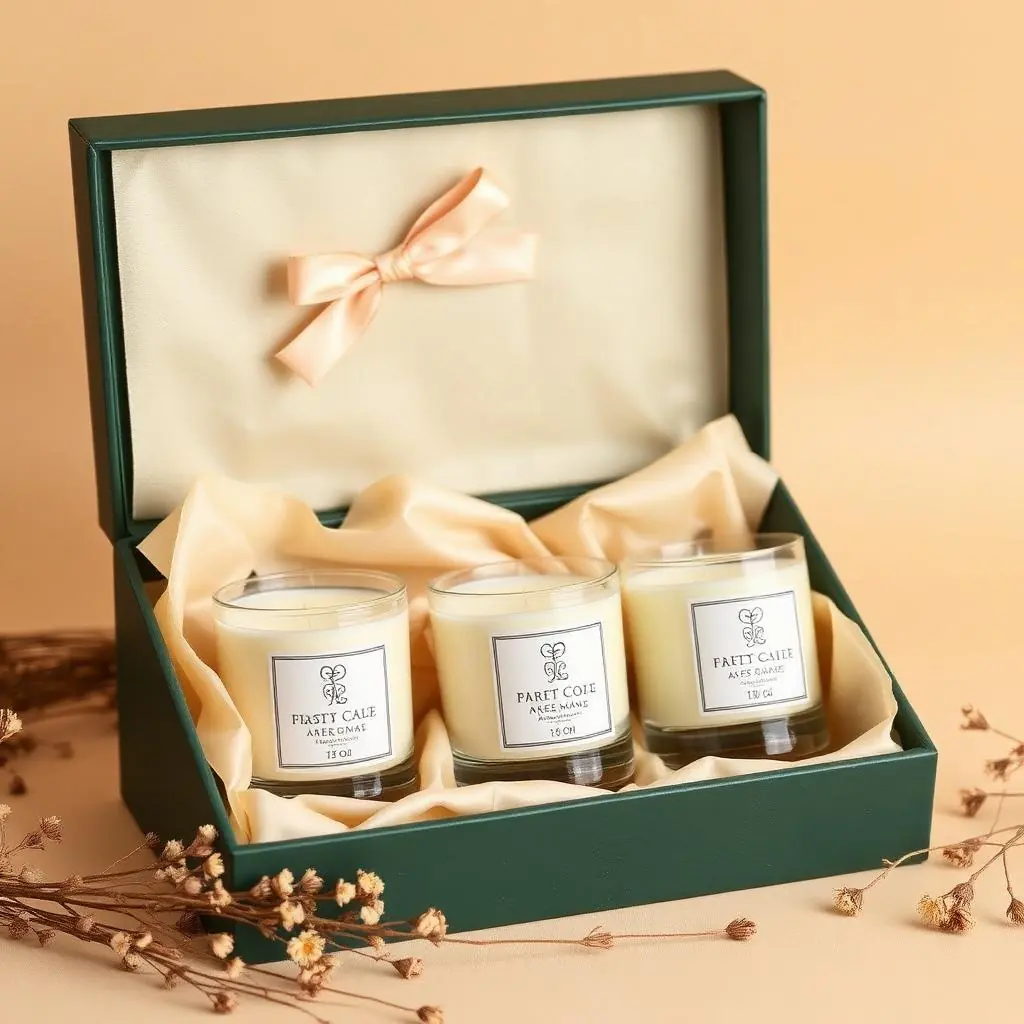
We offer personalized options if you want a candle that feels like it’s genuinely yours, from a custom-labeled candle with your own words or photo to a fully customizable wax, scent, and label combination built around the intention you’re trying to hold. For anyone starting a new ritual practice or picking a thoughtful gift for someone building one, our personalized soy candles ship within two days, with keepsake packaging and a handwritten card included as standard. Browse our gifting collection to see sets built for exactly this kind of occasion.
FAQ
What are the best candles for meditation?
Unscented or lightly scented beeswax or soy container candles with a lead-free wick are generally the best choice, since they burn cleaner than paraffin and produce less soot and fewer irritants. Scent can be added to match your intention, with lavender for calm, frankincense for depth, and sandalwood for grounding being common picks.
What is the 8:10 rule for candles?
Common candle-care advice recommends trimming the wick to about a quarter inch before each burn and limiting continuous burn time to roughly four hours at a time. It is not a formal regulatory standard, but following these helps prevent uneven burning, excess soot, and wick mushrooming.
How long should a meditation candle session last?
Beginners typically start with five to ten minutes and gradually work up to 15 to 20 minutes as their eyes and attention adjust, based on common trataka practice guidance. There’s no fixed ceiling, and many experienced practitioners sit longer once the practice feels comfortable.
Is candle gazing (trataka) backed by research?
Early research suggests it is. One study found immediate improvements in attention and cognitive flexibility after a single trataka session, measured through the Stroop test, while other work found improved attention and executive function after sustained practice over several weeks. These findings are promising but still limited, so they support cautious optimism rather than any guarantee.
Are Custom Candle Co candles safe to use for meditation?
Yes, every candle we make uses phthalate-free fragrances and lead-free wicks, and each order is hand-proofed before shipping to confirm quality and consistency. We also offer pet-safe options for households that need to verify essential oil content before lighting a candle at home.
Sources
- Immediate effect of yogic visual concentration (trataka) on cognitive performance — PMC
- Candle safety tips — NFPA
- Types of candles for meditation — Root & Still