


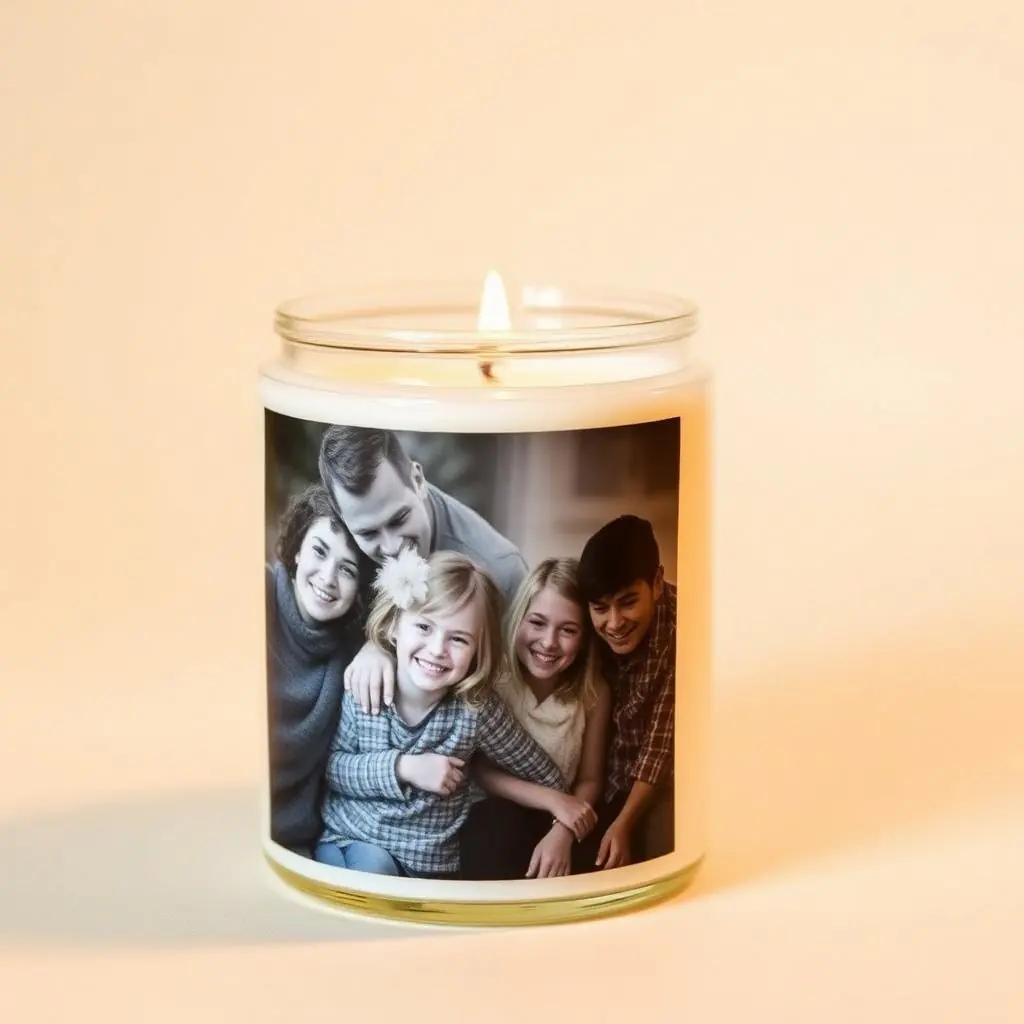
Soy Candle Burn Time: How Long They Really Last

A soy candle burns for as many hours as its wax, wick and your burning habits allow: the amount of wax sets the ceiling, the wick sets the pace, and how you burn it decides how much of that ceiling you reach. A small, well-made soy candle can last a few weeks of evening use, and a large one can last a season. The useful number is not a promise on a label. It is the number of hours you get from your own candle, and you can work that out in about two minutes.
This guide is for people choosing a candle as a gift, a wedding favor, a pet-friendly home accent or a keepsake. It explains what burn time means, what changes it, how to estimate it, and how to stretch it.
TL;DR
- Burn time is the total hours a candle burns from first light to last flicker. It depends mostly on wax weight, wick size and fragrance load.
- Soy wax melts at a lower temperature than many other waxes, so soy candles often burn at a steady, economical pace.
- To estimate your hours, divide the wax weight by how fast your candle burns, which you can measure with a kitchen scale.
- Burn in sessions long enough for the surface to melt edge to edge, and trim the wick before each light. That is how you get the most hours and the cleanest burn.
- For a personalized gift, pick the size by how it will be used: a daily candle needs more wax than a favor or a keepsake.
Table of Contents
- What burn time actually means
- Why soy wax tends to burn slowly and evenly
- The five things that set burn time
- How to estimate your candle’s burn time
- How to make a soy candle last longer
- Choosing the right size for the way it will be used
- Safety: burn time is not the same as safe time
- Why a hand-proofed personalized candle is a good place to start
- Our view on burn time
- FAQ
- Sources
What burn time actually means
Burn time is the total number of hours a candle burns from the first light to the last flicker. A candle listed at 40 hours is not one that burns for 40 hours straight. It is the sum of every session, from the first evening to the last bit of wax in the jar.
Two things make the number approximate. First, makers usually test under controlled conditions, in still air, at a steady room temperature. Your living room has drafts, ceiling fans and open windows. Second, burn time is affected by how you burn: short sessions waste wax, and sessions that run too long overheat it.
So treat any published figure as a good estimate, and use the method below to find your own.
Why soy wax tends to burn slowly and evenly
Soy wax has a lower melting point than many other candle waxes. The pool of liquid wax around the flame stays cooler, so the candle consumes less fuel each hour. That is why soy candles are often described as long burning, and why many people choose them for everyday use.
The cooler pool has a second effect that gift-givers should know about: it releases fragrance gently rather than aggressively. The result is a softer, rounder scent that fills a room gradually. If you want to understand how soy compares with other waxes in more depth, our soy versus paraffin test walks through the comparison, and beeswax versus soy helps if you are weighing natural waxes.
One point of honesty about labels: not every candle sold as soy is made of soy alone. If a candle matters to you for its ingredients, read the product page for what the maker says about the wax, fragrance and wick.
The five things that set burn time
1. Wax weight and container size
This is the biggest factor. More wax means more hours, all else being equal. A candle is sold by net weight in ounces or grams, and that weight, not the height of the jar, tells you how much fuel you have. A tall, narrow jar and a short, wide jar can hold the same weight of wax and have very different shapes.
Width matters in a second way. A wide candle needs a wider melt pool and a bigger flame to burn properly, so it consumes wax faster per hour. A narrow candle burns slower per hour. Our candle size guide lays out the sizes with typical burn times and care tips, which is the quickest way to compare options before you order.
2. The wick
The wick controls the flame, and the flame controls how fast the wax is used. A wick that is too small gives a weak flame that drowns in its own wax and tunnels down the middle, leaving a wall of unused wax on the sides. A wick that is too large burns hot, smokes, and uses wax quickly.
Wick material matters too. Cotton wicks are known for a steady, clean flame, and our pages on cotton wick benefits and our wood versus cotton wick test explain how each behaves. Our candles use lead-free wicks, and we explain why wick testing leads to less soot and better scent in our piece on hand-poured candles.
3. Fragrance load
Fragrance oil is added to the wax in a set percentage. Fragrance and dye change how the wick performs, because oils differ in how they burn. A heavily scented candle can burn hotter or weaker than an unscented one in the same jar, which is why makers match the wick to the specific scent rather than reusing one wick for everything. For you as a buyer, the takeaway is simple: two candles of the same size and wax can have different burn times if their scents differ.
4. Your burning habits
Habits can add or subtract a large share of the hours. Burning for a few minutes at a time never lets the surface melt fully, which leads to tunneling and leaves wax behind. Burning for many hours at a stretch overheats the jar and the wax. The common guidance is to burn in sessions of a few hours, up to about four at a time, and to let the candle cool fully before relighting. Our candle care guide has the full routine.
5. The room
Drafts make a flame flicker and lean, which burns one side faster and can cause uneven pools and soot. A candle on a stable, level surface in a still corner will last longer and look better than one on a windowsill beside a vent.

How to estimate your candle’s burn time
You do not need a lab. You need a kitchen scale, a timer and one test burn.
- Weigh the candle before lighting. Note the weight of the whole candle, jar included, in grams.
- Burn it for a full session. Use a normal session of two to four hours, long enough for the melt pool to reach the edges. Note the time exactly.
- Let it cool and weigh it again. The difference is the wax you burned.
- Work out the burn rate. Divide the grams burned by the hours burned.
- Divide the usable wax by the burn rate. The usable wax is the wax weight printed on the label, minus a little that stays on the jar walls.
Worked example. Say a candle holds 226 g of wax (8 oz). You burn it for three hours and it loses 18 g. The burn rate is 18 divided by 3, which is 6 g an hour. Dividing 226 by 6 gives about 38 hours. Subtract a few hours for the wax that stays at the bottom and sides, and plan on roughly 35 hours. These numbers are only an illustration of the arithmetic, so use your own readings.
A useful side effect: if your burn rate looks very high compared with what the size guide suggests, the cause is usually a draft, an untrimmed wick or a very long session. Fix those and measure again.
How to make a soy candle last longer
These steps work on any well-made candle and cost nothing.
- Trim the wick before every light. Keep it short, about a quarter inch. A long wick makes a tall flame that burns wax fast and leaves soot on the glass.
- Let the first burn go all the way across. On the first light, burn until the melted pool reaches the edge of the jar. This sets a “memory” so later burns stay even and do not tunnel.
- Keep sessions in a sensible range. Aim for a few hours at a time, not minutes, and not all day.
- Center the wick. If the wick leans, gently straighten it while the wax is liquid after you have extinguished the flame.
- Keep it out of drafts. Away from fans, vents and open windows.
- Extinguish it safely. Use a snuffer or gently dip the wick in the wax and straighten it, so smoke and mushrooming are kept low.
- Keep the surface clean. Remove wick trimmings and debris from the wax before lighting.
- Stop before the last half inch. Do not burn to the bottom. The jar gets too hot, and a thin layer of wax is a good time to retire the candle.
If wax ever gets on fabric or furniture, our wax removal guide shows how to deal with it.
Choosing the right size for the way it will be used
Burn time only matters in relation to what the candle is for. Here is how the main uses compare.
| Use | What matters most | What to look for |
|---|---|---|
| Daily home candle | Total hours | A larger wax weight and a wick matched to the jar |
| Gift for a friend or family member | Presentation and a pleasant first burn | Personalized label, a size that suits a nightstand or desk |
| Wedding or event favor | Many small candles at a steady cost | A small size that burns cleanly for several evenings |
| Keepsake with a photo | Print quality over burn hours | A label that will look good on a shelf, burned or not |
| Pet-friendly home | Ingredient safety | Phthalate-free fragrance and lead-free wick |
A keepsake is a good example of burn time not being the point. People often keep a photo candle on a shelf and light it on anniversaries, so a candle that lasts a year of occasional burns is exactly right.
Safety: burn time is not the same as safe time
A long burn time never means you can leave a candle unattended. Keep flames away from anything flammable, away from children and pets, and put the candle out when you leave the room or go to sleep.
Candle safety labels are also regulated in places. In Europe, the standard EN 15494 sets out the safety symbols and warning texts for indoor candles, which is why you see small pictograms on candles sold there. Whatever country you are in, read and follow the warnings on the candle you buy.
If you share your home with a cat or dog, ingredients matter as much as flame safety. Our candles use phthalate-free fragrances and lead-free wicks, and pet owners can verify the essential oil content of a candle. Our guide for cat owners goes into more detail, and our page on soy wax candles and non-toxic ingredients explains what goes into the candle. If a pet has had a reaction to a scent or shows any sign of illness, call your veterinarian.

Why a hand-proofed personalized candle is a good place to start
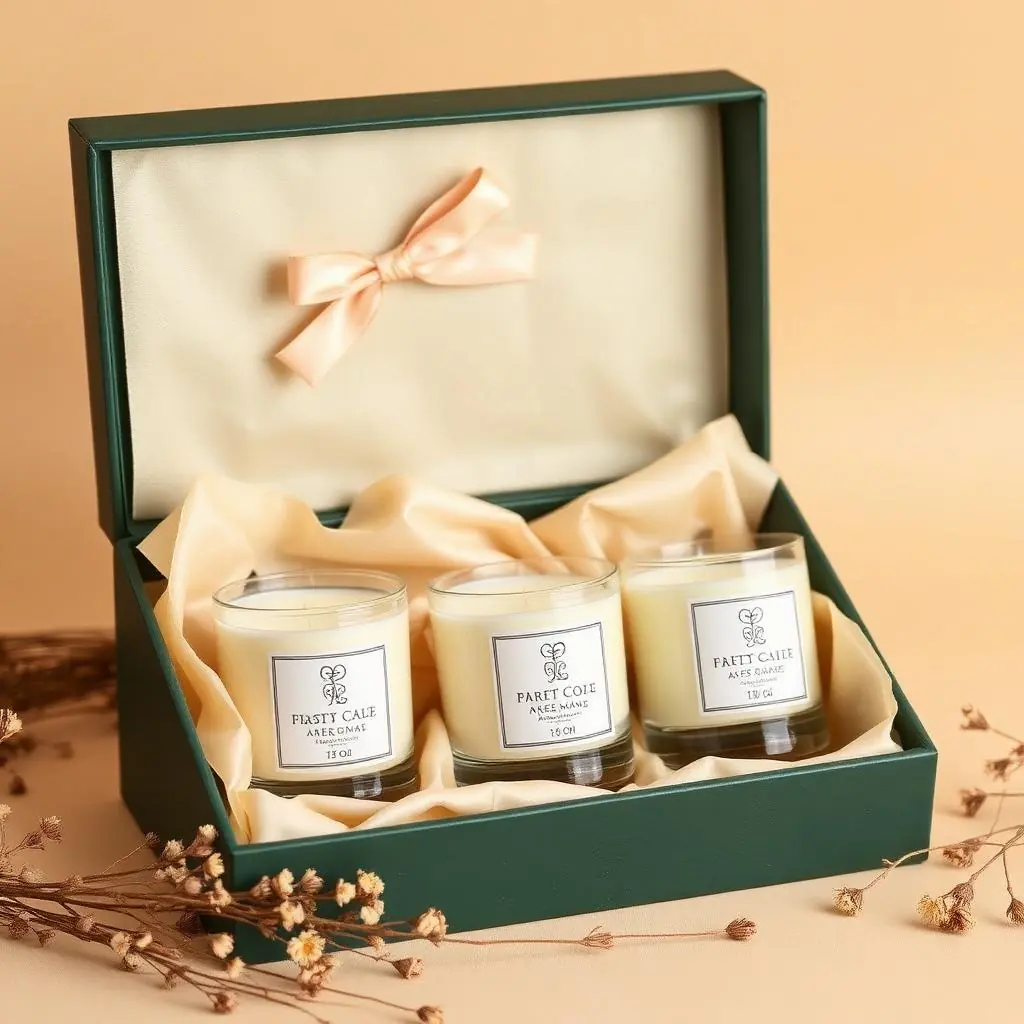
We pour every candle by hand and proof each one for print and presentation quality before it ships, so the label you designed arrives looking the way you imagined it. Personalized orders ship within two days, and every order comes with keepsake packaging and a handwritten gift card as standard.
If you are choosing by size and burn time, start from the candle size guide, then personalize the candle that fits. You can add a photo or custom text to a personalized soy candle, choose wax, scent, label and packaging with the candle customizer, or browse photo candles printed on soy jars.
For weddings and events, our gifting page lists wedding favors from $18 per candle, corporate and client gifts from $22 per candle, and boxed gift sets from $48.

If you want a candle in the style of a wedding, our wedding candle collection is the place to look.
Our view on burn time
Most people ask about burn time because they want to know whether a candle is worth what they are paying. We think the better question is how well the candle burns, because hours on a label mean little if the candle tunnels, smokes or loses its scent halfway down.
That is why we proof every candle by hand, use lead-free wicks and phthalate-free fragrances, and pour in soy. A candle that burns evenly gives you every hour of the wax you paid for, and a clean flame is kinder to the room, the people and the pets sharing it.
For a gift, we would always choose the candle that suits the moment over the one with the biggest number. A photo candle for an anniversary is lit a handful of times and remembered for years. A wedding favor is lit on the first quiet evening after the party. Pick the size for that story, trim the wick, let the first burn reach the edges, and the hours will take care of themselves.
Jake
FAQ
How long do soy candles burn?
It depends on the wax weight, the wick and how you burn it. Small candles last for a number of evenings, while large ones can last for weeks of regular use. Divide the wax weight by your measured burn rate to get a number for your own candle.
How long should I burn a soy candle at a time?
Burn it long enough for the melted wax to reach the edge of the jar, usually a couple of hours for a small candle, and do not go beyond about four hours in one sitting. Let it cool fully before the next light.
Do soy candles burn longer than other candles?
Soy wax melts at a lower temperature, so a soy candle often uses its wax at a slower pace. The result still depends on the wick, the fragrance and the size of the jar, so compare candles by wax weight and care for them well.
Does a personalized label change the burn time?
No. The label is printed on the outside of the jar, so the hours come from the wax, wick and fragrance inside. We proof each label by hand so that it looks right on the shelf.
How can I make my candle last longer?
Trim the wick to about a quarter inch before each light, let the first burn reach the edges, keep the candle out of drafts and burn it in sessions of a few hours. Our candle care guide covers the routine.