






Shipping Candles in Heat: How to Keep Them Intact

Most finished container candles survive a hot delivery, but soft waxes and wax melts can slump, sweat or lose their shape. Three things decide the outcome: the wax, the time the box spends in transit, and how the box is packed. You control all three. Ship early in the week, pay for a faster service in summer, keep the jar upright and snug, and add insulation when the route is long or the destination is hot.
This guide covers why heat is a problem, which waxes soften first, how to pack, when to ship, and what to do if a candle arrives soft. It also covers gifts you send to someone else, because that is where most of our customers are shipping.
TL;DR
- Delivery trucks and vans get far hotter than the outdoor air, so a box can see temperatures above the point where soy wax softens.
- Soy and coconut waxes soften first, paraffin is more heat tolerant, and beeswax has the lowest summer risk.
- Ship Monday through Wednesday, choose a faster service in summer, and add a cold pack in an insulated liner for long or hot routes.
- Pack each candle upright and individually wrapped, with a cushion of about 2 inches on every side, and do the shake test before sealing.
- A candle that sweated or softened usually firms up again indoors at a normal temperature. Let it settle before you light it.
Table of Contents
- Why heat is a problem in transit
- Which waxes soften first
- Packing a candle for a hot trip
- Timing and carrier choice
- Shipping candles internationally in the heat
- What if a candle arrives soft or melted?
- Choosing products that travel well
- Our perspective
- Send a personalized candle with care
- FAQ
- Sources
Why heat is a problem in transit
The air temperature on the forecast is not the temperature your candle experiences. According to one shipping guide, a vehicle parked in direct sun can reach 130 to 150°F inside. Another puts the interior of a delivery truck in direct sun in cities like Phoenix, Miami or Houston at 140 to 160°F in summer. Mailboxes, porches and loading docks add more hours of exposure.
Wax softens well before it is a puddle. A candle in a jar does not have to melt completely to arrive looking wrong. Finished container candles rarely melt fully, but soft waxes and wax melts can deform in summer heat. The usual damage looks like this:
- The surface slumps or goes uneven.
- Oil beads on the top (“sweating”).
- The wax pulls away from the glass, leaving wet spots.
- On a candle that traveled on its side, wax runs toward one edge or sticks to the lid.
- Wax melts lose their sculpted detail.
Glass adds a second risk. Rapid temperature swings can cause surface cracks, wet spots and detached wax pools, and glass is also the most fragile container. Heat and breakage planning go together.
Does a hot car or truck always ruin a candle?
No. One supplier notes that a candle in a jar usually survives softening and sets again, but its top may need refinishing. The goal of good shipping is that the recipient opens a box and sees a candle that looks the way it did when it left the studio.
Which waxes soften first
Wax type matters more than almost anything else in the box. Published melt ranges vary by blend and supplier, but the order is consistent.
| Wax | Typical softening or melt point | Summer shipping risk |
|---|---|---|
| Coconut blends | 100 to 115°F | Highest |
| Soy | 115 to 135°F | Medium to high |
| Paraffin | 125 to 165°F | Medium |
| Beeswax | 144 to 147°F | Lowest |
| Gel | 210°F | Very low |
Two details are worth knowing. First, candles can soften below their melting point, so a candle that technically stayed solid can still arrive marked. Second, the fragrance load changes the picture. In one wax maker’s test, candles lay on their sides for 24 hours at 113°F: loads up to 13% held their shape, while some at 15% melted out of their containers. Keeping candles upright in transit is part of the answer.
If you are choosing a wax for candles that will travel, our soy versus paraffin guide walks through how the two compare for burning and emissions.
Packing a candle for a hot trip
A box cannot make a van cooler. As one packaging guide puts it, no paper box stops a van from getting hot. What a good box does is hold the jar upright so a softened surface sets level again and keep a warm lid from being pulled off by wax that has stuck to it. Pack with that goal in mind.
Step by step
- Secure the lid. A lid that pops loose in transit lets wax and fragrance escape.
- Wrap each candle on its own. Avoid wrapping multiple candles together, as they can melt into each other. Wrap each jar in bubble wrap. For soft waxes and wax melts, use foil-lined thermal bubble wrap or an insulated liner.
- Leave room for cushioning. Guidance for jars is to keep 2 inches of cushioning between jars and the box wall, while FedEx guidance cited by one source suggests at least 3 inches around fragile items. When in doubt, go with more.
- Fill every void. Kraft paper or packing peanuts keep the jar from shifting.
- Double-box multi-candle orders. An inner box inside an outer box adds both impact protection and a dead-air layer.
- Keep the inside of the shipper uncoated. Film against a warm jar can mark the surface, and the cradle should grip the jar walls rather than the lid on soft waxes.
- Shake test. If the closed box moves or makes noise when shaken, add more cushioning.
- Skip mailing tubes. USPS charges a $4.50 nonstandard fee on them, and they give a candle no real protection.
Packaging choices also affect how much material you use. If you want to cut down on waste while keeping the cushioning and insulation described above, these eco friendly packaging checks are a useful starting point for box-packing methods.
Adding cold packs
For summer routes, use one or two ice packs per box, wrapped in paper so sweating does not damage other items. The same source says they are usually unnecessary when you ship at the start of the week, though they can help in extremely hot climates. Another guide estimates that a cold gel pack inside an insulated liner can keep a package below 85°F for 48 hours when it is 110°F outside, which covers most domestic Ground deliveries in a typical summer week.

Do not freeze the candles themselves. Freezing before transport can crack and warp candles as badly as heat. Cool the box contents with a pack, never the candle.
Timing and carrier choice
Days in transit are days of heat exposure, so speed is the cheapest insurance you have.
Ship early in the week. Send Monday through Wednesday so the package does not sit in a hot truck or facility over a weekend.
Pay for speed on long routes. For long-zone orders in July and August, moving from USPS Ground Advantage (2 to 5 business days) to Priority Mail (1 to 3 business days) can remove two or more days of heat exposure. One estimate sets the risk this way: Ground at 5 to 7 days carries very high melt risk in summer, while 2-day service carries low to medium risk and costs $8 to $15 more. Those prices are estimates, so quote your own at checkout.

Watch the destination. The highest-risk scenario is shipping between June and September to warm states such as Texas, Arizona and Florida. If the forecast at the destination is extreme, hold the order a few days or move it to an express service.
Think about the doorstep. The last stretch is often the hottest. If the recipient can take delivery at home, or you can choose a signature or a hold at a location, the box spends less time baking on a porch.
A quick decision guide
| Situation | What to do |
|---|---|
| Short route, mild weather, hard wax | Ground service, standard padding |
| Summer, medium distance | Ship Monday to Wednesday, add an insulated liner |
| Summer, long route or hot state | Faster service, liner plus a cold pack |
| Extreme heat at the destination | Wait a few days or use express, and tell the recipient it is coming |
Shipping candles internationally in the heat
Long international legs multiply exposure. One courier guide recommends the fastest express tier, which can deliver within 24 hours in Europe or 48 to 72 hours worldwide, plus frozen packing peanuts, cold packs or thermal bubble wrap.
Check import rules before you pay for postage. Some destinations are closed to candles entirely: one carrier lists that Australia and New Zealand prohibit scented and unscented candles on international air, sea and land services. Other countries may restrict certain wax types or scented products, so confirm the destination’s rules with your carrier first.
What if a candle arrives soft or melted?
Stay calm: a softened candle is usually still a good candle. A melted and resolidified candle is usually still safe to burn, though it looks bad. Here is what we suggest to recipients:
- Move the candle to a cool, climate-controlled room, upright, and let it set for several hours.
- Do not refrigerate it to speed things up, since a rapid change can crack the wax or glass.
- Wipe away any oil beads from the surface and the jar.
- Let it stand for about an hour before lighting, as one packaging guide recommends.
- If the top looks uneven, burn it long enough for the whole surface to melt to the edge so it levels out.
- If the wick has shifted off center, gently straighten it while the wax is soft, and trim it to about 1/4 inch before lighting.
The same logic applies when you store candles at home. For how temperature affects scent and wax over time, see our guide to storing keepsake candles.
Choosing products that travel well
If you sell or send candles through the warm months, the product mix is part of your plan. Sellers often handle summer by offering tin containers instead of jars, or by offering wax melts, and another trick is blending in paraffin, which can raise a soy blend’s melting point by 10 to 15°F.
For gifts, you can also match the product to the season. Our summer candle collection is built around the warm months, and our ceramic and figurine styles are worth a look when you want a sturdy, decorative container. If you are not sure whether a candle or a wax melt suits the recipient’s home, this comparison of wax melts and candles can help you pick.
Our perspective
We make personalized candles to be given, which means most of them travel to someone else’s door. That changes how we think about shipping: the box is part of the gift, and the arrival is the first moment of it.
Every order is proofed by hand for print and presentation quality before it leaves us, and personalized orders ship within two days. We think speed matters as much as padding, because the fewer days a parcel spends in transit, the less time it has to meet a hot truck. We also use phthalate-free fragrances and lead-free wicks, so the candle that arrives is one you can feel good about lighting in your home.
Our advice to anyone sending a candle in summer: pick your ship day carefully, choose a faster service for long routes, keep the jar upright and snug, and tell the recipient it is on its way so it does not sit on a warm porch. Keepsake packaging and a handwritten card go in as standard, because a thoughtful gift deserves a careful arrival.
Jake
Send a personalized candle with care
If you are planning a gift, a wedding favor order or a client thank-you, we can help you choose a candle and a ship date that fit. Every personalized order is hand-proofed, packed with keepsake packaging and a handwritten gift card, and ships within two days.

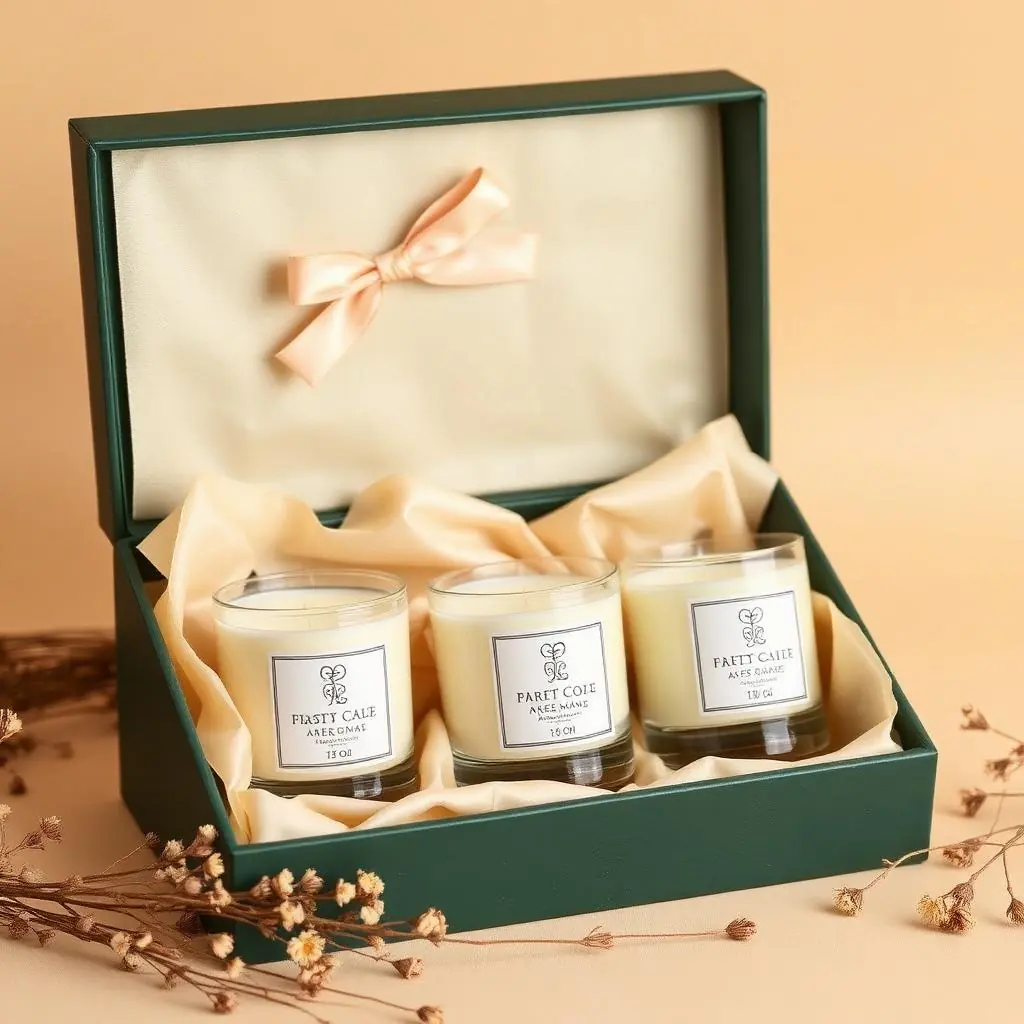
Wedding favors start from $18 per candle and corporate and client gifts from $22 per candle, and boxed gift sets start from $48, all on our gifting page. To design a one-of-a-kind gift from your own photo or message, start with our personalized candles or photo candles.
FAQ
Will candles melt during shipping?
Finished container candles rarely melt completely, but they can soften, sweat or slump in a hot truck. Soy and coconut waxes are the most affected, while paraffin and beeswax hold up better. Shipping early in the week, using a faster service and adding insulation lowers the risk a lot.
Do I need ice packs to ship candles in summer?
Not always. Ice packs are usually unnecessary when you ship at the beginning of the week, but they can help in extremely hot climates or on long routes. Use one or two per box, wrapped in paper so condensation does not touch the other contents.
Can a candle melt in a 100 degree car?
It can soften. Some coconut blends have melting points of 100 to 115°F, and some soy blends begin to soften around 115°F, while a closed car in the sun often climbs well above 100°F. A candle in a jar usually sets again once it cools, but the top may need to be smoothed by burning.
What is the best day to ship candles in hot weather?
Monday through Wednesday. That timing keeps the package from waiting in a hot facility or truck over the weekend. For long routes in July and August, consider upgrading to a faster service as well.
Is a candle that melted and re-hardened safe to burn?
Usually yes. It may look uneven, so let it settle in a cool room, wipe off any oil, stand it for about an hour, and trim the wick before lighting. If the glass is cracked, do not burn it.
Sources
- Shipping Candles: Prevent Melting, Breakage and Summer Damage
- Cheapest Way to Ship Candles 2026
- How to Ship Candles and Wax Melts Without Melting
- How to Ship Candles Without Breakage
- How to Ship Candles Safely: Complete Guide
- Can a candle survive a hot car or a summer delivery?
- How to Pack and Ship Candles
- How to ship candles safely
- A guide to packaging and shipping candles
- How to Ship Candles in Summer Heat
- How to Ship Candles, Part 1: Packaging, Shipping, and Costs
- How to Ship Candles Internationally without Melting
- Prohibited Goods