




Buying Guides
Palo Santo Wood: 5 Benefits and How to Use It
Five reasons to make room for palo santo's woody scent, with traditional uses kept separate from medical claims, safe burning steps and sourcing questions worth asking.
Custom Candle Co Studio Team · 8 min read · Updated
Palo santo is one of those scents that makes a room feel different before you have changed anything in it. Earthy, woody and gently resinous, it is often chosen for a quiet pause: before meditation, after tidying, or when the working day is finished. The appeal can be that simple. You do not need to attach a promise of healing to enjoy a fragrance and the routine that comes with it.
The name means “holy wood” in Spanish. The wood discussed here comes from Bursera graveolens, a tree native to parts of the Americas, with a range extending from the Yucatán Peninsula into South America. It has a long history of use in regional spiritual and household traditions. Those traditions deserve respect, but they are not proof that burning a stick treats illness, disinfects a home or changes anyone's health. Here are five ways to understand its appeal, followed by practical guidance on burning and buying it responsibly.
1. A meditation and focus ritual
In traditional practice, palo santo has been burned to prepare a space for reflection and to mark a spiritual transition. Today, many people use the same small sequence as a cue to put the phone away, sit down and give one thing their attention. The useful part is the deliberate pause. Scent can become associated with that routine without being a treatment or a shortcut to concentration.
Prepare the room first: clear a place to sit, open a window and put a fireproof dish on a stable surface. If you choose to burn wood, do it briefly before the session rather than keeping smoke beside your face throughout. Fully extinguish the stick and let the room air before settling in. That leaves room for the fragrance without making breathing through smoke part of the exercise.
Keep the intention modest. Reading a page, taking a quiet moment or sitting without notifications is enough. If smoke is uncomfortable, skip the wood altogether; a ritual can work without combustion. The point is to make a little space for attention, not to achieve a particular sensation or borrow a ceremony whose meaning you have not explored.
2. Creating a calm, peaceful room
Palo santo's association with calm comes partly from context. A quiet room, less clutter and an aroma you enjoy can make an evening feel more considered. That is a personal response to your surroundings, not a claim that the wood relieves anxiety, sadness or stress as a medical condition. Some people love its dry, woody character; others find any smoky fragrance distracting.
Think of it as one detail in the room rather than the whole atmosphere. Put away the day's paperwork, soften the lighting and choose a single scent instead of layering several sprays, incense sticks and candles. More fragrance is not necessarily more peaceful. A short, restrained use is often easier to live with than a room that smells strongly for hours.
A shared home also calls for a shared decision. Ask before burning anything, especially around someone with asthma, fragrance sensitivity or a dislike of smoke. Keep children and pets away from the burning stick and its ash. An open window and an unscented evening are perfectly good choices when fragrance does not suit everyone in the room.
3. Traditional wellness uses of the oil and tea
In folk practice, palo santo has traditionally been used in preparations beyond burning wood, including oils and teas. Accounts of these uses may describe skin applications, comfort during illness or digestive routines. These are traditional uses, not medical advice. Their place in a cultural history does not establish that an oil heals wounds, treats acne, reduces inflammation or that a tea strengthens the immune system.
It is important to separate the forms. A stick sold for burning is not a food ingredient. A room fragrance is not a skin product, and an essential oil is concentrated material rather than something to casually pour into a drink or apply undiluted. Do not make tea from fragrance wood, swallow essential oils or use a candle or room spray on the body.
We are describing the tradition, not offering a home remedy or a recipe. For a skin problem, a wound, digestive symptoms or questions about illness, seek advice from a qualified healthcare professional rather than trying to solve it with fragrance. You can appreciate the scent and learn about its history while leaving health decisions entirely outside the ritual.
4. The tradition of burning it to keep insects away
Burning aromatic wood to discourage insects is another traditional household use associated with palo santo. It belongs on a list of reasons people have reached for the wood, but it should not be presented as reliable protection from bites. A pleasant-smelling cloud is not a substitute for a tested insect repellent, window screens or other appropriate precautions.
If you enjoy the scent outside, the same fire rules still apply. Use a stable fireproof dish well away from dry leaves, fabrics and furniture. Do not burn it in windy conditions, and follow local restrictions on open flames. Never leave a smouldering stick on a patio while you go indoors; an ember remains a fire risk even when the visible flame is gone.
Do not copy improvised oil-and-water skin recipes from older advice. Oil does not simply dissolve into water, and a homemade mixture is not an established repellent. Where insects are a concern, choose a product intended for that purpose and follow its directions. Keep palo santo in the category of scent and tradition, rather than protection you rely on.
5. Its scent: freshening a room and setting a mood
The most straightforward reason to choose palo santo is its fragrance. Its woody, earthy character feels different from a sugary gourmand scent or a bright floral bouquet. Depending on the wood or fragrance composition, you may notice resinous or gently citrus-like notes. Not every stick, candle or spray smells identical, so let your own preference lead.
“Freshening” here means adding a scent you enjoy, not purifying the air. Smoke adds particles to a room; it does not replace ventilation or cleaning. Deal with the source of an unwanted smell first, then air the space. If you still want fragrance, add it lightly rather than trying to cover a cooking smell, damp fabric or a bin with more smoke.
For setting a mood, choose the moment as carefully as the scent. A quiet evening with a book may suit a woody candle; a room spray offers a different, flame-free format when used as directed. Both are ways to enjoy fragrance, not exact substitutes for burning raw wood. Follow the label and stop using any product that makes you or someone sharing the space uncomfortable.
How to burn palo santo
Set everything up before lighting the stick. Choose a fireproof dish that will catch ash and hold the wood securely, and place it on a stable, heat-resistant surface away from curtains, paper and anything else that can catch fire. Ventilate the room. Keep water nearby so you can fully extinguish the ember when you finish.
- Light the end of the stick and let it catch.
- Blow the flame out carefully so the end smoulders rather than burns with an open flame.
- Rest the stick on the fireproof dish, with the glowing end clear of combustible materials.
- Stay beside it, keep the room ventilated and never leave it unattended.
- Extinguish the ember completely, then check that the wood and ash are cool before storing or disposing of them.
There is no need to keep relighting it to produce a constant plume. If it goes out, that can be the end of the session. Avoid carrying a smouldering stick around the house, leaning over the smoke or using it in an enclosed space. Never disable a smoke alarm to accommodate fragrance. If burning wood is unsuitable for your home, simply choose another format or no scent.
A short note on sustainability
Bursera graveolens is protected in parts of its range. Reputable palo santo wood is collected only from naturally fallen trees, rather than cutting living trees for fragrance. Buy from sellers who source it that way and can explain where the wood comes from. A reassuring word such as “natural” is not, by itself, an answer to a sourcing question.
Ask about the species, origin and collection method before buying loose wood. For candles, the questions are different: wax sourcing and the product's materials matter too. Our soy wax and eco-friendly candles guide explains how to look beyond broad environmental language without assuming that a botanical scent proves anything about the wax or supply chain.
Enjoy palo santo in a candle and room spray
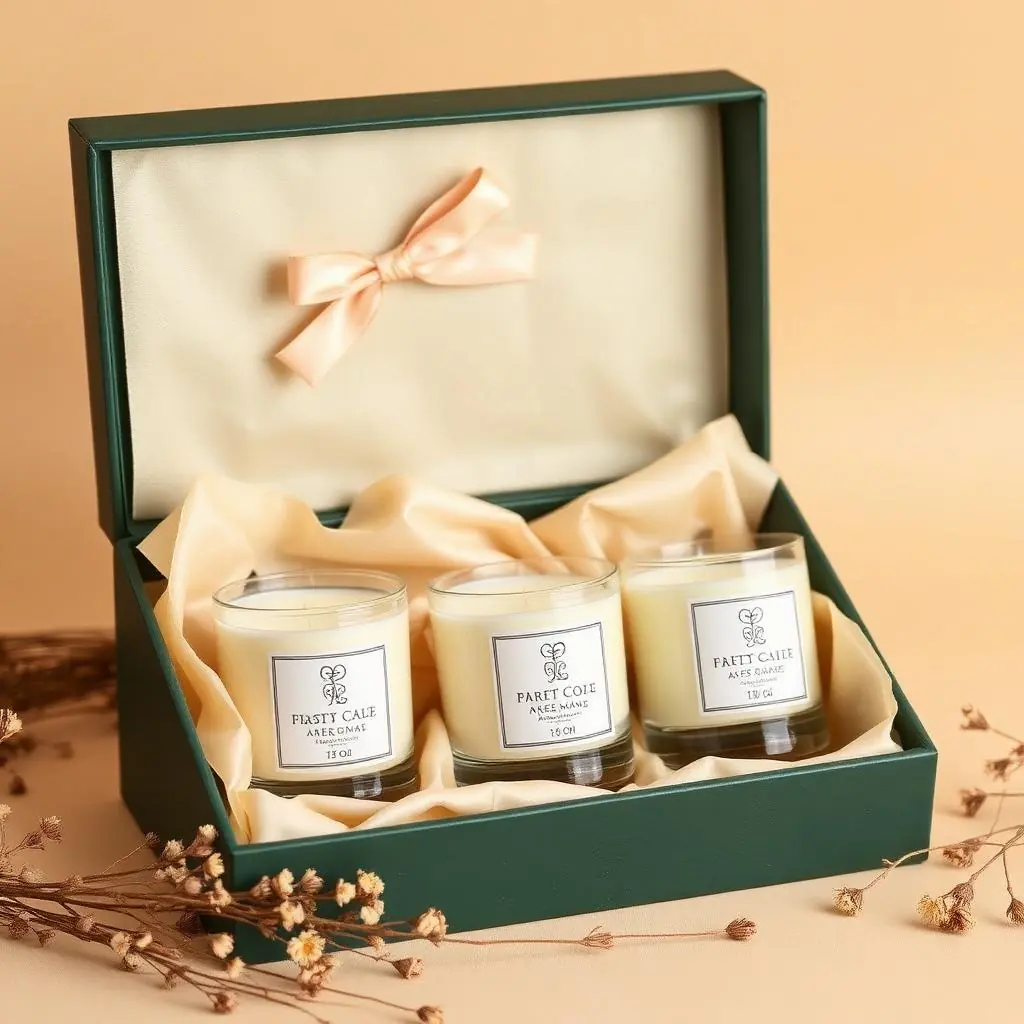
Custom Candle Co.'s current palo santo offering is the Palo Santo Box Set: a candle and room spray, rather than loose wood. Think of the candle as the slow, candle version of the scent — something to enjoy while you are present in the room, with the spray as a separate option used according to its directions. Neither is a tea, skin preparation or medical product.
If woody fragrance is only one part of the mood you have in mind, explore our Relaxation Candles collection for another scent to suit your space. Choose what you enjoy, use it thoughtfully and keep the promise small: a considered fragrance, a quieter moment and a room that feels like yours.
Keep reading
- How to Get Candle Wax Out of Clothes
Wax on a shirt is not a ruined shirt. Harden it, lift it, then wick the rest out through paper — with the fabric-specific changes that stop the fix becoming the damage.
- Are Candles Toxic? What to Actually Look For
Most 'toxic candle' claims collapse under the evidence — and a few real quality issues get lost in the noise. Here is what wax, wick and fragrance sourcing actually change.
- Are Candles Safe for Cats? A Real Answer
Cats metabolise certain fragrance compounds differently to us, which makes some candles a real concern and most of them a non-issue. Here is the line between the two.
- How to Get Candle Wax Out of Fabric & Upholstery
Upholstery changes the method: you cannot freeze a couch or put curtains through a wash cycle. Here is the adapted sequence, and the mistakes that leave a permanent ring.
- What Makes a Candle Eco-Friendly, Explained
Four things decide whether a candle is actually eco-friendly, and none of them is the word 'natural' on the label. Here is what to check, and what to ignore.
- Are Candles Safe for Dogs? A Real Answer
Dogs get into candles differently than cats do: less inhalation sensitivity, far more chewing, nosing and tail-swiping. Here is the honest risk list and what to change.
- How to Get Candle Wax Off Walls
Walls are unforgiving: the finish damages more easily than the wax resists. Low heat, an absorbent barrier and patience beat any scraper.
- How to Get Candle Wax Off Tablecloths & Table Linens
Table linens are washable, which makes them easy — and often starched, dyed or heirloom, which makes them fussy. Here is the method adapted properly.
- How to Get Candle Wax Off Wood & Hardwood Floors
On wood the finish is the fragile part, not the wax. Cold and a plastic edge do the work; heat guns, metal blades and solvents are how floors get ruined.
- Paraffin-Free Candles: What to Know
Paraffin-free is a sourcing statement, not a safety certificate. Here is what each alternative wax actually does differently — and where the claim is oversold.
- How to Get Candle Wax Out of Furniture, Carpet & Sofas
Carpet and sofas punish the two instincts people have: scrubbing and soaking. Chill, lift, wick through paper, blot dry — and know when to stop and call someone.
- The Different Types of Candles, Explained
From a taper on the dining table to a sculpted gift or a flameless wax melt, the shape determines more than the look. Here is how to choose and care for each style.
- The History of Candles — and How They Became Romantic
Candles spent thousands of years as purely practical light — and some of them smelled terrible. Here is how tallow, beeswax, bayberries, whale oil and paraffin slowly turned a household tool into the language of romance.
- Candle Benefits You May Not Know About
Candles show up at Christmas and on Valentine's Day tables — but their best uses are the everyday ones. Five benefits of burning candles that hide in plain sight, from ambience to ritual.