




Buying Guides
Candle Benefits You May Not Know About
Candles show up at Christmas and on Valentine's Day tables — but their best uses are the everyday ones. Five benefits of burning candles that hide in plain sight, from ambience to ritual.
Custom Candle Co Studio Team · 8 min read · Updated
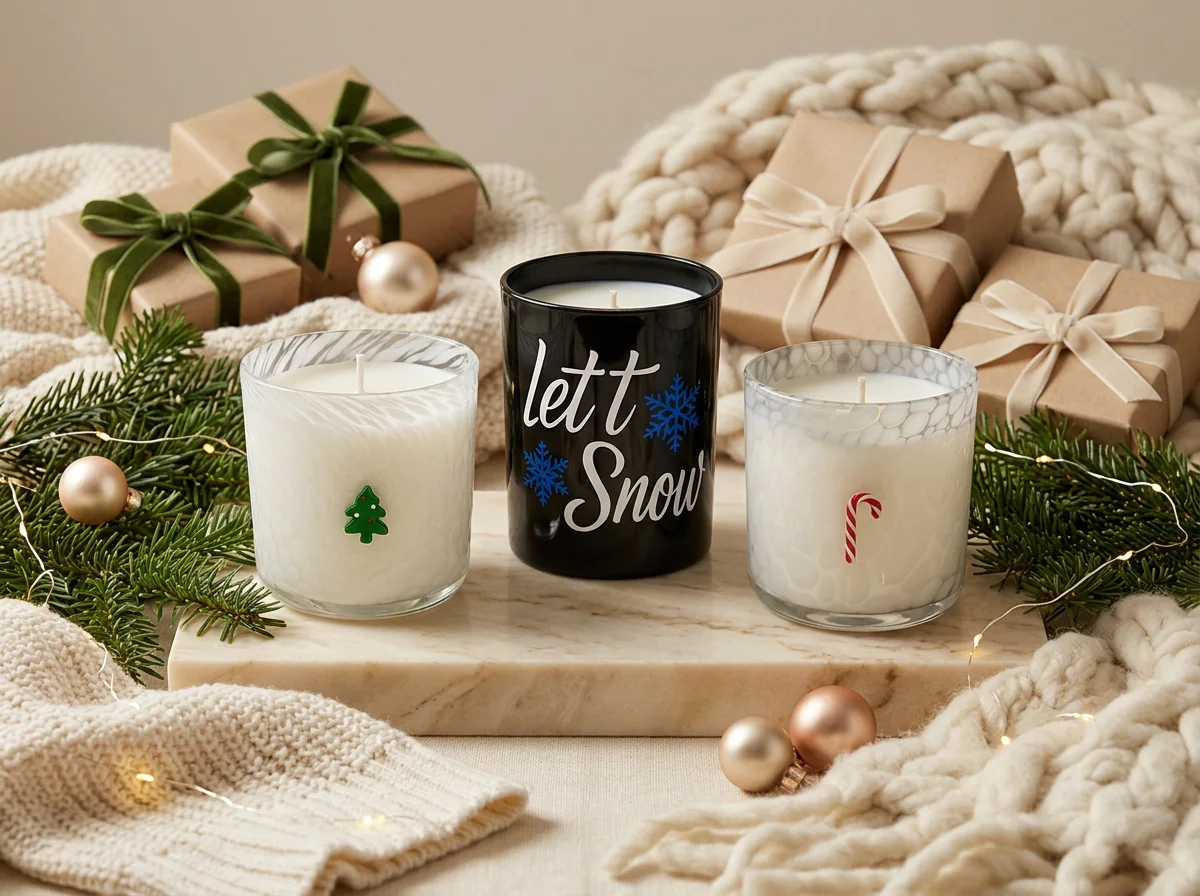
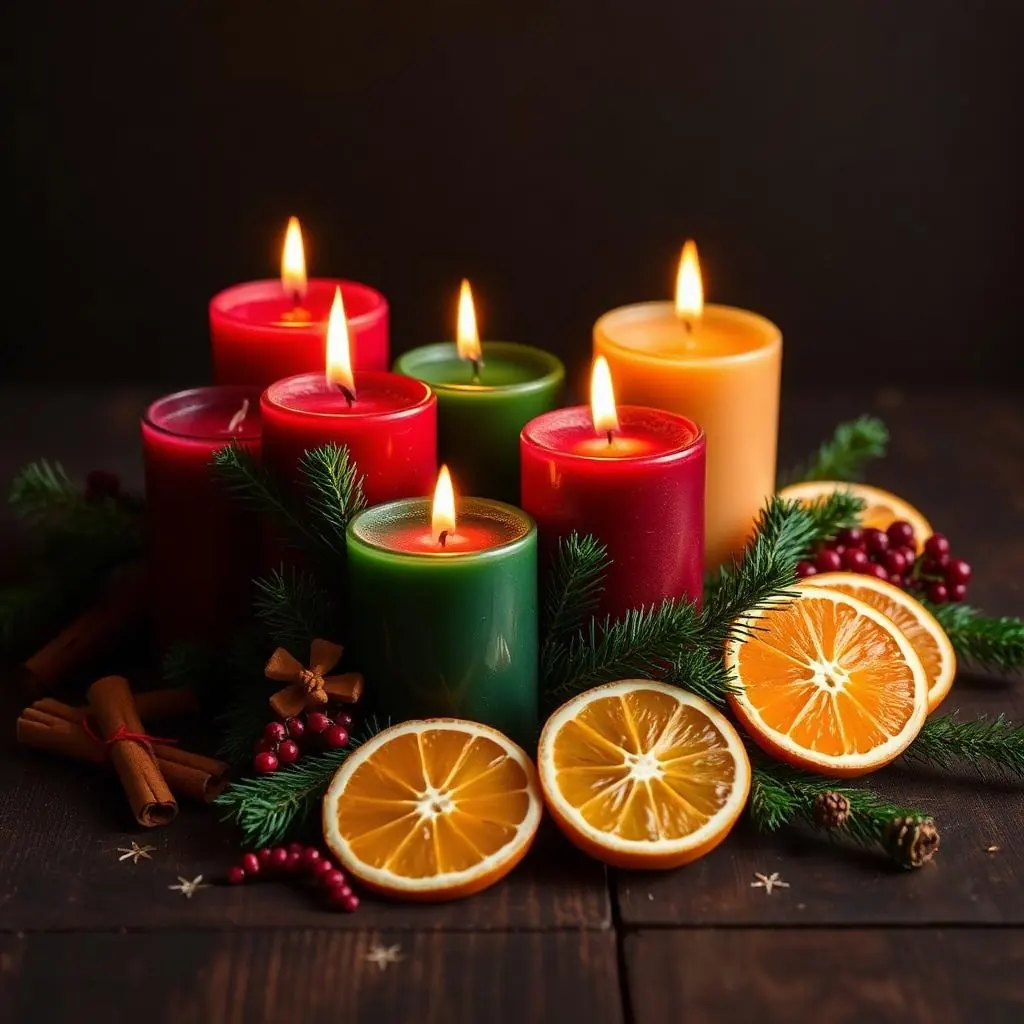
You see candles lit at Christmas. You see them flickering on a table for two on Valentine's Day. Candles have a reputation as a special-occasion extra — the finishing touch you bring out for holidays and guests. But the people who keep candles around all year know something the occasion-only crowd misses: a candle earns its place on an ordinary Tuesday just as easily.
Candles have been around for thousands of years, and they are not going anywhere. Part of that staying power is how many jobs one small object can do. Here are five benefits of burning candles that you may not have thought about — no special occasion required.
1. Decoration and ambiance, in one object
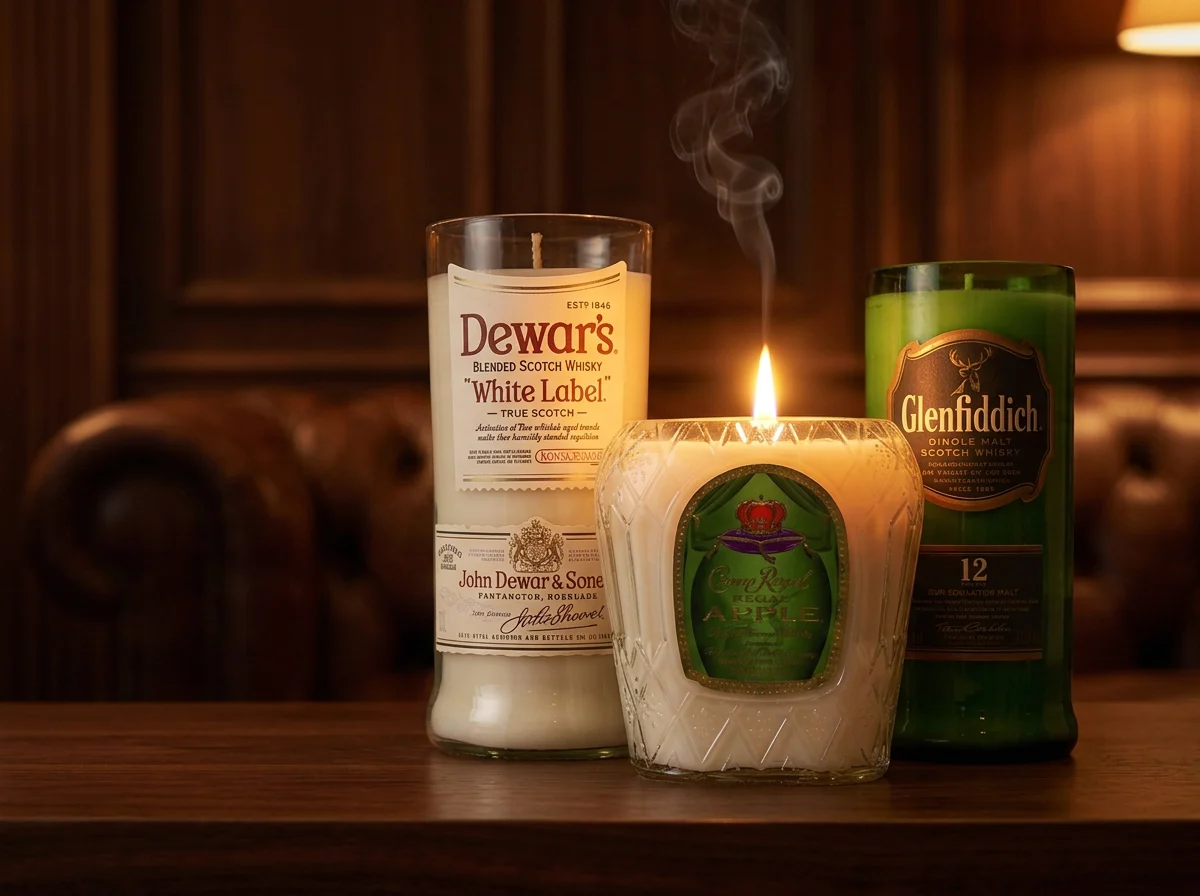
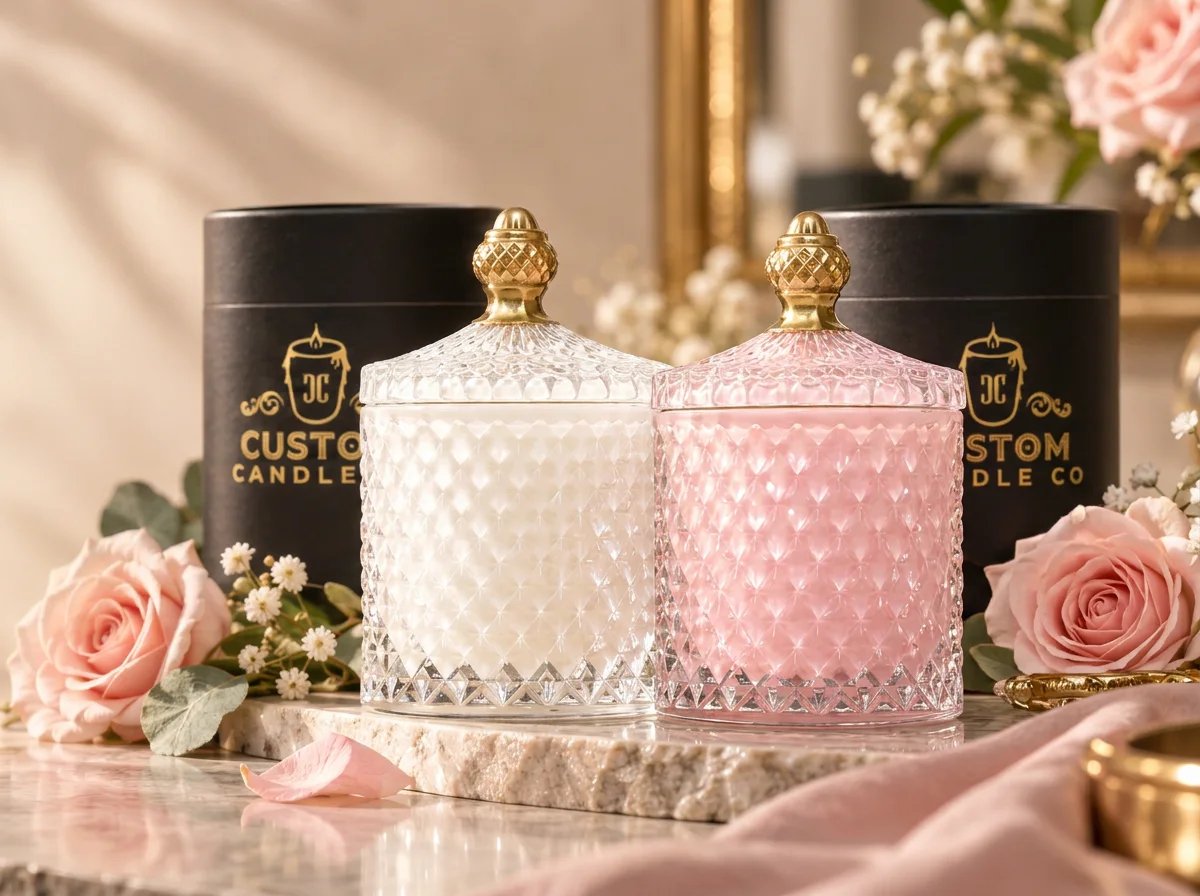
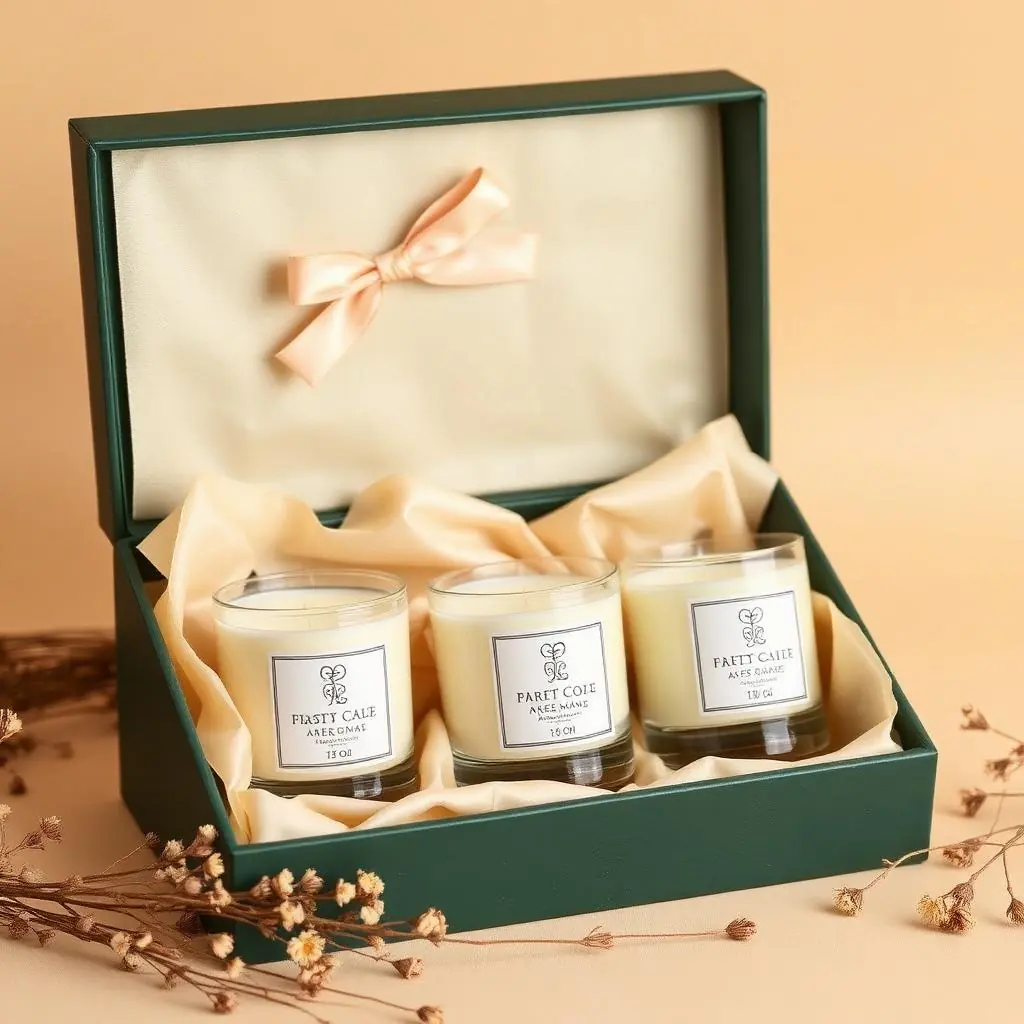
Few decorations work as hard as a candle. Candles come in a huge range of sizes, shapes, colors and scents, so they bring character to a room even before anyone strikes a match. A sculpted candle on a mantel, a row of jars on a shelf, a single taper on a dining table — each one reads as a deliberate design choice.
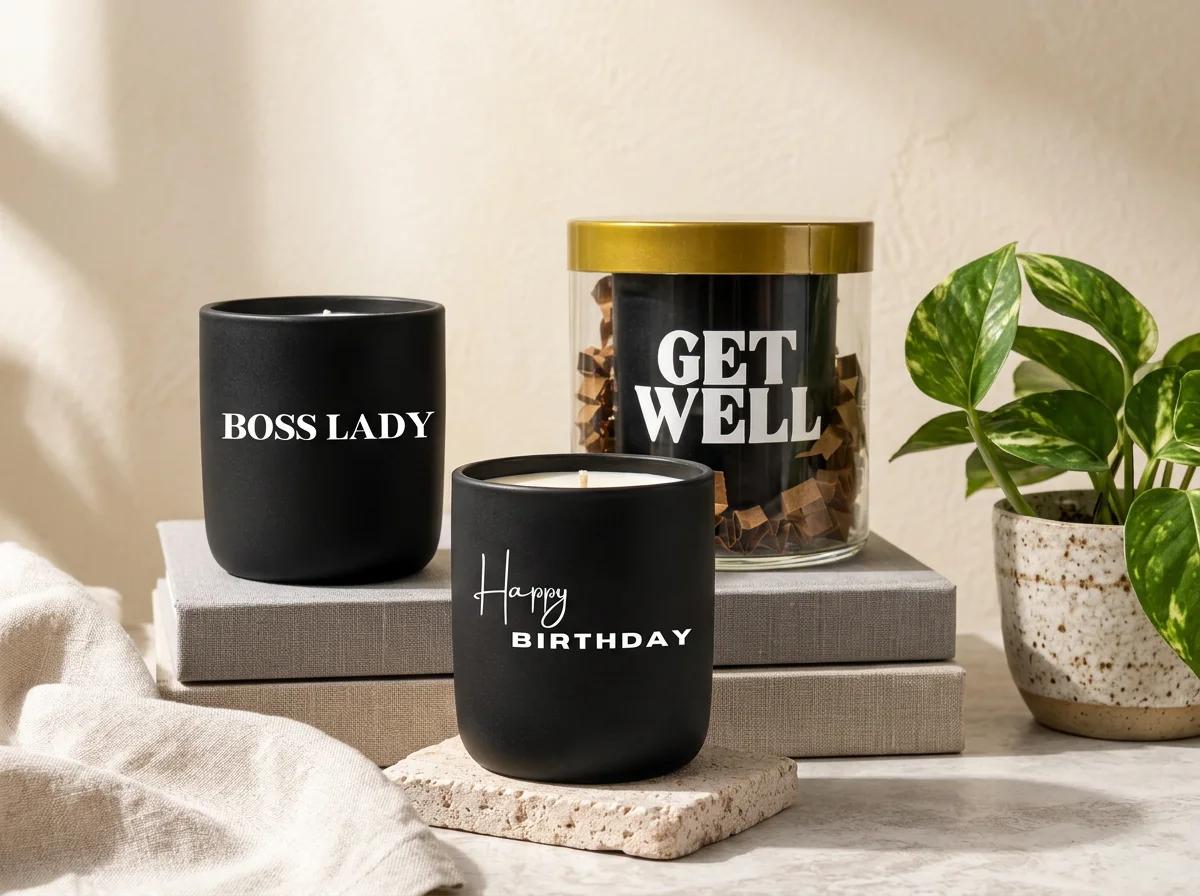
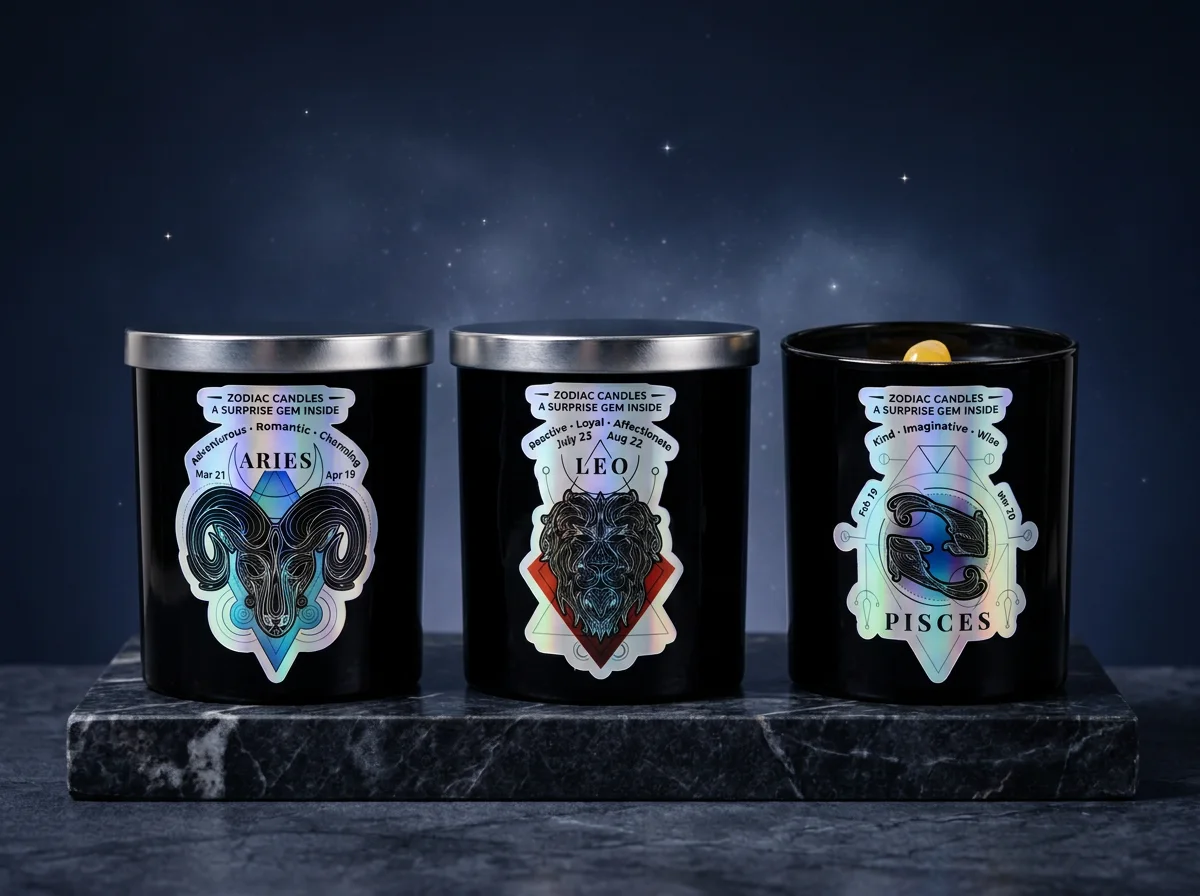
The light itself is part of the decoration, and it varies more than people expect. Wick size changes the flame; the container's color and pattern change how the glow spills into the room. Because the selection is so wide, there is a candle that works as a personalized finishing touch in just about any space, from the bathroom to the dining room.
Then there is the part that is harder to put on a shelf: ambiance. A lit candle can make a room feel intimate, welcoming, cozy or calm — sometimes all four at once. And because scent is tied so closely to memory, the right fragrance brings a touch of nostalgia with it. If you are missing the smell of fresh-baked cookies or the house you grew up in, a candle can carry a little of that feeling wherever you live now.
2. Fragrance for every room
A scented candle is the simplest way to change how a room smells — no plugs, no sprays, no installation. And because each candle carries its own fragrance, you can give different rooms different atmospheres: something fresh in the kitchen, something floral in the bedroom, something warm and woody in the living room.
The classics — lavender, rose, citron, vanilla — are well-known favorites for a reason, but the modern scent palette goes much further. Fruity, herbal, floral, spiced, clean, cozy: if you can describe the mood, there is probably a fragrance that matches it. That variety is what makes scented candles such an easy way to make a home feel considered rather than generic.
There is a practical side, too. A scented candle helps mask and replace unwanted odors with fragrance — the honest, everyday version of odor control. Cooking smells in the kitchen, damp towels in the bathroom, a room that has been closed up all week: light a candle, let the fragrance fill the space and the room resets. A candle in the bathroom, anyone?
3. Culture and tradition
Candles have one of the longest histories of any household object — we traced the whole arc, from Roman tallow to the modern romantic revival, in the history of candles. With that kind of history, it is no surprise that candles are woven into traditions and cultures all over the world, keeping meaning alive from one generation to the next.
Many of the best-known traditions are religious ones you will already recognize: candles lit on a menorah, a candle on Christmas Eve, the candles on a kinara for Kwanzaa. In each case the flame stands for something — an event, a value, a memory — which is exactly why the tradition endures.
Beyond the calendar, candles mark some of life's most personal moments. They are lit before shrines and during prayers as a sign of respect. They are lit in remembrance of someone who has passed, and at candlelit vigils they create a powerful sense of unity — hundreds of small flames standing for one shared feeling. Couples light candles at weddings to represent two lives joining. And once a year, most of us take part in the friendliest candle tradition of all: making a wish and blowing out the candles on a birthday cake.
4. A daily ritual for calm and focus
Here is a benefit that surprises people: a candle can be part of taking care of yourself. Not as medicine — a candle is not a treatment for anything — but as ritual. Many people find that lighting a candle at the same point each day becomes a small, reliable signal to slow down. The flame goes on, the shoulders drop, and the next half hour belongs to you.
Scent plays a supporting role in that ritual. Certain fragrances are popular choices precisely because people associate them with particular moods:
- Lavender — the classic wind-down scent, associated with relaxing the mind and body
- Cinnamon — warm and spiced, associated with feeling refreshed
- Peppermint — bright and sharp, associated with focus and waking up the mind
- Vanilla — soft and sweet, associated with relaxation and a lifted mood
- Orange — fresh and citrusy, associated with easing a stressful day
Those associations are personal rather than medical, but that is the point — the ritual works because it is yours. A lit candle can signal the start of a bath, a chapter of a book, ten quiet minutes before bed. If calm is what you are after, our relaxation candles and spa candles collections are built around exactly those moods.
The wax you choose matters to the experience, too. Our candles are hand-poured from all-natural soy wax, which burns cleanly and carries fragrance beautifully — if you want the fuller story on wax choices, our soy wax guide walks through it. A small, wallet-friendly daily ritual starts with a candle you feel good about burning.
5. Ready for romance
Set the table, dim the lights. Candles are associated with romance for good reason — and it is not just habit or Hollywood. Candlelight does measurable things to a room that happen to be exactly the things a romantic evening needs.
The low light tells your body to relax and get comfortable, the way natural evening light does. The flame's small reach shrinks the room to the people sitting in it, creating an intimate space where it is easier to focus on each other. A living flame adds a sense of warmth that overhead lighting cannot fake, and the right scent works on the senses in ways that feel, well, sensual.
Tapers are the classic choice for a reason: a pair of them turns an ordinary dinner into an occasion, and they make a thoughtful gift that says you planned ahead. Light a few in the dining room, the sitting room or the bedroom and the whole evening shifts register. No reservation required.
The everyday candle
Decoration, fragrance, tradition, ritual, romance — five benefits, one small flame. What ties them together is that none of them need a holiday as an excuse. A candle is one of the few objects that can change how a room looks, smells and feels at the same time, for the price of a takeaway coffee.
Whether you are looking for romance, relaxation or simply the right finishing touch for a room, a candle could be the answer. Browse the full collection at Custom Candle Co and find the one that fits your everyday life — not just your calendar.
Keep reading
- How to Get Candle Wax Out of Clothes
Wax on a shirt is not a ruined shirt. Harden it, lift it, then wick the rest out through paper — with the fabric-specific changes that stop the fix becoming the damage.
- Are Candles Toxic? What to Actually Look For
Most 'toxic candle' claims collapse under the evidence — and a few real quality issues get lost in the noise. Here is what wax, wick and fragrance sourcing actually change.
- Are Candles Safe for Cats? A Real Answer
Cats metabolise certain fragrance compounds differently to us, which makes some candles a real concern and most of them a non-issue. Here is the line between the two.
- How to Get Candle Wax Out of Fabric & Upholstery
Upholstery changes the method: you cannot freeze a couch or put curtains through a wash cycle. Here is the adapted sequence, and the mistakes that leave a permanent ring.
- What Makes a Candle Eco-Friendly, Explained
Four things decide whether a candle is actually eco-friendly, and none of them is the word 'natural' on the label. Here is what to check, and what to ignore.
- Are Candles Safe for Dogs? A Real Answer
Dogs get into candles differently than cats do: less inhalation sensitivity, far more chewing, nosing and tail-swiping. Here is the honest risk list and what to change.
- How to Get Candle Wax Off Walls
Walls are unforgiving: the finish damages more easily than the wax resists. Low heat, an absorbent barrier and patience beat any scraper.
- How to Get Candle Wax Off Tablecloths & Table Linens
Table linens are washable, which makes them easy — and often starched, dyed or heirloom, which makes them fussy. Here is the method adapted properly.
- How to Get Candle Wax Off Wood & Hardwood Floors
On wood the finish is the fragile part, not the wax. Cold and a plastic edge do the work; heat guns, metal blades and solvents are how floors get ruined.
- Paraffin-Free Candles: What to Know
Paraffin-free is a sourcing statement, not a safety certificate. Here is what each alternative wax actually does differently — and where the claim is oversold.
- How to Get Candle Wax Out of Furniture, Carpet & Sofas
Carpet and sofas punish the two instincts people have: scrubbing and soaking. Chill, lift, wick through paper, blot dry — and know when to stop and call someone.
- Palo Santo Wood: 5 Benefits and How to Use It
Five reasons to make room for palo santo's woody scent, with traditional uses kept separate from medical claims, safe burning steps and sourcing questions worth asking.
- The Different Types of Candles, Explained
From a taper on the dining table to a sculpted gift or a flameless wax melt, the shape determines more than the look. Here is how to choose and care for each style.
- The History of Candles — and How They Became Romantic
Candles spent thousands of years as purely practical light — and some of them smelled terrible. Here is how tallow, beeswax, bayberries, whale oil and paraffin slowly turned a household tool into the language of romance.