






Eco Friendly Gift Packaging: Reuse First, Skip Greenwashed Buys

The simplest way to wrap a gift with less impact is to reuse what you already have, and when you do buy new, stick to kraft paper, washable fabric, or a reusable gift bag. These three options skip the glitter, foil, and plastic film that make most gift wrap impossible to recycle. Save the fancier materials for special occasions and lean on reuse the rest of the year.
TL;DR:
- Fabric wraps work best for gifts exchanged among people who will reuse or return the cloth; otherwise, their production footprint may outweigh the benefit.
- Choose matte, uncoated paper, and remove ribbons, tape, foil, or plastic windows before recycling; glossy, laminated, and metallic finishes often cannot be recycled.
- Compostable packaging helps only when local collection accepts it, so verify the required facility type before buying materials that need industrial composting.
- Match the box or bag to the gift, skip decorative layers that add no function, and use jars, tins, or mugs as container and wrap.
Table of Contents
- 1. Practical Low-Waste Wrapping Options Ranked
- 2. How to Check if a Material Is Actually Recyclable or Compostable
- 3. Step-by-Step Wrapping Techniques That Skip the Tape and Ribbon
- 4. What to Tell Recipients About Disposing of the Wrapping
- 5. What Lifecycle Research Actually Says About Reuse Versus “Eco” Materials
- 6. Comparing Material Impact: What This Means for Candle Gift Packaging
- 7. How to Find Suppliers That Actually Deliver on Sustainability Claims
- 8. Customizing Eco-Friendly Packaging Without Losing the Gift Feel
- 9. Cutting Packaging Waste by Using Less in the First Place
- 10. Why I Default to Reuse Before Buying Anything New
- Pairing Sustainable Wrap With a Gift Worth Keeping
- FAQ
- Sources
1. Practical Low-Waste Wrapping Options Ranked
Some materials earn a permanent spot in your gift closet, while others work best for one-off occasions. Here’s what to reach for first, and when each option makes sense.
Reusable fabric wrapping, often called furoshiki, comes from a Japanese tradition of wrapping goods in cloth squares instead of paper. A scarf, tea towel, or yard of cotton fabric can wrap a bottle, a box, or an oddly shaped gift with a few folds and a knot, and the recipient keeps the fabric for their own use afterward. This works best for gifts given to people you’ll see again, since the fabric typically needs to come back to you or get reused by the recipient to pay off its footprint.
Plain kraft or recycled-content paper is the easiest swap for anyone used to traditional wrapping paper. It’s widely available, takes stamps and twine well, and recycles cleanly because it has no foil or plastic coating. Dress it up with a pressed leaf, a cinnamon stick, or a handwritten tag instead of printed designs.
Reusable paper gift bags and sturdy boxes last for several gift-giving rounds if you handle them carefully and ask recipients to pass them along. Keep a stash of bags you’ve received and reuse them rather than buying new ones every time.
Small glass jars, tins, and little boxes work well for jewelry, candy, or candles, and they double as storage once the gift is unwrapped. A scrap of fabric or a twist of twine finishes them off without extra packaging.
For cushioning, skip plastic air pillows and bubble wrap. Crumpled recycled paper, shredded junk mail, or molded fiber pulp (the material egg cartons are made from) protects fragile items just as well.
- Upcycle newspaper or old maps as filler sheets or outer wrap for casual gifts.
- Turn empty paper towel rolls into pillow boxes by folding and taping the ends.
- Save ribbon, bows, and tissue paper from gifts you receive for your next round of wrapping.
2. How to Check if a Material Is Actually Recyclable or Compostable
Not every paper or plastic labeled “eco” behaves the way the label suggests, so a quick check before you buy saves you from greenwashed packaging.
- Look at the finish. Matte, uncoated paper is almost always recyclable, while shiny, laminated, or metallic gift wrap usually is not, according to EPA recycling guidance.
- Check for mixed materials. Paper glued to foil, glitter, or plastic ribbon contaminates recycling streams and often can’t be separated at a sorting facility.
- Verify compostable claims before you trust them. Many compostable plastics need industrial composting facilities and won’t break down in a backyard bin, so confirm your city or town collects them.
- Ask about certification. A paper product labeled with the FSC certification mark comes from a supply chain that tracks sourcing from forest to shelf, which is the clearest way to confirm responsibly sourced paper.
Pro Tip: Rub a corner of the paper between your fingers. If it feels slick or leaves a shine, it’s likely coated and won’t recycle easily.
Before you seal a gift, run through a short checklist: pick a box or bag sized to the gift rather than a larger one you’ll need to pad out, use protective filler you can recycle or compost, and jot a line on the tag telling the recipient how to dispose of the wrap.
3. Step-by-Step Wrapping Techniques That Skip the Tape and Ribbon
A few techniques let you finish a gift without single-use tape, ribbon, or foam peanuts.
- Lay a square of fabric flat in a diamond orientation, place the gift in the center, and fold the bottom corner up over it.
- Fold the left and right corners over the top, tucking them snugly against the gift’s sides.
- Bring the top corner down and tuck it under the folds, or tie the loose fabric ends into a simple knot or bow.
- For boxes, secure the final seam with paper tape or a loop of twine instead of plastic tape, which often can’t be removed cleanly during recycling.
- Make a reusable bow from a fabric scrap by folding and pinching it in the center, then tying it on with string instead of hot glue.
- For small items, drop them into a clean jar lid lined with tissue, or fold a pillow box from a cereal box cutout.
- Finish with a sprig of rosemary, a dried flower, or a pinecone tucked under the twine instead of plastic florals.
These swaps add character to a gift while keeping every material either compostable, recyclable, or reusable on its own.
4. What to Tell Recipients About Disposing of the Wrapping
A gift’s environmental footprint doesn’t end when it’s unwrapped, and a short note can make sure the packaging gets handled correctly.
- Ask recipients to remove ribbons, bows, and tape before recycling paper or cardboard, since these contaminate paper recycling streams.
- Separate any plastic window or foil accents from paper packaging before putting either in the bin.
- Note on the tag whether the wrap is compostable, recyclable, or reusable, since recipients often can’t tell by looking.
Shiny, laminated, or metallic gift wrap is often not recyclable, while plain paper and reused bags are generally preferred because they’re simpler to process or use again. Compostable packaging only delivers its promised benefit where industrial composting collection actually exists, so a compostable ribbon tossed in a general recycling bin provides no advantage at all.
5. What Lifecycle Research Actually Says About Reuse Versus “Eco” Materials
Lifecycle studies back up something gift wrappers have likely suspected: reuse tends to beat buying new “sustainable” materials, but only if the reused item is actually used again.
A 2025 circular-economy case study from RWTH Aachen found that a single refill or reuse cycle cut packaging-related impacts by a significant margin in the refill system it modeled. The researchers stressed that packaging has to be evaluated across its full life, from production through transport to end of life, rather than judged by material label alone.
Separately, a 2025 lifecycle assessment of PBAT bioplastic blends found that producing the studied blend carried a global warming potential of a measurable amount of kg CO2-equivalent per kilogram, while modeled composting could create a net savings compared to the alternative scenario, but only where industrial composting was actually available.
Packaging gains are often modest next to a product’s own manufacture and use, which is why reduce and reuse remain the most dependable levers before recycling or composting ever enter the picture.
The practical takeaway: choose lightweight reusable wraps you’re likely to keep, and before paying extra for a compostable or bioplastic option, confirm your area can actually compost it.
6. Comparing Material Impact: What This Means for Candle Gift Packaging
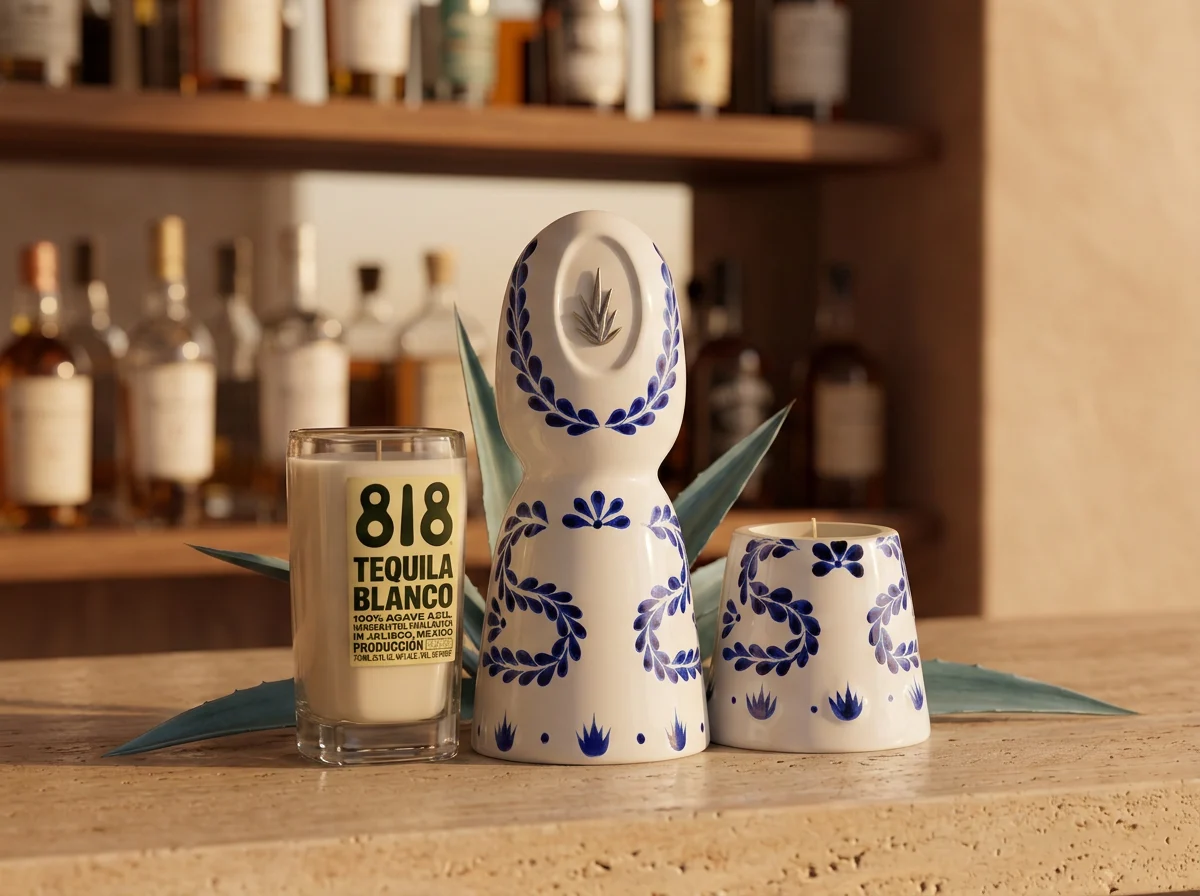
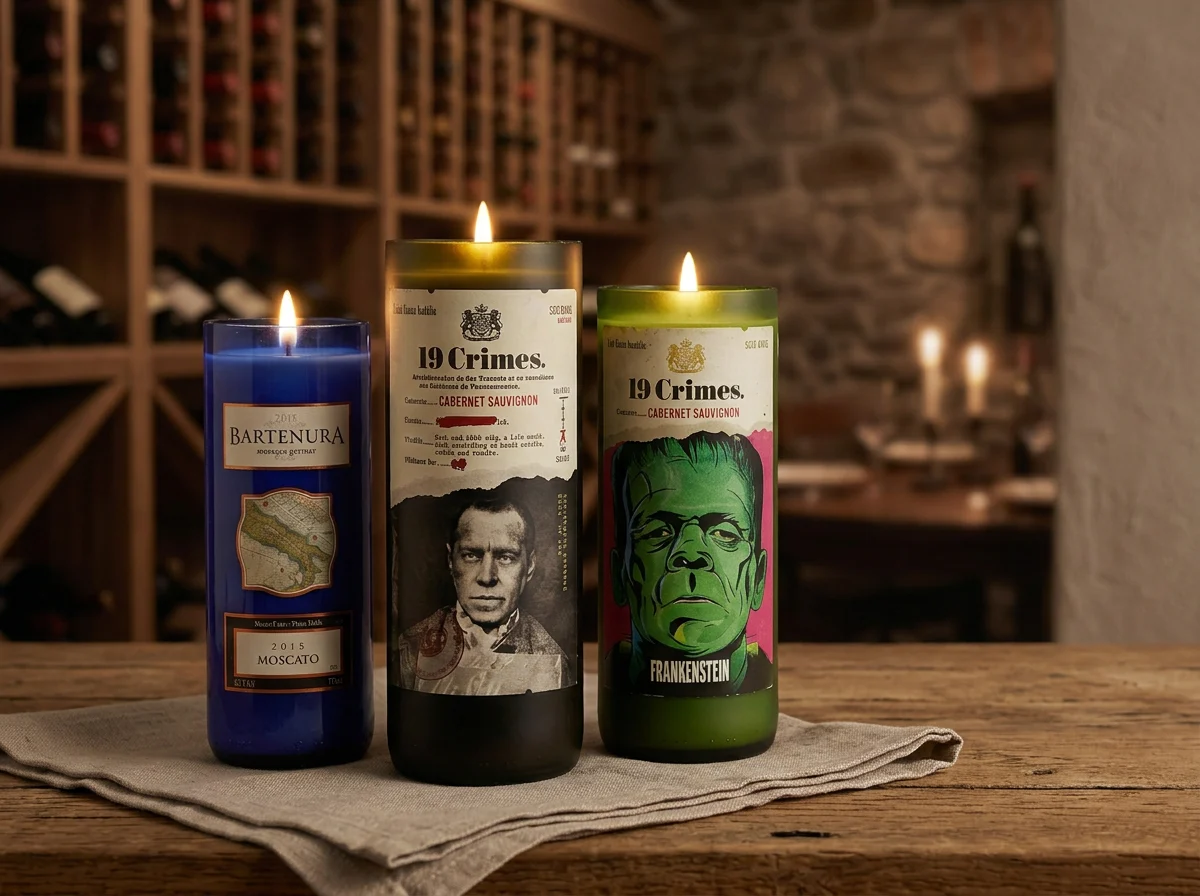
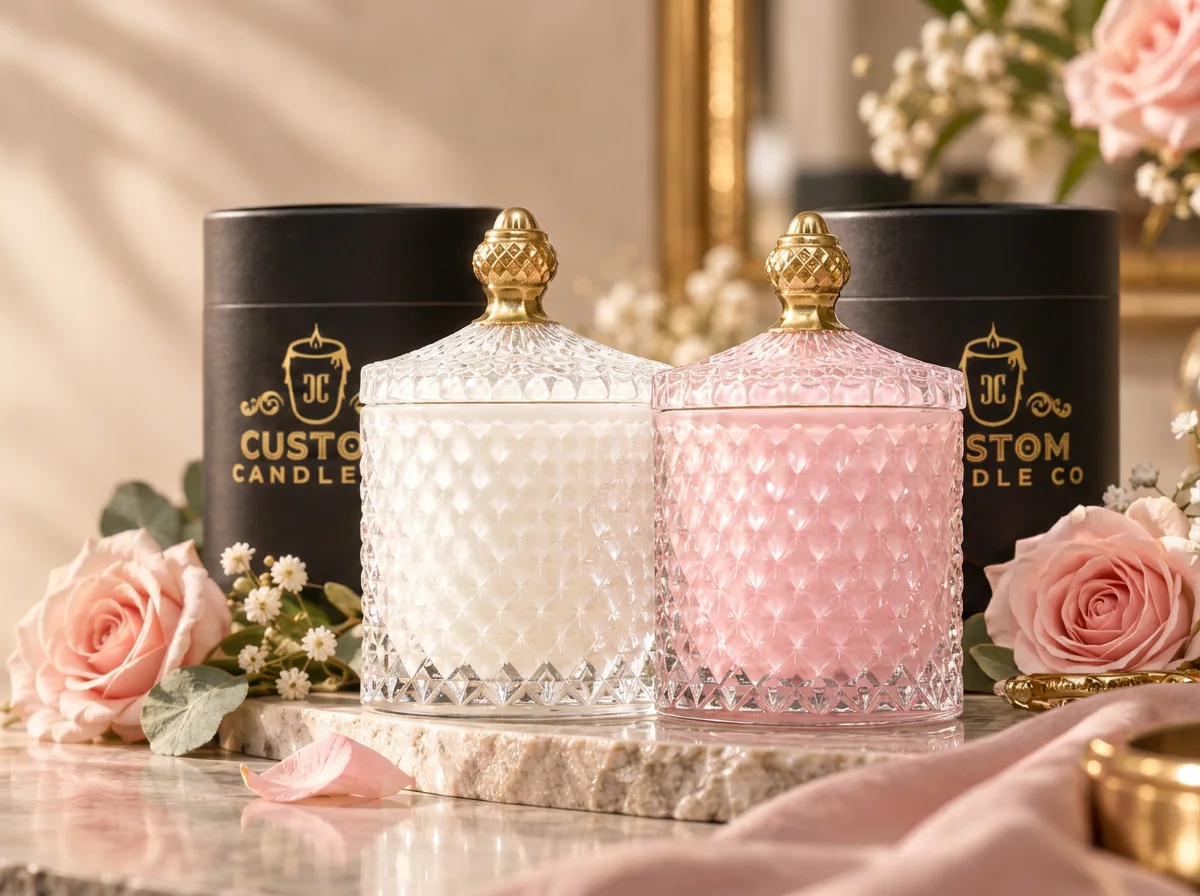
Candles are a common gift, and their packaging adds its own layer of impact on top of the candle itself. A glass jar candle, for instance, is inherently reusable; once the wax is gone, the jar becomes a container, a planter, or a pencil holder, which extends its useful life well beyond the gift itself. That reuse value matters more than the packaging color or finish.
When choosing how to wrap a candle gift, the same hierarchy from earlier sections applies: a fabric wrap or a plain kraft box beats glossy printed paper or plastic cellophane, both because it’s simpler to process at end of life and because it’s more likely to get reused. Molded fiber inserts, the kind made from recycled pulp, cushion glass jars during shipping without introducing foam or plastic bubble wrap.

For paper-based candle boxes specifically, look for FSC-certified board, which signals responsibly sourced paper fiber, and avoid boxes with plastic viewing windows or foil-stamped designs that can’t be recycled. A plain kraft candle box with a wax seal or twine tie communicates the same gift-worthy presentation as a printed box, without the recycling complications.
7. How to Find Suppliers That Actually Deliver on Sustainability Claims
Sourcing packaging that lives up to its eco claims takes a bit of homework, since “green” labeling isn’t regulated consistently across suppliers.
Start by asking for documentation rather than taking a product description at face value. A supplier offering FSC-certified paper or board should be able to provide chain-of-custody proof, which confirms the material was tracked from a certified forest source through manufacturing. Ask the same of any compostable material: request the specific certification standard and confirm which composting systems, industrial or home, actually accept it.
Favor suppliers who disclose material composition clearly, including coatings, adhesives, and inks, since these details determine whether a box or bag can be recycled later. A supplier that can’t answer basic questions about recyclability or composting is a sign to look elsewhere.
Buying in smaller, more frequent batches from a local supplier also cuts down on shipping-related impact compared to large overseas orders, and it’s often easier to verify a local supplier’s claims directly. For specific formats like bags, a guide to eco-friendly bag options walks through what to look for when sourcing in bulk.
8. Customizing Eco-Friendly Packaging Without Losing the Gift Feel
Plain kraft paper or a reused box doesn’t have to look like an afterthought. A rubber stamp with a simple design, a handwritten name tag, or a wax seal turns an unprinted box into something that feels intentional.
Natural accents do a lot of the visual work that printed paper used to handle: a sprig of dried lavender, a cinnamon stick, or a pressed leaf tucked under twine adds color and texture without adding material that can’t be recycled. For a more personal touch, a handwritten note or a small illustration directly on the kraft surface gives a gift a custom feel that’s hard to replicate with mass-printed wrap.
If you’re wrapping a small item like a mug or a candle, the shape of the container itself can guide the wrap. A step-by-step approach to wrapping a mug with fabric or paper shows how an oddly shaped gift can still look polished without excess material. The same logic applies to candle jars: a snug fabric wrap or a fitted kraft sleeve shows off the container’s shape instead of hiding it under bulky paper.
Color-coordinating twine, tags, and any natural accents to match the occasion (a holiday color, a wedding palette) gives low-waste wrapping the same presentation value as printed paper, without the coatings that make printed wrap hard to recycle.

9. Cutting Packaging Waste by Using Less in the First Place
The most reliable way to reduce packaging waste is to use less of it, which sounds obvious but gets overlooked in favor of swapping one material for another.
Start by matching container size to the gift. A box that’s twice the size of what it holds needs extra filler to keep the item from shifting, which means more material used overall. Choosing a snug-fitting box or bag cuts down on filler before you even think about what that filler is made of.
Skip layering materials that don’t add function. A gift doesn’t need tissue paper, a bag, and a bow if the bag alone presents it well. Each additional layer is one more thing to dispose of or recycle later.
Where possible, let the container do double duty. A mug, jar, or tin that holds the gift can also serve as the wrapping, which eliminates a separate wrap entirely. This approach pairs naturally with gifts like candles, candies, or small accessories that already come in a reusable container.
Minimalist packaging also tends to look more intentional than heavily wrapped gifts, since a clean box with a simple tag reads as considered rather than default.
10. Why I Default to Reuse Before Buying Anything New
I keep a drawer of ribbon, boxes, and fabric scraps from gifts I’ve received, and it’s rarely empty by the time a birthday or holiday rolls around. The research backs up what that habit already does: a wrap you keep in circulation beats a new “sustainable” purchase almost every time. One small habit I’d recommend to anyone: tuck a note into the gift asking the recipient to pass the wrapping along or reuse it themselves. It costs nothing and keeps the material out of the trash for another round.
— Jake
Pairing Sustainable Wrap With a Gift Worth Keeping
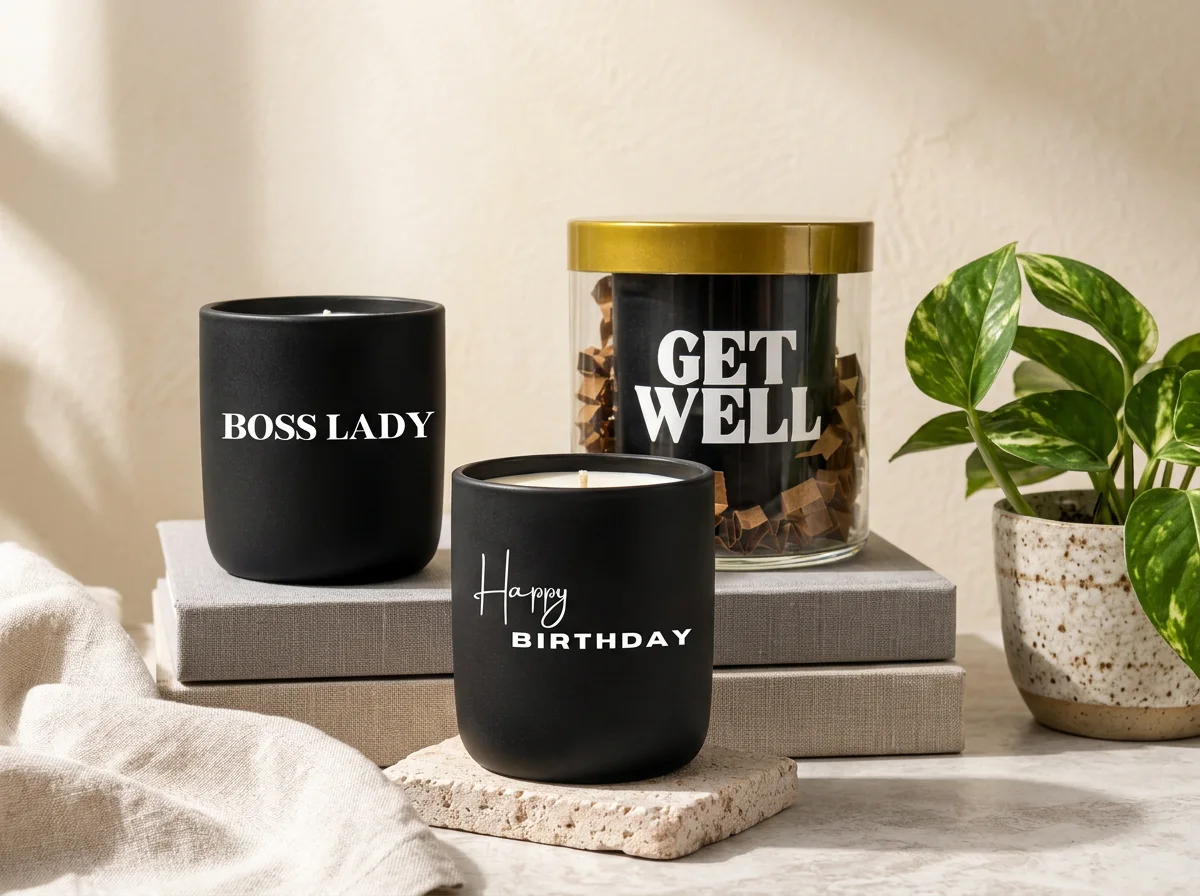
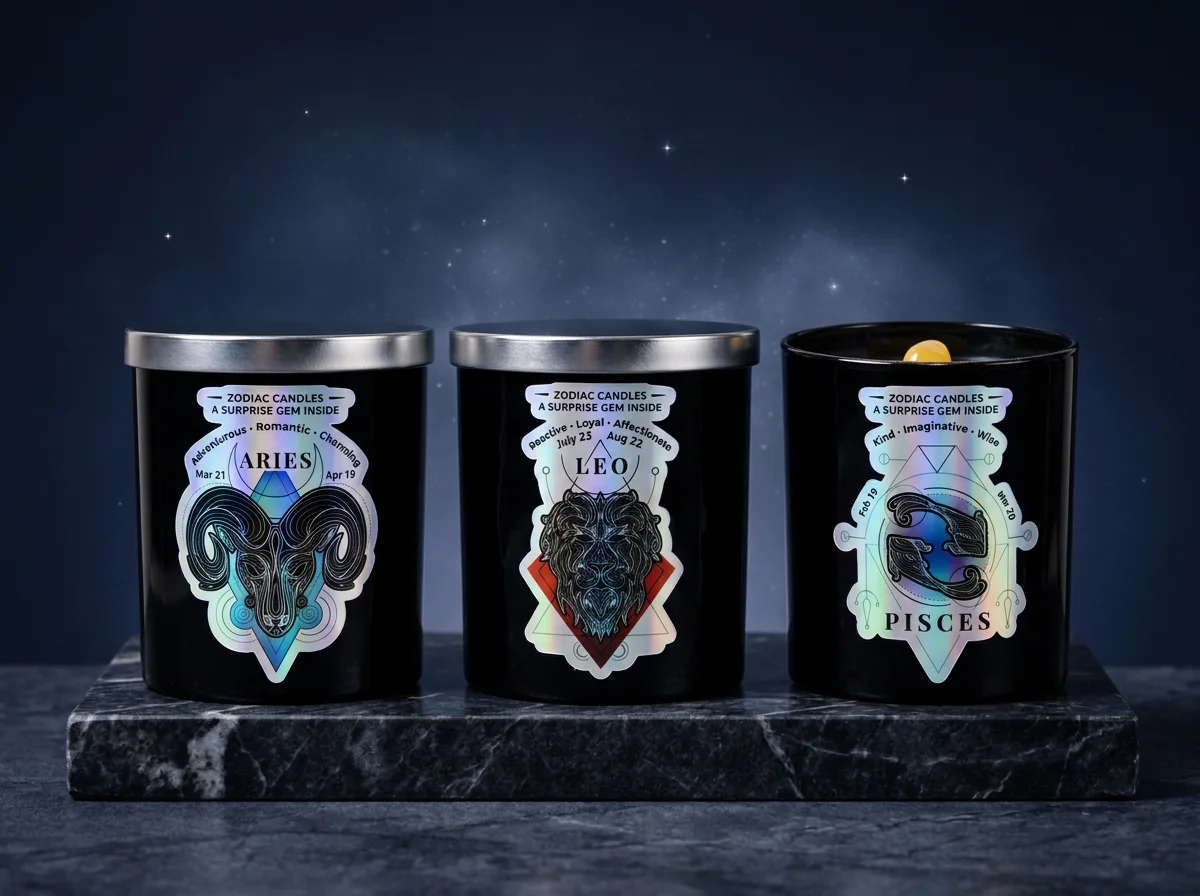
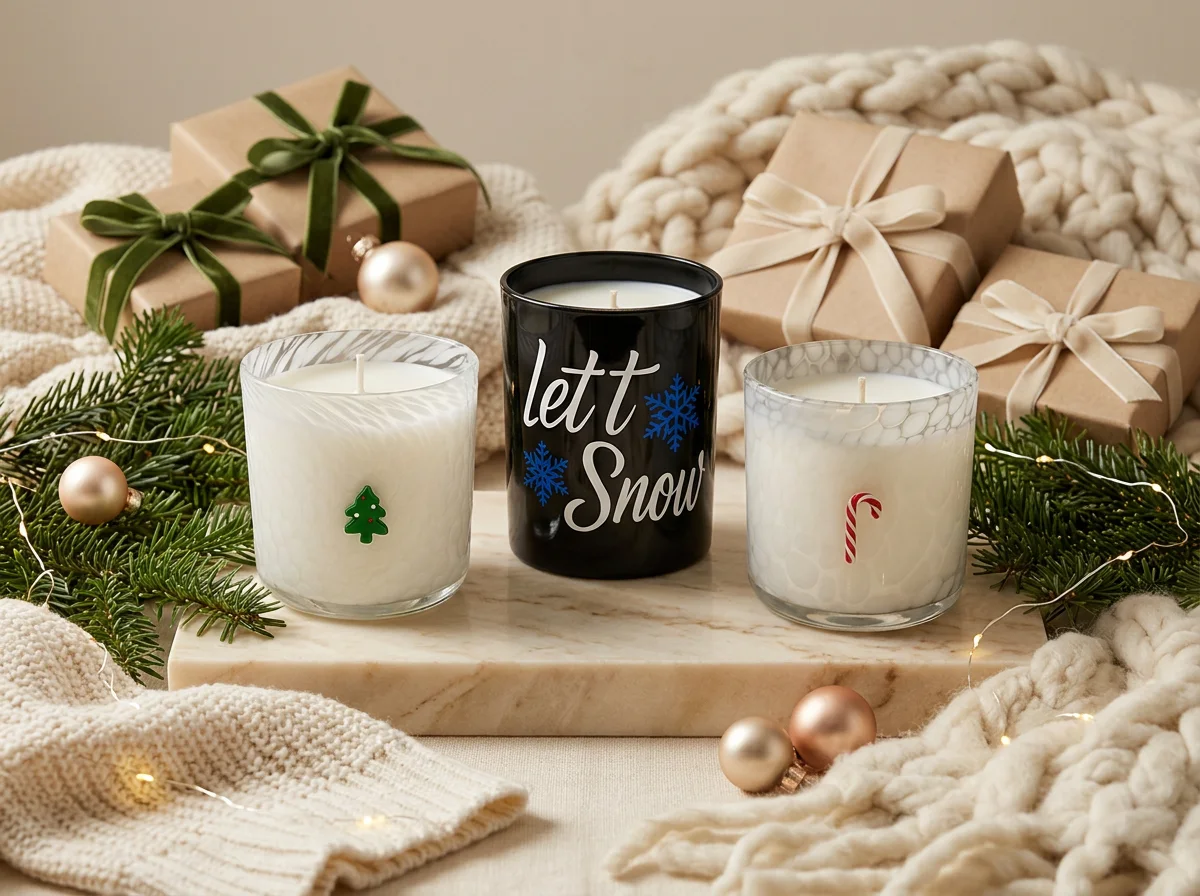
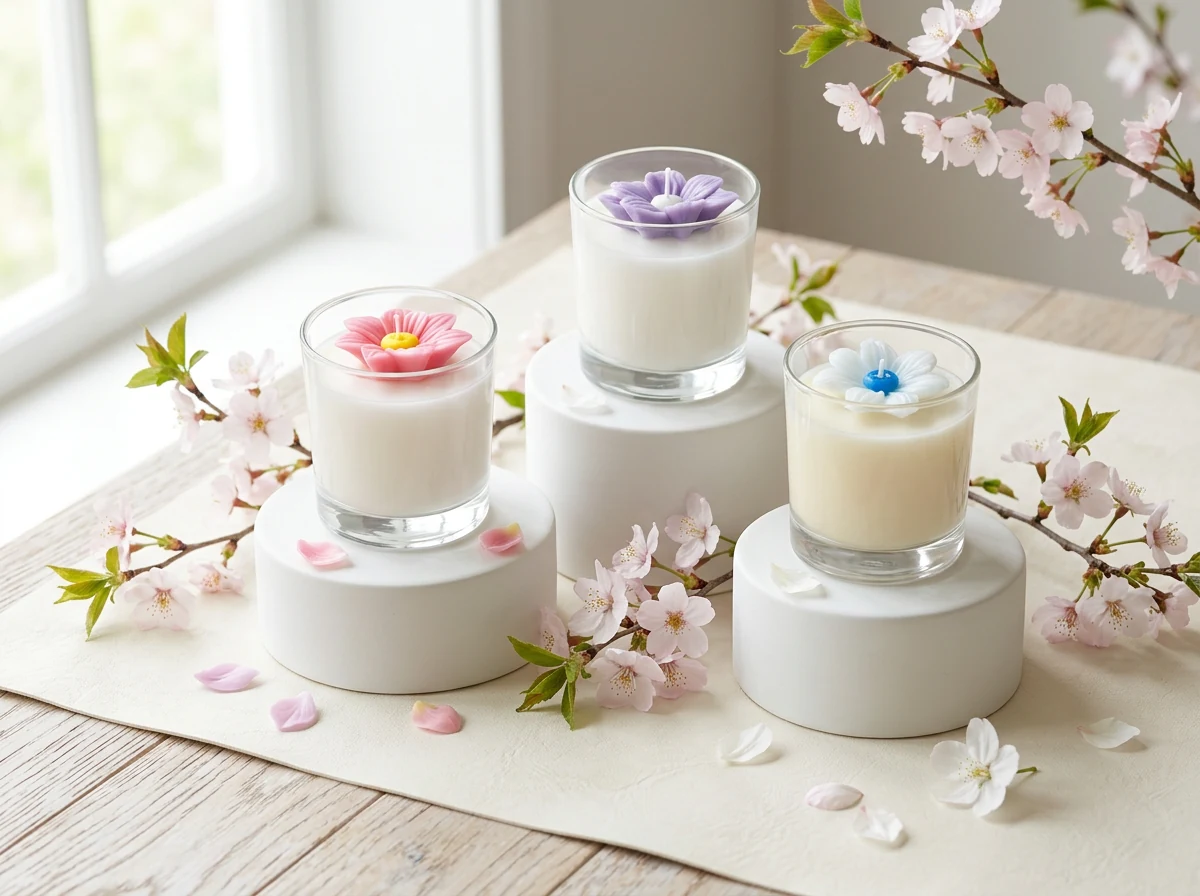
Low-waste wrapping works best around a gift the recipient actually wants to keep, and our personalized candles are built for that. Our candles can be paired with simple, reusable packaging options that complement low-waste wrapping approaches.
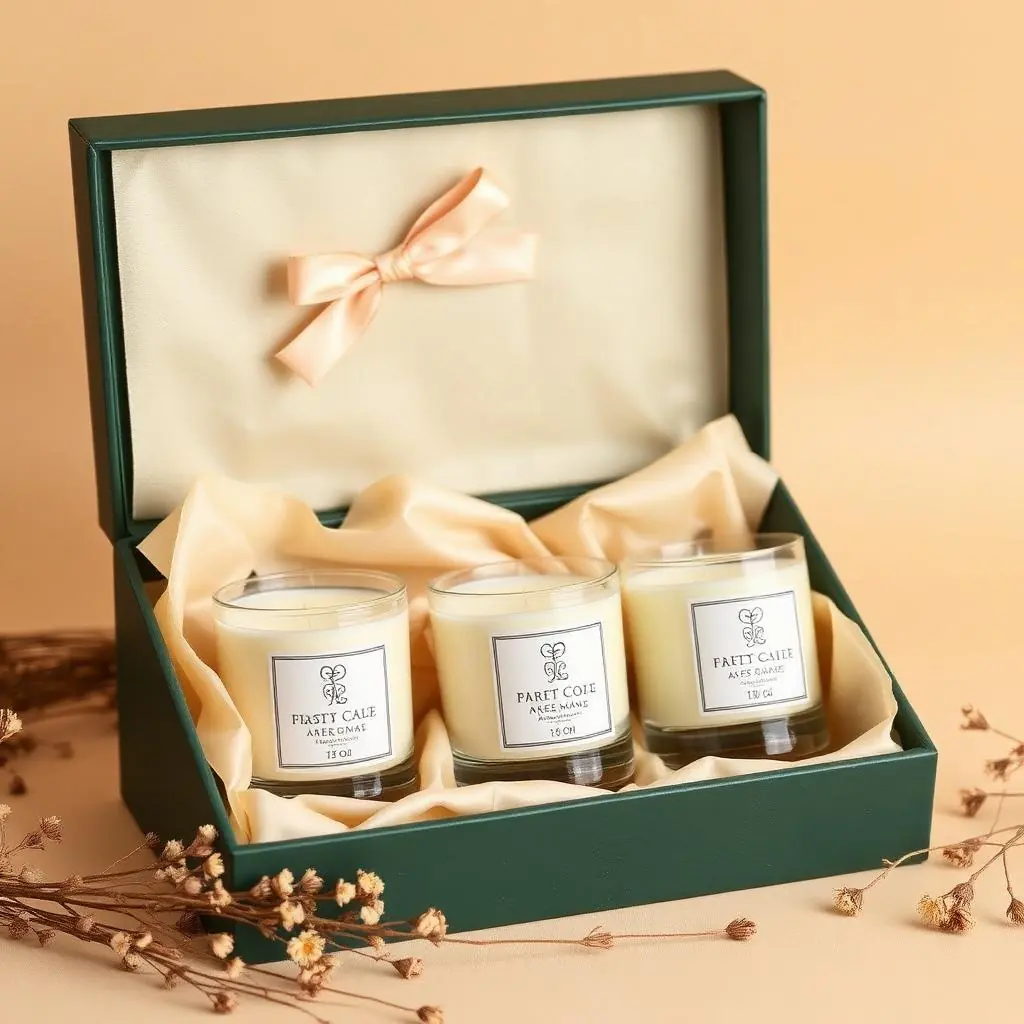
A soy candle in a reusable glass jar pairs naturally with the reuse-first approach covered above: once the wax is gone, the jar still has a life of its own. If you’d rather start from a ready-made option, our boxed gift sets arrive gift-ready, so you can finish the presentation with twine or a sprig of greenery instead of disposable trim. Browse our gifting page to find a candle worth wrapping sustainably.
FAQ
What is the most eco-friendly way to wrap a gift?
Reusing a bag, box, or piece of fabric you already have is the lowest-impact option, since it requires no new material at all. When buying new, plain kraft paper or washable fabric recycles or reuses more easily than glossy or foil-coated wrap.
Is wrapping paper recyclable?
It depends on the finish: matte, uncoated paper is typically recyclable, while shiny, laminated, or metallic wrap often is not, according to EPA guidance. When in doubt, reuse the paper instead of putting it in the recycling bin.
Are compostable gift wraps actually better for the environment?
Compostable materials only deliver a benefit when they reach a composting facility equipped to process them, since many require industrial composting rather than a home bin. A 2025 lifecycle study of PBAT bioplastics found that composting can create a net savings, but only where that infrastructure exists.
What does FSC certification mean on gift packaging?
FSC certification means the paper or board came from a supply chain tracked back to a responsibly managed forest source. Suppliers offering FSC-certified packaging should be able to provide chain-of-custody documentation to back up the claim.
Does Custom Candle Co offer gift packaging that fits a sustainable wrapping approach?
Yes, every order ships in keepsake packaging with a handwritten card, which pairs well with a reused box or a fabric wrap instead of disposable trim. Our boxed gift sets are designed to arrive gift-ready with minimal extra wrapping needed.
Sources
- Integrating circularity indicators with life cycle assessment for plastic packaging: A refill-and-reuse system case study
- Life Cycle Assessment Sheds New Insights Toward Sustainable Management of Biodegradable Resin Blends Used in Packaging: A Case Study on PBAT
- How Do I Recycle Common Recyclables | US EPA
- FSC Packaging guidance (packaging book)