









Stop at 0.5 inch: Clean, Reuse, and Recycle Candle Jars

Most standard glass candle jars can go into curbside recycling, but only after the wax, wick tab, and any glued-on decorations are removed. Thick, frosted, or heat-resistant jars usually cannot be recycled with regular container glass. If you are unsure what you are holding, reuse is the safer default while you check your local glass drop-off program.
TL;DR:
- Standard glass candle jars can generally be recycled if they are thin, uniform, and free of heat-resistant coatings, decorations, or glued-on adornments.
- Thick, frosted, or ovenproof glass, and jars with decorations or non-removable lids, usually require drop-off recycling or reuse instead of curbside collection.
- Proper cleaning involves freezing to remove wax, soaking in hot water, and removing metal wicks, with a final wash to ensure the jar is reasonably clean before reusing or recycling.
- Reusing cleaned jars for storage, plants, or gift packaging conserves energy and extends their life, often making it a better choice than recycling.
- Always check your local guidelines, as many regions route candle jars to specialized drop-offs to prevent contamination, especially if the glass is thick or decorated.
Table of Contents
- Does your city accept your jar, or does it need a drop-off?
- How to clean wax and wick tabs out of a candle jar
- Smart ways to reuse a cleaned candle jar
- Where to actually recycle candle jars near you
- Safety rules that affect how clean a jar gets
- Why safer materials make the whole cycle easier
- Why reuse beats recycling more often than people think
- Looking for a low-waste candle that skips the guesswork?
- FAQ
- Sources
Does your city accept your jar, or does it need a drop-off?
Before anything goes in a bin, figure out what your jar is actually made of. Standard container glass is thin, uniform, and lightweight. Heat-resistant glass (sometimes called borosilicate) and ceramic are thicker, often frosted, and feel noticeably heavier for their size. These materials melt at different temperatures than bottle glass, so mixing them into a recycling stream can ruin an entire batch.
That distinction matters because municipal guidance commonly excludes thick, ovenproof, frosted, or decorated glass from bottle-glass recycling, even when the jar started life as a candle container. Glued-on labels, rhinestones, or metal rings around the rim create the same problem: processors cannot easily separate mixed materials, so a jar covered in adhesive decor is often diverted to landfill no matter how clean it is inside.
Use this quick checklist before you decide:
- Curbside likely fine: thin, uniform glass with no heat-resistant coating or ceramic finish.
- Drop-off or reuse: thick, frosted, or ovenproof glass, and anything ceramic.
- Reuse or trash: jars with glued decorations, rhinestones, or non-removable mixed-material lids.
How to clean wax and wick tabs out of a candle jar
Once you know your jar is a reasonable candidate for recycling or reuse, the cleaning process is the same either way.
- Freeze it first. Set the jar in the freezer for a few hours. Cold wax contracts and often pops loose from the glass in one piece once you turn the jar upside down or give it a gentle tap.
- Use hot water for stubborn residue. Boil water, pour it into the jar (away from your hands and face), and let the remaining wax float and soften. Recycling authorities recommend this hot-water method alongside freezing as the two most reliable at-home techniques.
- Never pour melted wax down the drain. It hardens inside pipes and causes clogs. Let it solidify in the water, then scoop it out and toss it in the trash.
- Pry out the wick tab. The small metal disc at the bottom usually lifts out with a butter knife or pliers once the wax around it has softened.
- Wash with warm, soapy water. A final scrub removes fragrance oil film and leftover soot. Your jar does not need to be spotless, just free of visible wax and residue, which is what most municipal programs mean by “reasonably clean.”
Pro Tip: Keep a dedicated “wax water” bowl for cooling and solidifying melted wax so you never risk pouring it near a sink drain.
If soot has stained the glass permanently, a vinegar-and-water soak loosens most of it, but a jar with deep scorch marks is usually a better candidate for reuse than for recycling.

Smart ways to reuse a cleaned candle jar
Reuse almost always beats recycling for energy savings, since it skips the melting and reprocessing step entirely. Once your jar is wax-free and washed, it has a lot of life left.
- Kitchen and bath storage: spice jars, cotton swabs, bath salts, or hair ties.
- Desktop organizing: pens, paper clips, loose change, or craft supplies.
- Plant containers: small succulents or propagating cuttings in water.
- Tealight or taper holders: a quick way to keep using the jar as a candle vessel.
- Gift packaging: fill with homemade bath salts, wrap with twine, and add a handwritten tag.
If you would rather keep using the jar as an actual candle, some makers offer refill services that re-pour wax into your existing container, like the Not Broken Just Need a Break glass jar soy wax candle, which saves the glass entirely. That option works best when the jar has no cracks or heat damage and the wick tab is still intact or easily replaced.
Where to actually recycle candle jars near you
Curbside rules vary more for glass than almost any other material. Many regions route all glass, including cleaned candle jars, to dedicated drop-off programs instead of curbside bins, because mixed glass tends to break during collection and contaminates paper and plastic recyclables. Fairfax County’s purple can club is one example of this model, and officials there note that clean glass sent through dedicated drop-offs can return to food-container manufacturing within weeks.
To find your own local option:
- Search “[your city or county] + glass recycling drop-off” rather than assuming curbside applies.
- Check whether your area uses a color-coded bin system (purple, blue, or otherwise) separate from standard recycling.
- Look for signage at grocery stores or transfer stations, which often host glass collection bins.
If nothing in your area accepts candle jars at all, set them aside for reuse or donate clean ones to a local craft group before defaulting to the trash.
Safety rules that affect how clean a jar gets
The National Candle Association advises stopping a container candle at about 0.5 inch of remaining wax, both to protect the glass from overheating and to leave far less residue to clean later. Burning past that point stresses the jar and makes wax harder to remove fully.

Never pour melted wax into a sink or toilet. Let it cool and solidify, then scrape it into household trash. Heavy soot staining, cracked glass, or wick tabs fused into melted metal are signs a jar is no longer a good candidate for reuse or recycling, so send it to general waste instead of forcing it through a system that cannot process it. Loose metal wick tabs and lid rings can usually go into household metal recycling once separated from the glass.
Why safer materials make the whole cycle easier
Candles made with phthalate-free fragrances and lead-free wicks burn cleaner, leaving less soot and residue to scrub out later. We hand-proof every personalized order for print and presentation quality before it ships. When a jar is already compromised by heavy soot or cracked glass, buying a recycled-jar candle is often the lower-waste choice over forcing a bad jar through recycling.
Why reuse beats recycling more often than people think
Recycling feels like the responsible choice, but reuse usually costs less energy and keeps a jar in circulation longer before it ever needs reprocessing. The habit that matters most is burning candles down to that half-inch mark the National Candle Association recommends, since it leaves you with less wax to deal with and a jar that is easier to repurpose.
Set aside clean jars as you finish candles, and check your municipal recycling page before assuming curbside applies. When in doubt, a local glass drop-off is the safer bet.
— Jake
Looking for a low-waste candle that skips the guesswork?
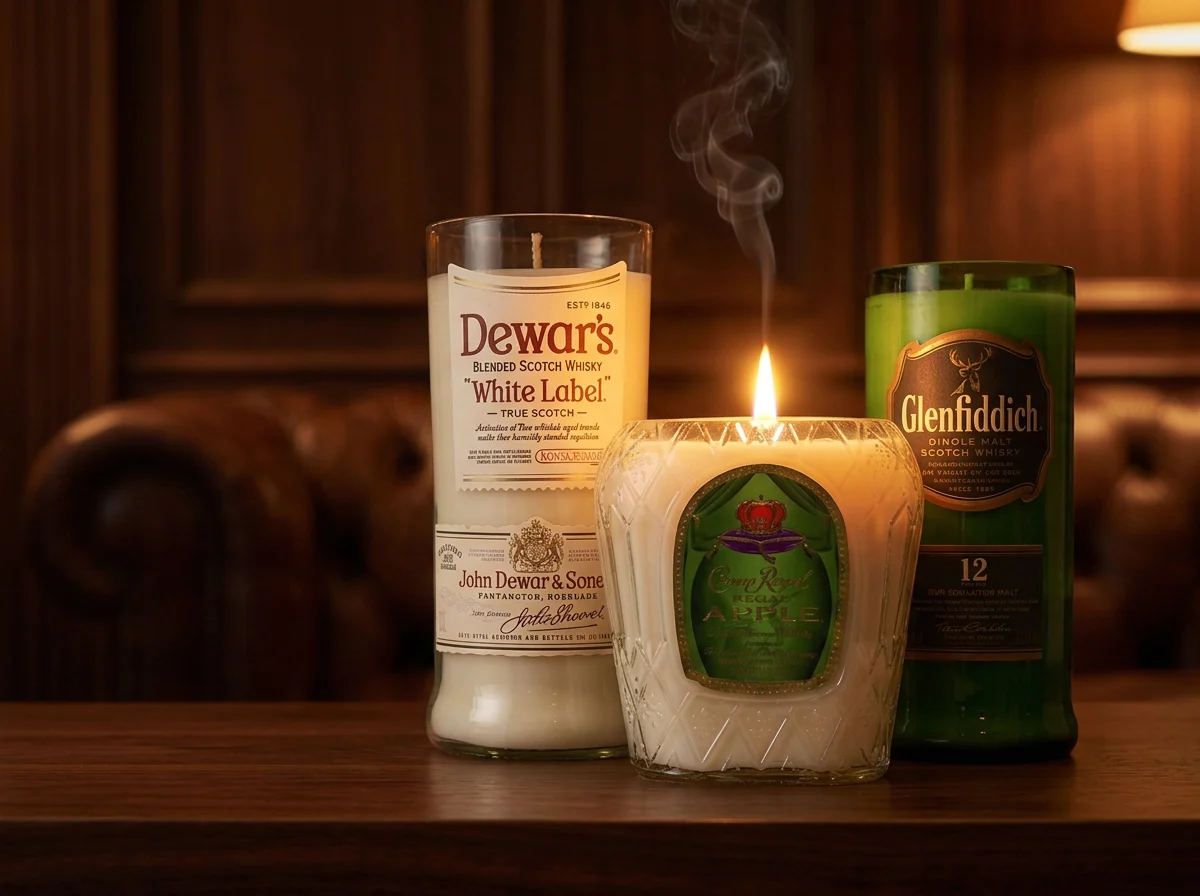
If scrubbing wax out of jars sounds like more effort than you want, our recycled Swedish vodka candle and other recycled-bottle options give you a hand-poured soy candle in a jar that already had a previous life. Our candles use phthalate-free fragrances and lead-free wicks, and every personalized order is hand-proofed before it ships.

- Browse our recycled bottle candle collection for a ready-made low-waste gift.
- Check our personalized candles if you want a custom photo or message on the label.
- For bulk orders or wedding favors, our gifting page covers pricing starting at $18 per candle.
Visit our personalized candles collection to see current options and place an order.
FAQ
What are you supposed to do with old candle jars?
Remove any remaining wax using the freezer or hot-water method, pop out the metal wick tab, and wash the jar. From there, either recycle it through your local glass program or repurpose it for storage, plants, or another candle refill.
Does Yankee Candle recycle candle jars?
There is no publicly listed take-back or recycling program for candle jars from that brand. Check your jar’s material and follow your local municipal glass recycling or drop-off guidance instead.
What is the 0.5 inch rule for candles?
The National Candle Association recommends stopping a container candle once about 0.5 inch of wax remains to protect the vessel from overheating. This also leaves far less wax residue to clean before recycling or reusing the jar.
What to do with empty candle jars from Bath and Body Works?
Check whether the glass is standard or heat-treated, since some specialty jars are excluded from curbside bottle-glass recycling. Once cleaned of wax and the wick tab, a standard glass jar can typically go into curbside recycling or a local glass drop-off, or be reused for storage.
Sources
- National Candle Association — FAQs
- Fairfax County — Glass recycling / Purple can club
- Can You Recycle Used Candle Jars? What UK Councils Actually Say — ilovezero
- Hennepin County — Tips for cleaning and reusing candles