


5 Summer Candle Scent Families for Outdoors, Indoors, and Gifts
Summer candle scents fall into five recognizable families: citrus, tropical, beach or fresh, bright fruit, and light florals. Reach for a citrus blend outdoors, a beach or fresh scent for daytime indoor rooms, and a citrus-tropical hybrid for gifting since it reads as universally likable. The right pick depends less on personal favorites and more on where the candle burns and who’s around to smell it.
TL;DR:
- Summer candle scents should be chosen based on room size and occasion, with citrus and fresh scents ideal for outdoor and small spaces.
- Blending across fragrance families, such as citrus with coconut or neroli with peach, creates more complex and lasting summer aromas.
- High-quality candles specify wax type, fragrance load, burn time, and ingredient safety, with soy or soy-blend wax generally performing better.
- Testing fragrance combinations with scent-dip Q-tips and small burns helps ensure hot throw and scent strength meet expectations before full production.
- Personalized candles with tailored scents and custom labels enhance gifting, making the candle feel intentional and suited to the recipient.
Table of Contents
- Popular Summer Candle Scent Families to Know
- Which Summer Candle Scent Fits Your Space?
- How to Choose a Quality Summer Candle
- Simple Summer Scent Blends Worth Testing
- Why a Personalized Summer Scent Makes a Better Gift
- Get a Summer-Scented Candle That’s Actually Personal
- Sources
- FAQ
Popular Summer Candle Scent Families to Know
Reading a candle label gets a lot easier once you know the five families that dominate warm-weather fragrance lines. Editorial roundups and fragrance experts consistently group summer scents into these categories, and once you recognize them, you can shop by aroma instead of guessing from a product name.
- Citrus: lemon, lime, grapefruit, and bergamot deliver bright, sharp top notes that read as instantly refreshing.
- Tropical: coconut, pineapple, and mango build warm, vacation-like heart and base notes, the kind that smell like a beach bar at 4 p.m.
- Beach and fresh: sea salt, ocean accord, cucumber, and linen create an airy, clean profile with almost no sweetness.
- Bright fruit: watermelon, peach, and strawberry add juicy, candy-adjacent heart notes without tipping into dessert territory.
- Light florals: neroli, orange blossom, and jasmine give an elegant, airy option that works well when a candle is meant as a gift rather than everyday background scent.
Some of the best summer candles blend across these families rather than sticking to one. A beach-themed soy candle might open with citrus or petitgrain, settle into a coconut or cotton blossom middle, and finish on a soft musk or light wood base, a layered structure that keeps the scent from smelling one-dimensional as it burns. That top-middle-base logic is worth remembering, because it explains why some candles smell “flat” after twenty minutes while others keep shifting in a pleasant way.
Which Summer Candle Scent Fits Your Space?
Picking a summer scent isn’t just about what smells good in the store. It’s about matching the fragrance family to the room, the occasion, and how long you’ll actually be breathing it in.
- Outdoor spaces (patios, decks, backyard dinners): citronella or lemongrass blends double as mild insect deterrents, and bright citrus candles hold up well against open air, since a light breeze eats weaker scents alive. Editorial buying guides regularly single these out for outdoor use.
- Indoor daytime rooms: beach or fresh scents, or a cucumber-linen blend, avoid the cloying heaviness that heat can amplify in a closed room.
- Dinner parties: subtle green or herbal notes, or an elegant neroli or peach blend, stay in the background instead of fighting with food aromas at the table.
- Bathrooms and small rooms: sea salt or linen scents give a clean, restrained throw that won’t overwhelm a small, poorly ventilated space, a pairing retail collections lean on heavily for exactly this reason.
- Gifting: citrus-tropical hybrids or linen-floral blends tend to please the widest range of recipients, and burn time plus presentation matter here almost as much as the scent itself.
How to Choose a Quality Summer Candle
Not every candle labeled “summer” performs the way its scent name promises. A few label details and a couple of quick checks separate a candle that fills a room from one that sits there doing nothing.
Start with the wax and fragrance type. Soy or soy-blend wax tends to burn cleaner and cooler than paraffin, and the label should specify whether the scent comes from a fragrance oil or an essential oil. Fragrance load, usually listed as a percentage, tells you how concentrated the scent actually is, and a listed burn time gives you a baseline to judge value against.
Next, know what you’re actually testing for:
- Cold throw is how strong the candle smells unlit, straight out of the box.
- Hot throw is the scent you get after burning, usually 10 to 30 minutes in, and it’s the number that actually matters day to day.
- Cure time refers to the days a candle needs to sit after pouring so the fragrance oil fully binds to the wax; skipping this step is why some new candles smell weaker than expected.
Ingredient safety is worth a quick check, too. Look for candles that use phthalate-free fragrances and lead-free wicks, both increasingly standard among quality makers.
Watch for a few red flags: vague scent descriptions with no listed notes, no burn-time or ingredient information anywhere on the label, visible botanical debris packed into the wax, or an overwhelmingly heavy musk marketed for summer. Heat tends to amplify sweetness, and heavy musk or cloying vanilla-forward scents can trigger headaches or scent fatigue faster in warm rooms than in winter ones.
Pro Tip: Copy this checklist before you shop: wax type, fragrance oil vs. essential oil, fragrance load percentage, cold throw description, hot throw claim, and cure time. If a listing answers fewer than four of those, keep looking.
Simple Summer Scent Blends Worth Testing
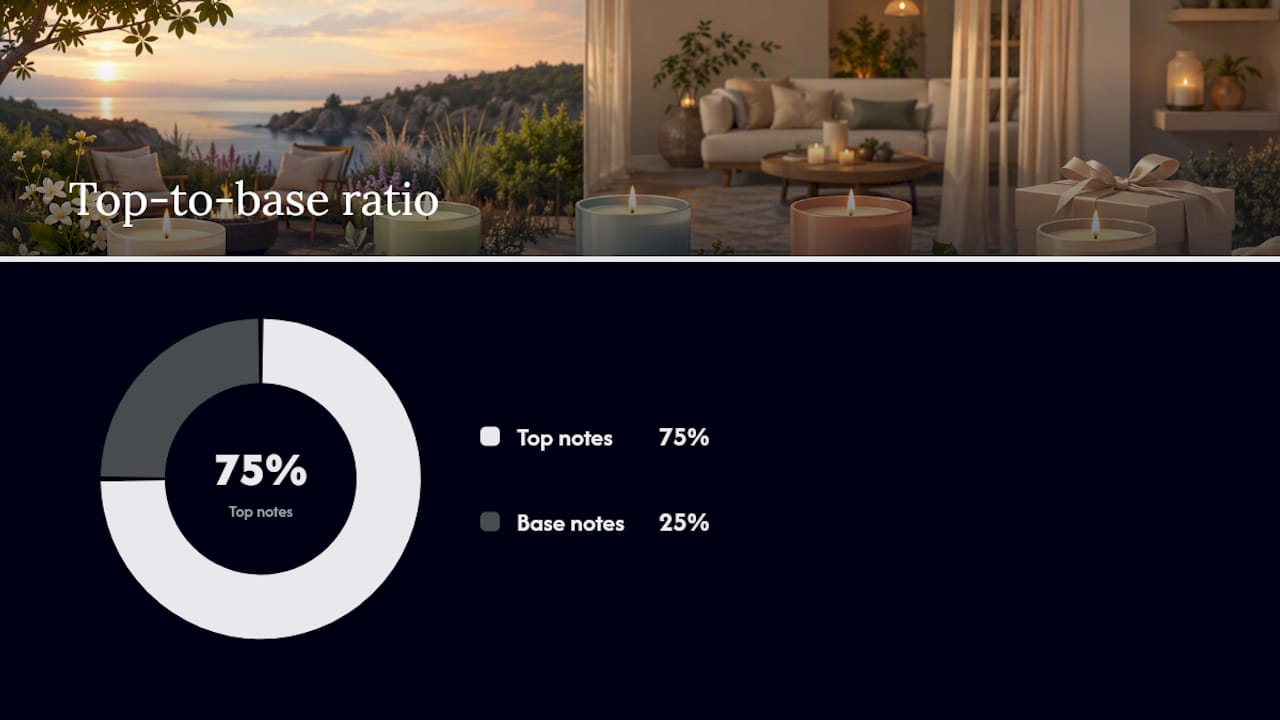
Good pairing follows one rule: a stronger heart or base note anchors a brighter top note, so the scent doesn’t fade into nothing after the first few minutes. Citrus and coconut is the classic summer pairing for a reason, and sea salt with a hint of jasmine gives you something cleaner and less sweet.
Three blends worth trying, using a rough three-to-one top-to-base ratio as a starting point:
- Beachy escape: grapefruit and bergamot on top, coconut and driftwood underneath.
- Cooling fresh: cucumber and mint on top, a thin layer of white musk as the base.
- Elegant gift blend: peach and neroli on top, a soft vanilla-wood base kept minimal so it doesn’t read as heavy.
Candle suppliers recommend testing combinations with Q-tips dipped in each fragrance oil before committing to a full pour, then running a small test burn after a short cure to check how the hot throw actually performs. Fragrance oils, not essential oils, are the better choice for this kind of blending. Suppliers note that fragrance oils are formulated to hold up through melting and burning, while essential oils often break down in hot wax and lose most of their scent within the first burn.
Why a Personalized Summer Scent Makes a Better Gift
A generic vanilla candle says nothing. A citrus-coconut candle with someone’s name on the label conveys thoughtfulness. When combined with careful print quality and quick turnaround times, a summer scent can become something worth keeping on a shelf. If you’re shopping for someone this season, start with the scent family they’d actually burn, then make it theirs.
— Jake
Get a Summer-Scented Candle That’s Actually Personal
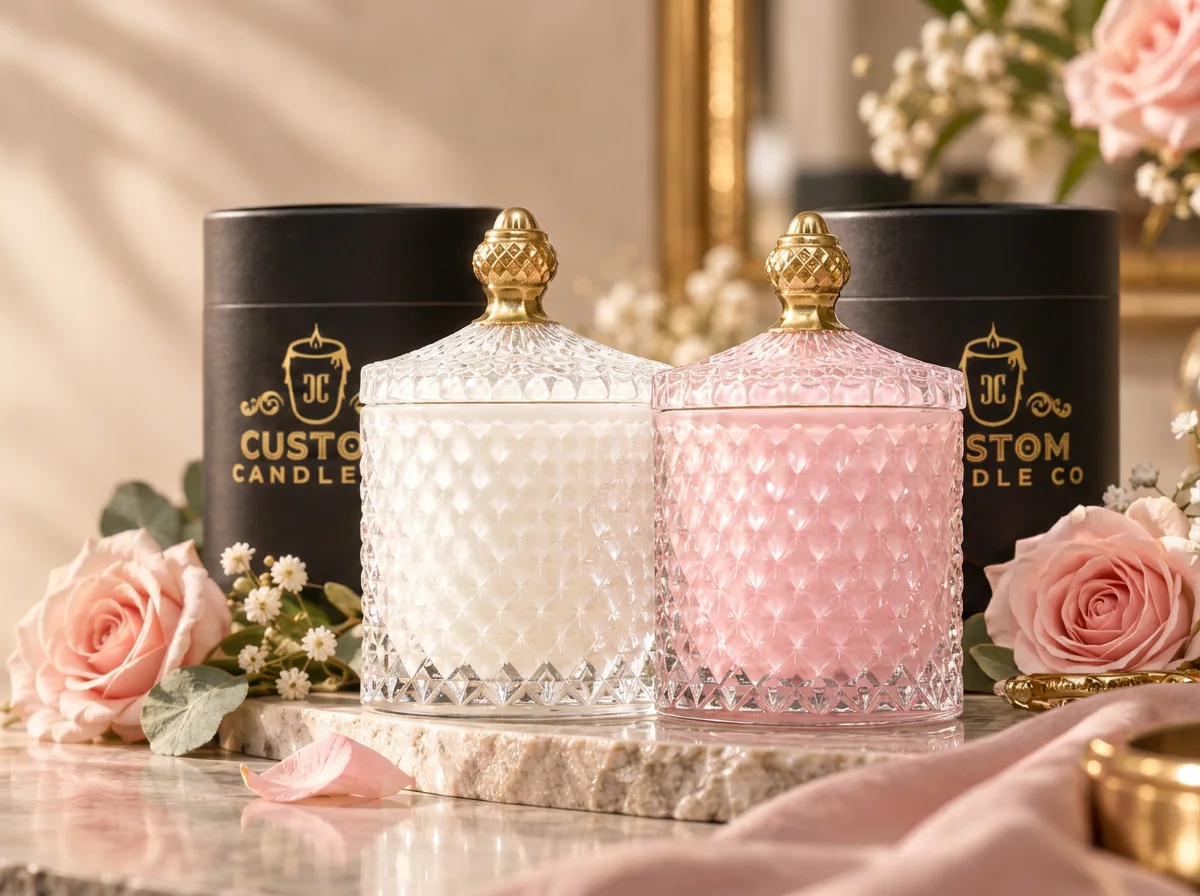
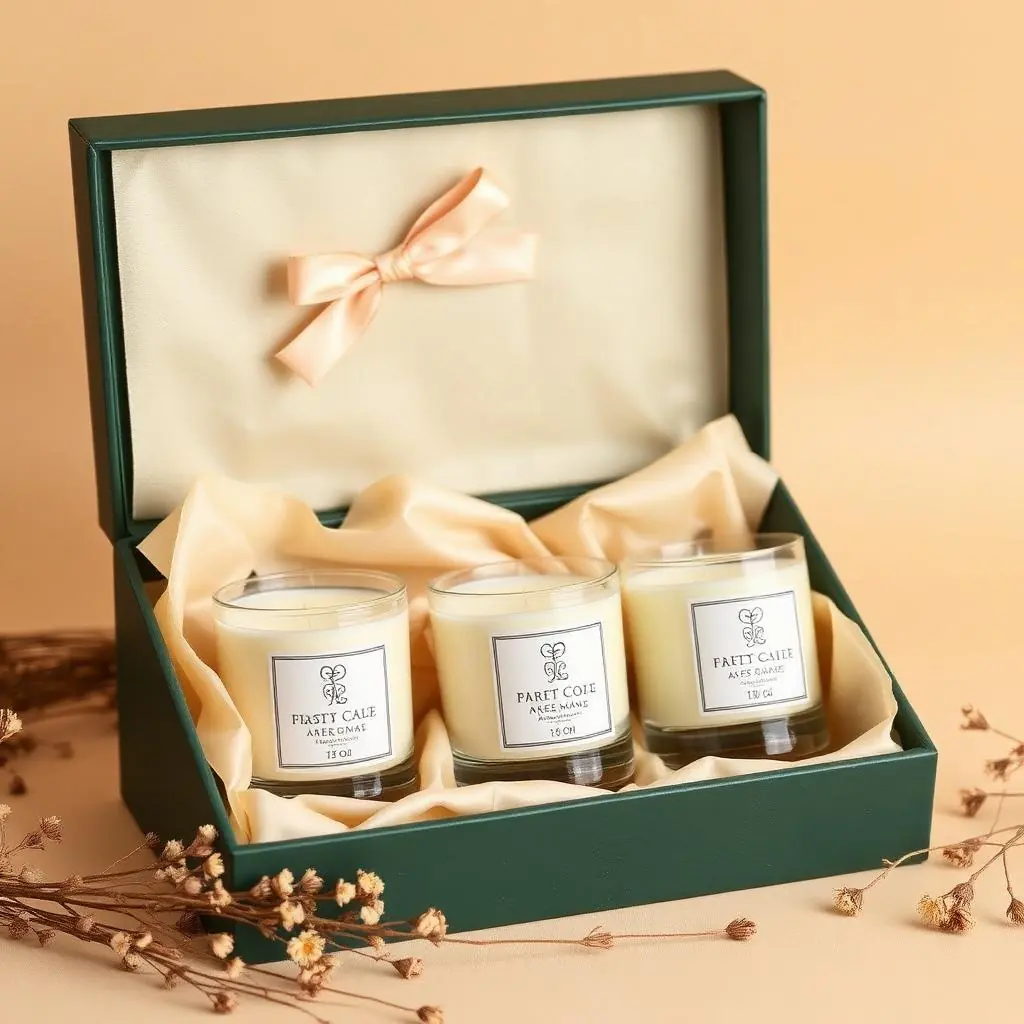
Picking the right scent family only gets you halfway to a great gift. The other half is making it feel like it was made for the person receiving it, not pulled off a shelf. Some companies build on that by letting you add a name, a photo, or a short message to the label of a summer-scented soy candle, hand-proofed before it prints and shipped quickly so a last-minute gift doesn’t turn into a stressful one.

Every candle uses phthalate-free fragrances and lead-free wicks, so pet owners and gift-givers alike can check what’s actually burning in the jar. Browse the summer candle collection for citrus, tropical, and beach-inspired scents ready to personalize, or head to the gifting and bundles page if you want a boxed set with a handwritten card included. Pick a scent, add a name, and check out. It’s ready to ship in two days.
Sources
- 12 Summer Candles That Smell Like a Luxury Beachside Resort | Who What Wear
- Summer fragrance recipes for candles | Lone Star Candle Supply
- Summer fragrance oils, find the perfect summer scent! | CandleScience
- Summer candle scents & fragrances | The Flaming Candle
FAQ
What scent is best for summer?
Citrus and beach or fresh blends tend to work best in summer because they read as bright and cooling rather than heavy. For outdoor spaces, citronella and lemongrass blends are the top pick since they double as a mild insect deterrent.
What scent represents summer?
Coconut, citrus, and sea salt are the three notes most associated with the season, largely because they mirror beach vacations and warm-weather memories. Tropical fruit notes like pineapple and mango come in close behind as vacation-coded scents.
What fragrance oil is good for summer candles?
Fragrance oils formulated specifically for candles outperform essential oils in summer scents because they hold up through melting and burning without breaking down. Look for oils labeled coconut, citrus, sea salt, or tropical fruit blends, and always check the recommended fragrance load on the label.
What are summer fragrance oils for candles used for?
They’re used to build the citrus, tropical, beach, bright fruit, and light floral profiles that define seasonal candles, layered in top, middle, and base notes for balance. Custom Candle Co.'s personalized candles use phthalate-free versions of these fragrance oils, paired with lead-free wicks, across its seasonal scent options.