









Apartment Candle Rules: Lease, Fire Code and Dorm Policies

Whether you can burn a candle in your apartment comes down to two documents: your lease and your local fire code. Dorms are stricter: most U.S. universities ban lit candles outright, and many ban wicks even when unlit. Read the rules before you buy, and if your building says no flame, choose a flameless way to enjoy a personalized candle gift, such as a keepsake you display or a wax melt used with an approved warmer.
TL;DR
- Apartments: the lease decides first. Look for “open flame” language in the rules section or an addendum, and ask the landlord in writing if it is unclear.
- Dorms: expect a ban. Nebraska, Texas A&M, Brown, Brandeis, Gardner-Webb and UNF all restrict candles, and several also restrict wicks and incense.
- Where candles are allowed, follow the NFPA basics: 12 inches from anything that can burn, and out before you leave the room or go to sleep.
- Flameless options exist, but warmers and diffusers are often regulated too, so check the housing list before you plug anything in.
- A candle you are not allowed to light still works as a gift or display piece.
Table of Contents
- The two documents that decide: your lease and the fire code
- What a lease clause actually looks like
- How to ask your landlord (and get it in writing)
- Dorm candle rules: what universities actually say
- If your building says no flame: flameless options
- Burning candles safely where they are allowed
- Incense and religious candles
- Weddings, favors and gifts: planning around the rules
- Personalized candles for rule-bound spaces
- Our view: a candle is more than a flame
- FAQ
- Sources
The two documents that decide: your lease and the fire code
There is no single national rule for apartment candles. Two layers apply, and you have to clear both.
Layer one is your lease. A landlord can write a ban into the lease or into the building’s rules and regulations, and many do. The ban can be explicit (“no candles or incense”) or general (“no open flames”). Even a lease that never mentions candles may include a broad fire-hazard clause that a landlord could point to. The point is that a silent lease is not the same as permission.
Layer two is your local fire code. Fire codes are set by cities and counties, usually based on model codes. The International Fire Code, for instance, is aimed mainly at open-flame cooking devices on combustible balconies and close to combustible construction, rather than a blanket ban on candles inside each apartment. Local amendments differ, and some cities have their own rules for multi-family buildings. Your city or county fire department’s website is the place to check.
So the practical order is: lease first, building addendums second, fire department third. If any of the three says no, the answer is no.

What a lease clause actually looks like
It helps to see real wording. One property manager’s 2026 Rules and Conduct Addendum says tenants may not use or store prohibited open flames, fireworks or combustible materials, may not tamper with smoke or carbon monoxide detectors, and may not block exits. It also treats safety violations as a possible material breach of the lease, with written notices, a chance to cure and charges under the fee schedule.
Notice what that wording does and does not say. It never uses the word “candle,” yet a landlord could reasonably read “open flames” to cover one. That is why the safest habit is to search your lease for these phrases:
- “open flame” or “open flames”
- “candle,” “incense” or “burning”
- “fire hazard” or “hazardous conditions”
- “balcony,” “patio” or “grill” (for outdoor rules)
- “addendum” or “community rules” (the place where building-specific rules hide)
Condo and co-op buildings add one more layer. A board can adopt rules on top of the lease or deed. The New York Times reported on a Manhattan condo board that added candles and incense to its no-smoking policy to cut odors and fire risk, with fines starting at $100. If you rent from an owner in a condo, ask for the building’s house rules as well as your lease.
How to ask your landlord (and get it in writing)
If the lease is unclear, do not guess. A short message takes five minutes and gives you a record.
- Write, do not call. Email or use the tenant portal. A verbal yes is hard to prove later.
- Be specific. Name what you want to use: “jar candles with a lid, burned on a ceramic tray on my kitchen counter while I am home.” Specific requests get specific answers.
- Ask about the related items too. Candles, incense, wax warmers and plug-in diffusers are often covered by different sentences.
- Save the reply. Screenshot it or file the email with your lease.
- Follow any conditions. Some buildings allow candles only in enclosed holders or only while you are in the room. Treat those conditions as part of your lease.
A sample you can adapt: “Hi, I read the rules section of my lease and want to confirm whether lit candles are permitted in my unit. I would burn one at a time, in a container, only while I am home and awake. Could you confirm in writing whether that is allowed, and whether wax warmers are treated differently?”
A useful side effect of asking: a yes in writing protects you if a neighbor complains or a maintenance visit finds a candle on a shelf.
Dorm candle rules: what universities actually say
Dorm policies are much more consistent than apartment leases, and they are consistently restrictive. Fire codes and insurance requirements push residence halls toward a simple rule: no flame. But the details vary in ways that matter, especially around wicks, wax and warmers.
| School | Lit candles | Unlit or wickless | Wax warmers |
|---|---|---|---|
| University of Nebraska-Lincoln | Candles with wicks and incense prohibited | Wickless candles allowed | Allowed if enclosed heating element with automatic shut-off, only while you are present |
| Texas A&M | Candles, incense, oil lamps and potpourri pots prohibited | Not addressed in the policy summary | Ceramic warmers only, bulb of 25 watts or less, wax made for warmers, never left unattended |
| Brandeis | Candles and incense prohibited, except registered religious candles | Decorative or scented candles allowed only with wicks removed | Not addressed in the list |
| Brown | All candles, even birthday candles, prohibited | Not addressed | Not addressed |
| Gardner-Webb | Open flame of any kind prohibited | Not addressed | Not addressed |
| UNF | Candles with or without a wick prohibited | Not allowed in rooms, storage or decoration | Only bulb-heated warmers, unplugged when you are out |
Three patterns stand out.
Wicks are the line. At Nebraska and Brandeis, a decorative candle without a wick can be fine. At UNF, even an unlit candle is banned from the room, including as decoration. So “I will never light it” is not a defense everywhere.
Penalties are real. Brown says candles are prohibited under Rhode Island fire safety regulations and lists confiscation plus a $100 fine per candle. Holiday decorations there also cannot include candles or open flames.
University apartments follow dorm rules. Texas A&M applies its candle rules to University Apartments as well as residence halls. If you live in campus-owned apartments, read the residence life policy, not just your lease.
The policy that matters is your own school’s, and it can change each academic year. The UNF handbook cited above is for 2026-2027, and Nebraska’s page was updated in October 2026. Before move-in, open your housing office’s prohibited-items page and search it for “candle,” “wax,” “incense” and “warmer.” If the page is silent, email housing and keep the answer.
If your building says no flame: flameless options
People who love candles are usually after one of three things: scent, glow, or a personal touch in the room. You can keep most of that without a flame, if you choose products your housing allows.
- Wax melts with an approved warmer. Melts bring scent without a wick. Our hand-sculpted wax melt bouquets are made for this. Some housing offices allow electric warmers under conditions, as the Nebraska and Texas A&M rules above show: enclosed element or low-wattage bulb, never unattended. Others do not, so check first.
- Reed diffusers and sachets. No flame and no power. These are usually the easiest to get approved.
- LED candles with timers. They give the glow, though not the scent.
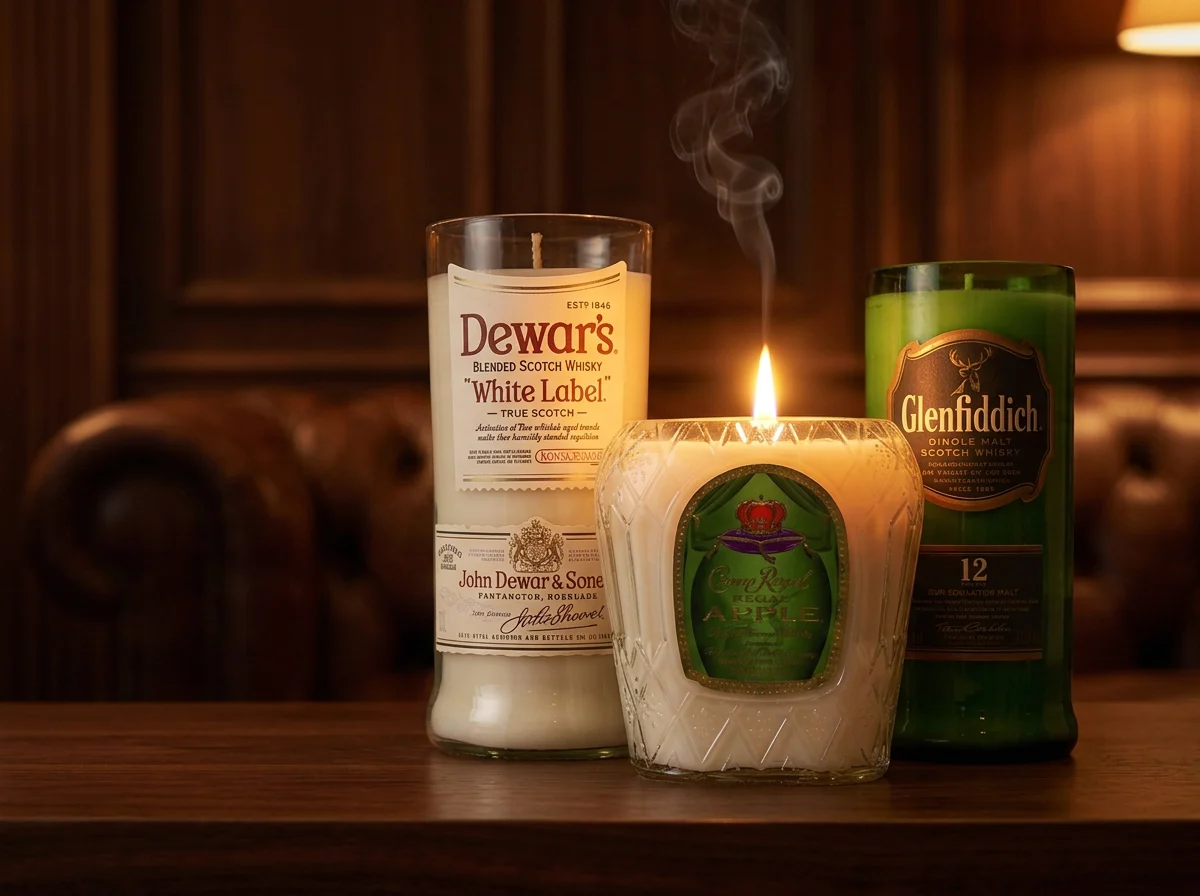
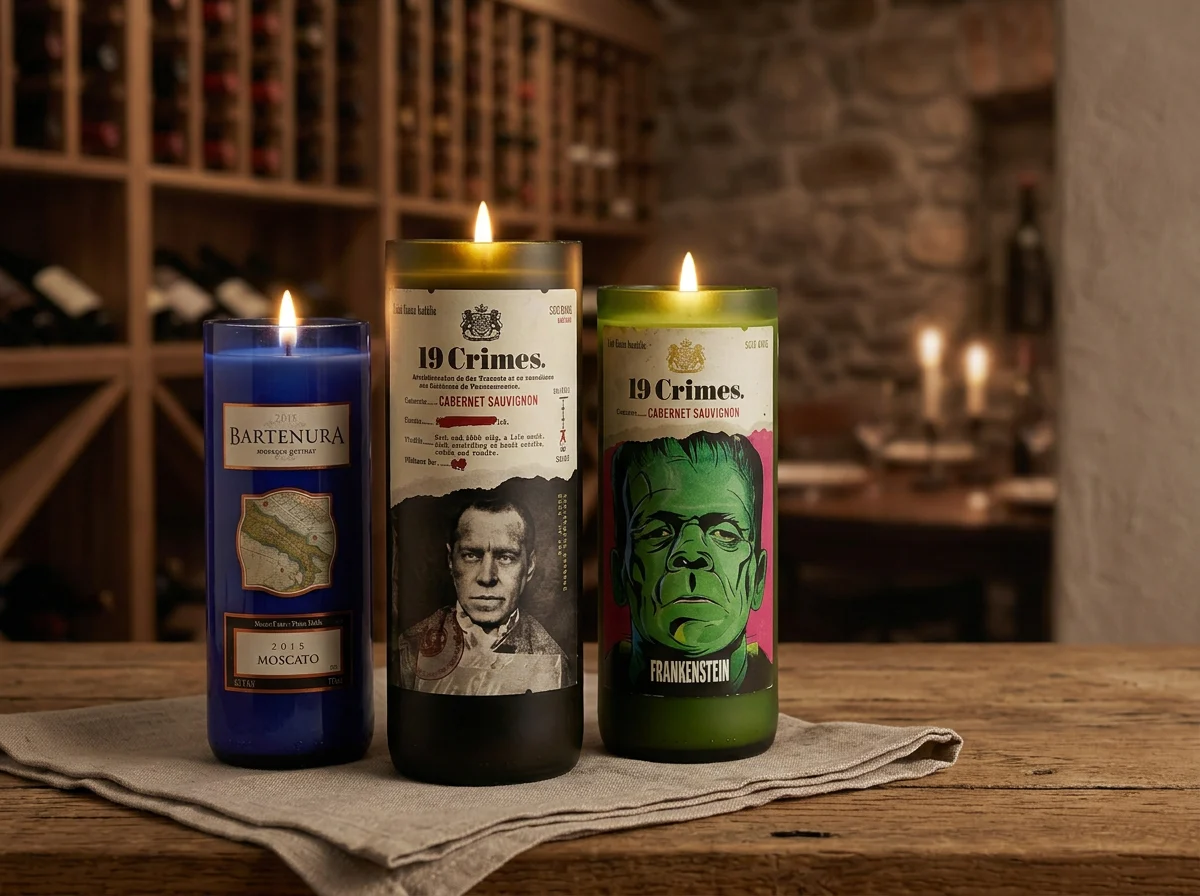
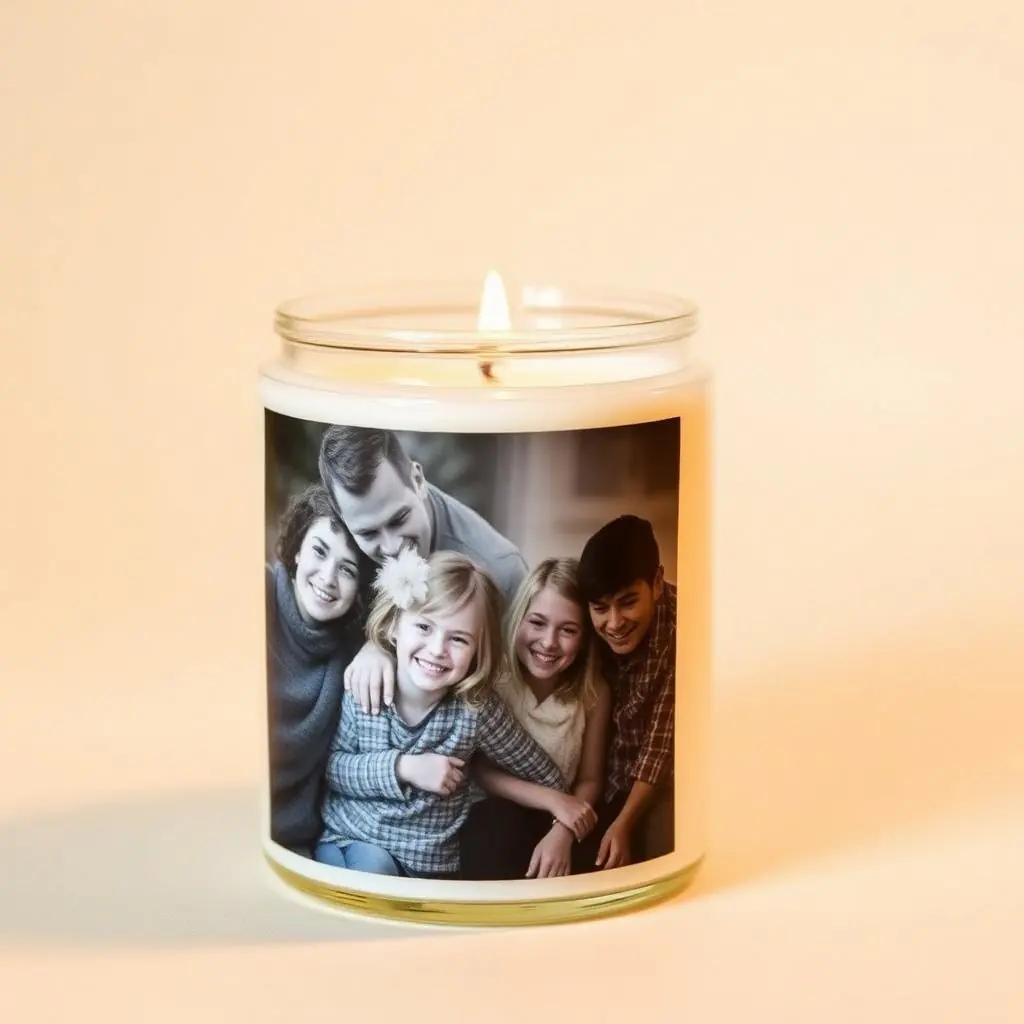
- Display-only keepsakes. Where the rules permit an unlit candle in the room (many apartments do, many dorms do not), a personalized candle works as a photo gift or shelf piece. In a dorm, check the wick rule before you bring one in.
A caution on electric options: they have their own rules. Plug in only what your housing list approves, put it on a stable heat-resistant surface, unplug it when you leave, and do not chain power strips together.
Burning candles safely where they are allowed
If your lease or building says yes, the rules of the lease are only the start. The numbers behind them are why landlords care. According to the NFPA, U.S. fire departments responded to an estimated average of 5,894 home fires per year started by candles between 2020 and 2024. Those fires caused an average of 63 civilian deaths, 532 injuries and $286 million in property damage each year. Over half started when something flammable was too close, and 36% started in the bedroom.
The NFPA advice is short and worth following exactly:
- Keep candles at least 12 inches from anything that can burn: curtains, bedding, paper, decorations.
- Blow out every candle before you leave the room or go to sleep.
- Use a sturdy holder on a heat-resistant surface.
Fire services add a few more habits. Scottish Fire and Rescue Service advises trimming the wick to 1/4 inch, never placing candles under shelves, keeping them out of reach of children and pets, not burning one after drinking alcohol, and not burning it all the way to the bottom of the container.
Small apartments make the 12-inch rule harder than it sounds. Shelves sit close to walls, and the space above a counter is often a cabinet. Before you light anything, look straight up and to the sides. Wall art is a common hazard, so if you are rearranging for safety, these ideas on renter-friendly art placement help you keep frames out of the flame zone without drilling holes.
So can you leave the house with a candle burning? No. Put it out every time, even for a quick errand.
For pet owners, the same placement rules matter more: a candle on a low table is within a tail’s reach. Our candle care guide covers burning habits, and our note on lead-free wicks explains what to look for on the wick itself. Our candles use phthalate-free fragrances and lead-free wicks.
Size matters in a small space too. A smaller candle burns a shorter session and is easier to finish in one sitting while you are home; the candle size guide shows burn times by size.
Incense and religious candles
Incense is usually treated like a candle. Many “no open flame” clauses name candles, incense and anything else with a live flame, so a lease that bans one probably bans the other. Dorms follow the same pattern: Nebraska, Texas A&M, Brandeis and Brown all list incense next to candles.
Religious candles are a narrower question. Brandeis, for example, makes an exception for registered religious candles. If your faith practice involves a flame, ask housing or your landlord in writing about an accommodation before you bring anything in, rather than assuming the general ban has an exception.
Weddings, favors and gifts: planning around the rules
The same rules reach event planning. A couple hosting a wedding in a rented apartment or a venue with a no-flame policy cannot count on lit candle favors, and a guest living in a dorm or apartment may not be able to light one at home. That is a reason to treat the candle as a keepsake first: a label with the couple’s names, a date or a photo gives it value on the shelf before it ever burns.
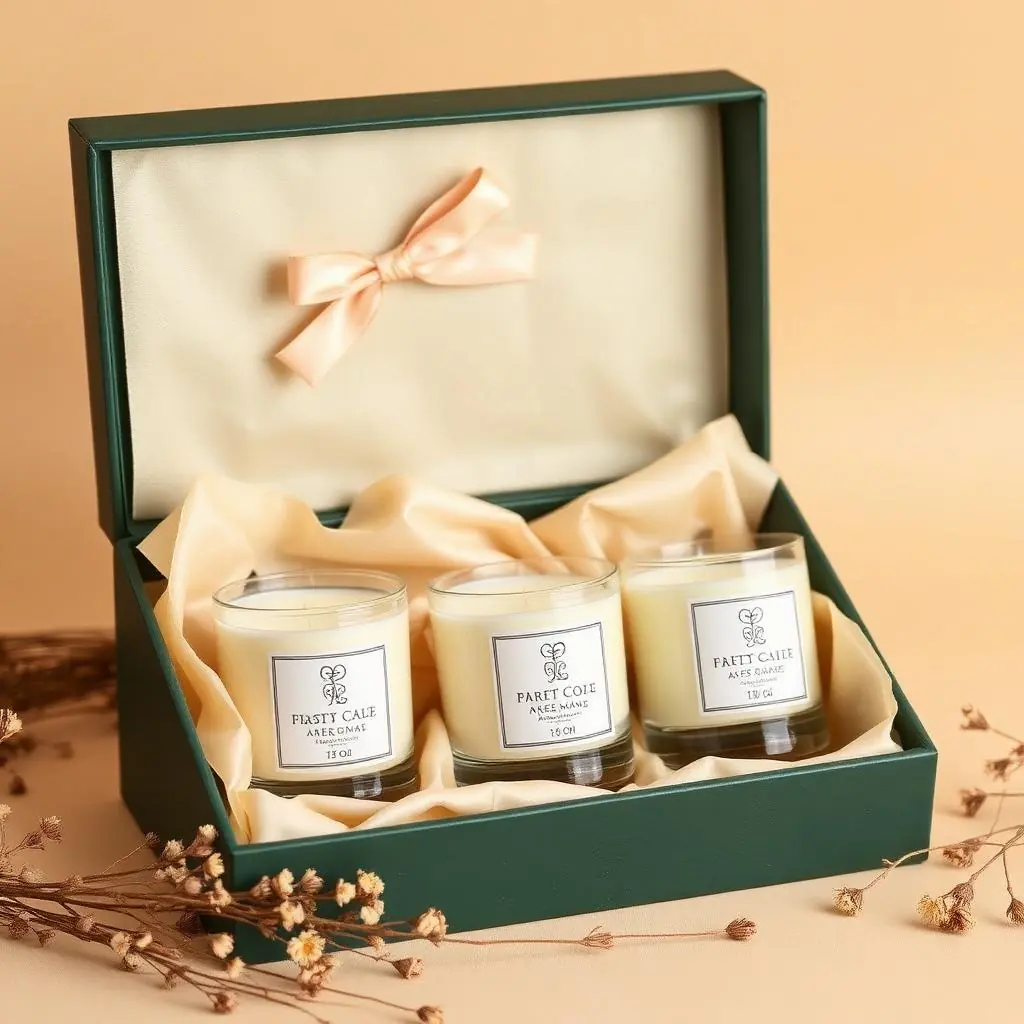
Our weddings and favours options start from $18 per candle, and corporate and client gifting starts from $22 per candle. Boxed gift sets start from $48. All orders get keepsake packaging and handwritten gift cards as standard.
Personalized candles for rule-bound spaces
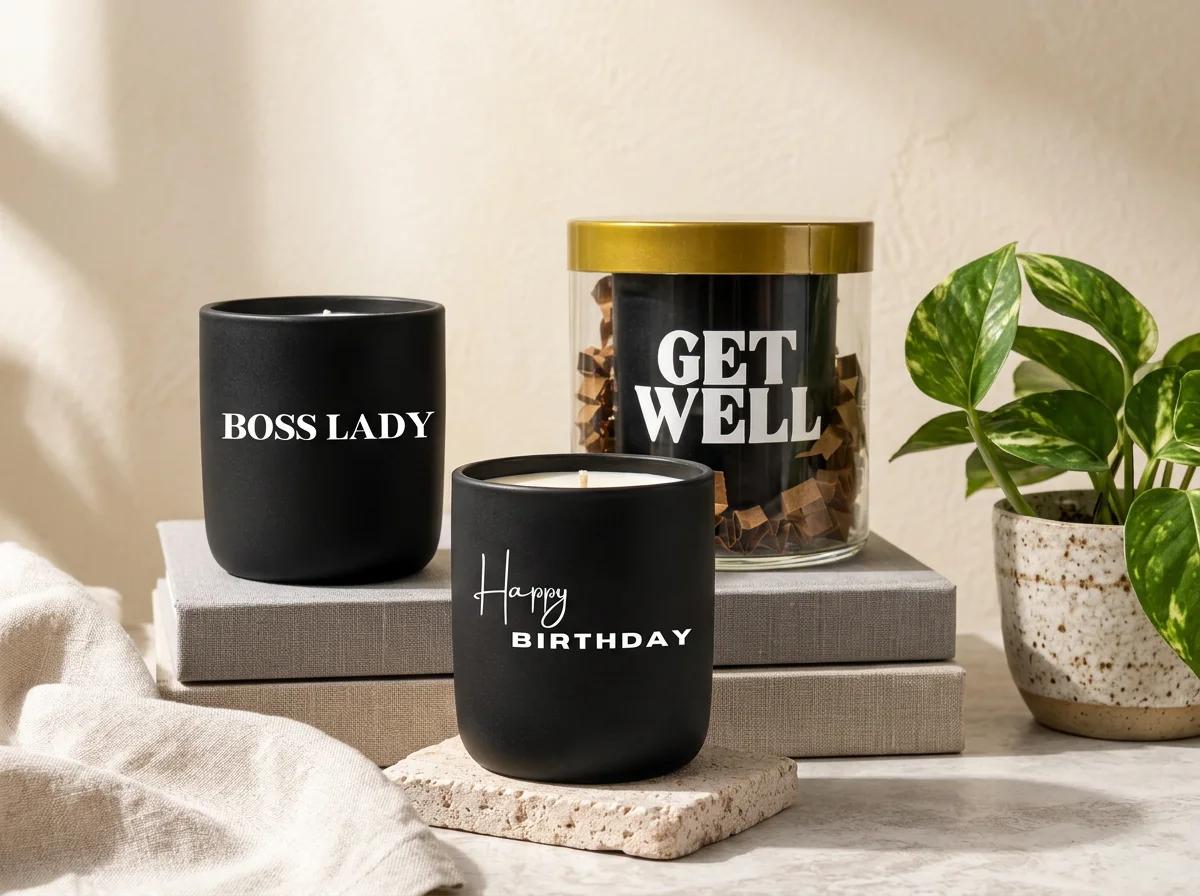
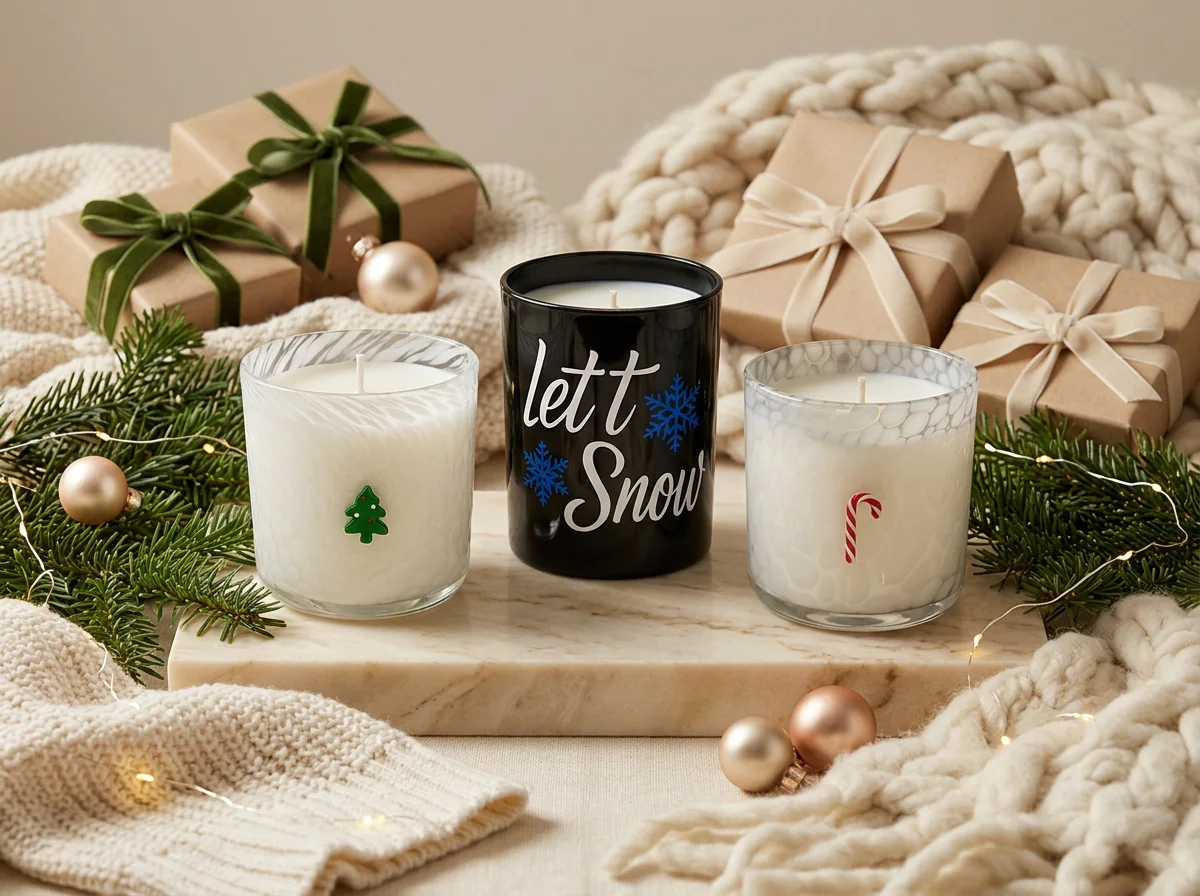
If you are choosing a gift for someone in an apartment or dorm, think about where it will live. Our personalized candles and custom candles carry your photos and words on the label. Each order is proofed by hand for print and presentation quality, and personalized orders ship within two days. The person who receives it can display it or burn it where the rules allow, and for rooms that ban wicks, a wax melt bouquet is a flame-free way to give scent.
Browse the full range on Custom Candle Co., or go straight to gift sets if you are buying for several people.

Our view: a candle is more than a flame
Housing rules are about fire risk, and they are reasonable. What they do not touch is why people buy a personalized candle in the first place: a photo, a name, a line of text that means something to one person.
We proof every label by hand before a candle ships, and we pour with phthalate-free fragrances and lead-free wicks, because a candle lives in someone’s home, near their pets and their family. When a lease says no flame, the gift is still the label and the care behind it.
Our advice to anyone buying a candle for a renter or student: ask first, in writing. If the answer is yes, follow the 12-inch rule and blow it out every time you leave. If the answer is no, give the keepsake, or pick a wax melt for a warmer the housing allows.
Jake
FAQ
Are candles allowed in apartments?
It depends on your lease and local fire code. Many leases ban open flames outright, others allow candles under conditions such as enclosed holders, and a lease that does not mention candles can still include a general fire-hazard clause. Check the rules section and any addenda, then ask your landlord in writing.
Are candles allowed in dorms?
Usually not. Policies at Nebraska, Texas A&M, Brandeis, Brown, Gardner-Webb and UNF all restrict candles, and some ban wicks even when unlit. Wickless decorative candles are allowed at a few schools, so check your own housing policy.
What are dorm-friendly fragrances?
Flameless choices such as reed diffusers, sachets and, where the housing office permits them, electric wax warmers with wax melts. Some schools set conditions on warmers, such as an enclosed element, a low-wattage bulb or supervised use only. Look at your school’s prohibited-items list before buying.
Can I burn incense in an apartment?
Often no. Incense is commonly covered by the same “no open flames” language as candles, and many buildings and dorms name it directly. Ask in writing before you light any.
Can I leave the house with a candle burning?
No. The NFPA recommends blowing out every candle before you leave the room or go to sleep, and a candle left alone is one of the main ways candle fires start.
Sources
- Rules and Conduct Addendum, Yohn Properties
- Can My Building Ban Incense Even if It’s a Religious Practice? The New York Times
- Candles, University of Nebraska-Lincoln Housing
- Candles and Wax Warmers, Texas A&M Residence Life
- Permitted and Prohibited Items, Brandeis University
- Restricted Items, Brown University Residential Life
- Housing FAQs, Gardner-Webb University
- 2026-2027 Resident Handbook, UNF Housing and Residence Life
- Safety with candles, NFPA
- Candle safety, Scottish Fire and Rescue Service
- Renter-friendly art placement